The Seller & Partners

Real Estate Regional Hubs – photo 3

Despite falling tourist number in 2025, the hotel development pipeline remains robust

Despite falling tourist number in 2025, the hotel development pipeline remains robust 1620 1080 ROMANIA PROPERTY CLUB
Real Estate Regional Hubs – photo 3

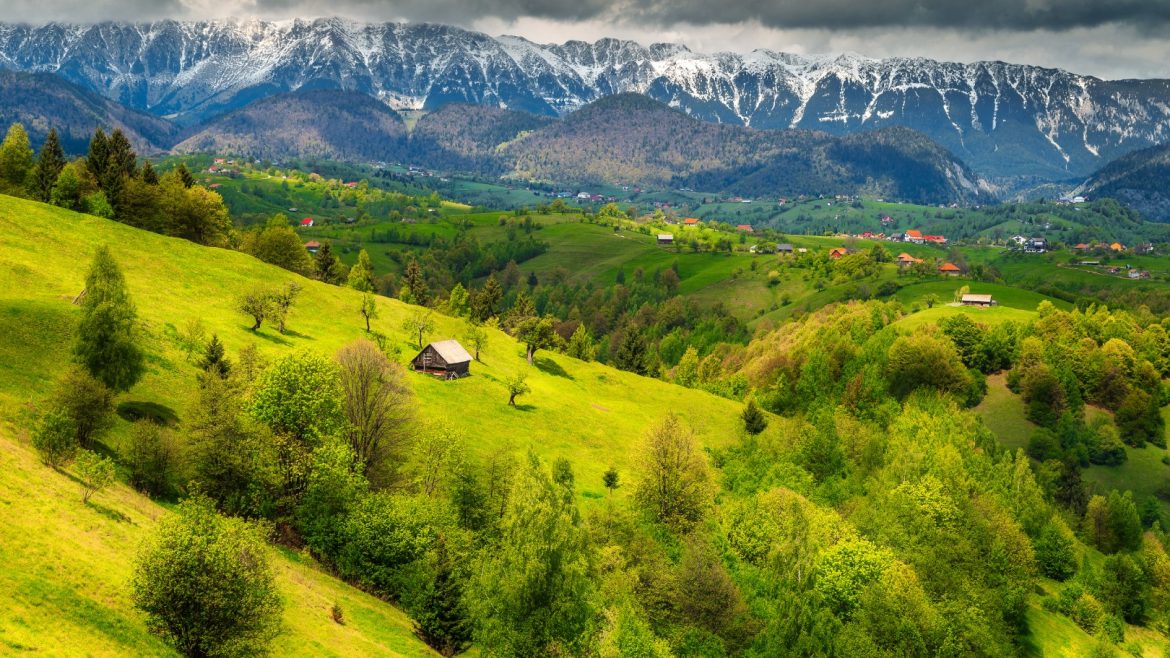
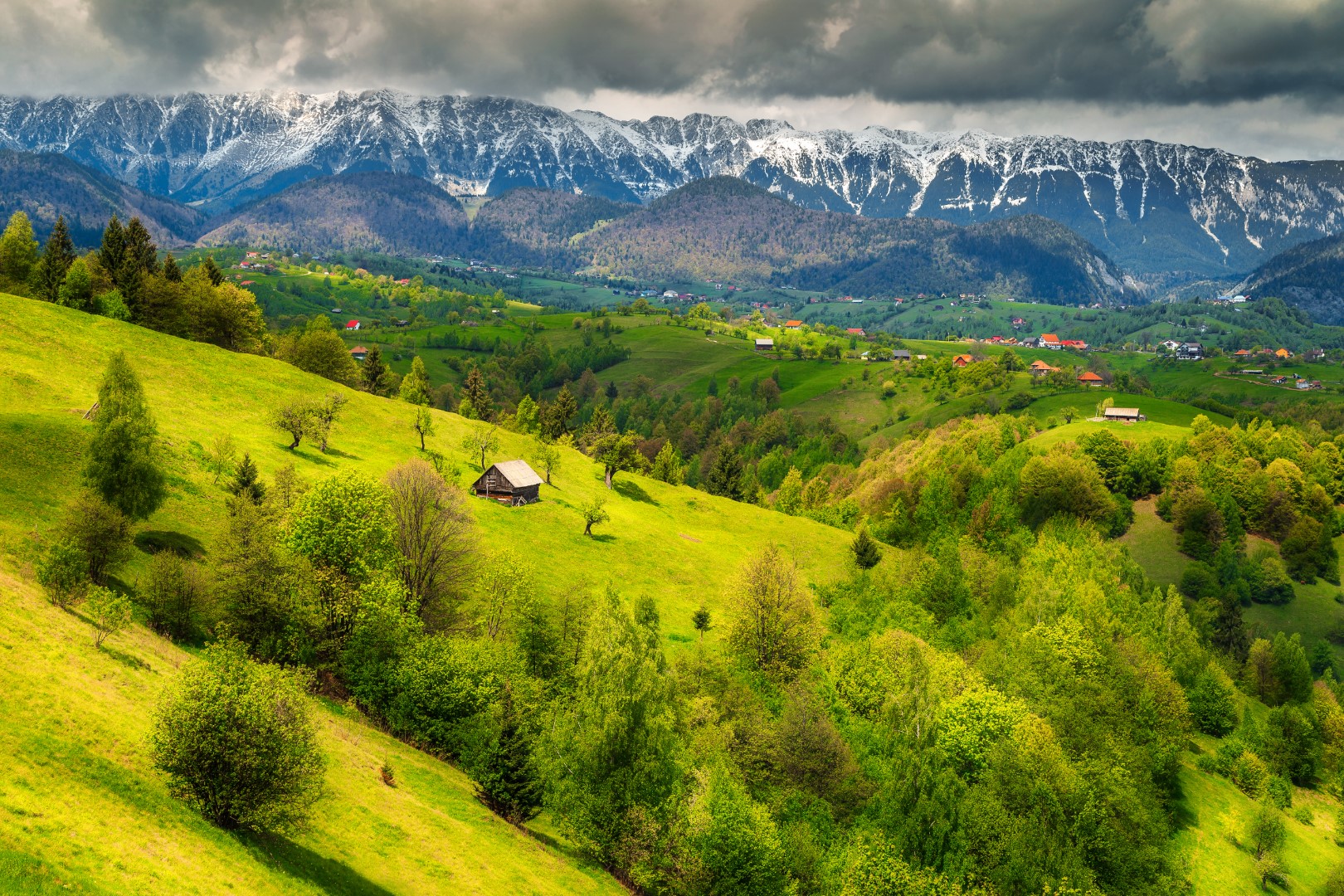
Brașov is increasingly positioning itself as a major hub of attraction, driven by its unique blend of economic development, tourism opportunities, and high quality of life. The destination benefits from upgraded infrastructure, easy access to major cities, and a landscape that harmoniously blends history with natural beauty. Beyond ranking among the top three national destinations, Brașov has been a constant fixture in major international travel guides over recent years.

  • National Geographic – “Best of the World 2025”: Brașov was included in this exclusive list of the 25 must-visit destinations for 2025. The publication described it as the “gateway to Transylvania,” praising its mix of medieval history, ancient forests, and the accessibility provided by the new international airport.

  • CNN Travel – Top Destinations for 2025: CNN included Romania in its recommended travel list for 2025, calling Brașov a central pillar of the “Transylvanian experience.” American journalists presented it as an authentic and less crowded alternative to Western Europe’s classic destinations.

Accommodation Capacity on the Rise

Currently, hotel capacity within the municipality of Brașov recorded a 4.7% increase in 2025 compared to 2024, expanding from 47 hotels (2,427 rooms) to 50 hotels (2,542 rooms). The most substantial growth in 2025 versus 2024—a striking 21.4%—was reported in the short-term rental apartments and units category, which surged from 2,081 units in 2024 to 2,527 units in 2025. This data is based on figures from the Ministry of Economy, Digitalization, Entrepreneurship & Tourism, analyzed by Est Hospitality.

HOTEL CAPACITY IN THE CITY OF BRAȘOV

Accommodation Type 2024 2025 2025 vs 2024 (%)

1-5 Star Hotel Rooms

2,427

2,542

4.70%

Short-Term Rental Apartments

2,081

2,527

21.40%

A Temporary Cooldown in Tourist Traffic

When it comes to tourist numbers, the 2025 figures indicate a decline compared to both the previous year and the pre-pandemic benchmark. In 2025, the county ranked 3rd nationally, attracting nearly 1.39 million visitors and registering 2.62 million overnight stays. A solid performance in the first half of the year was followed by a slight deceleration in the second semester—a trend observed across the entire mountain region.

In 2025, tourist arrivals and overnight stays remained below 2019 levels and lower than in 2024. Compared to 2024, the hotel market experienced a contraction of approximately 4%. Conversely, arrivals and overnight stays in short-term rental apartments remained relatively stable in 2025 compared to 2024.

TOURISM IN THE CITY OF BRAȘOV

Metric 2019 2024 2025 2025 vs 2019 2025 vs 2024

Hotel Arrivals

517,641

489,529

470,637

-9.10%

-3.90%

Rental Apartment Arrivals

N/A

116,794

114,954

—

-1.60%

Hotel Overnight Stays

1,002,192

900,733

868,730

—

-3.60%

Rental Apartment Overnight Stays

N/A

211,790

215,011

Source: Est Hospitality based on NIS (National Institute of Statistics) data

International Brands Bet Heavily on the Pipeline

Interest from international hotel chains remains exceptionally high. The most anticipated entries are in the ultra-luxury 5-star segment: Hyatt (rebranding the former ARO Palace) and Kempinski, which is debuting with a brand-new development in Poiana Brașov.

HOTEL DEVELOPMENT PIPELINE (2026-2028)

Property Rating Keys / Rooms Operator Estimated Opening

Hilton Garden Inn

4*

130

Hilton

2026

Radisson Blu Grand Mountain Resort Cristian

5*

46 villas & 20 rooms

Radisson

2026

Ibis Styles

3*

126

Accor

2027

Mercure Brașov Center

4*

180

Accor

2027

Hyatt Regency

5*

189

Hyatt

2028

Kempinski Poiana Brașov

5*

120

Kempinski

2028

TOTAL

811

Source: Est Hospitality

Industry Insight

“This year will mark the opening of the 4-star Hilton Garden Inn, which represents only the third hotel affiliated with an international chain in the city. Brașov will also welcome its first internationally branded 3-star hotel in 2027. Concurrently, in 2026, the number of short-term rental apartments is projected to surpass Brașov’s total hotel capacity.”

— Mircea Drăghici, Managing Partner, Est Hospitality
Brașov consolidates its status as Romania’s central industrial hub

Brașov consolidates its status as Romania’s central industrial hub

Brașov consolidates its status as Romania’s central industrial hub 2560 1708 ROMANIA PROPERTY CLUB
Brașov consolidates its status as Romania’s central industrial hub

As a region traditionally renowned for its industrial heritage, Brașov ranks as Romania’s fourth-largest industrial hub—following Bucharest, Timișoara, and Ploiești—boasting a total stock of approximately 480,000 square meters. Positioned at the geographical heart of the country, it represents a core area of strategic interest.

According to data from iO Partners, prime Class A industrial and logistics rents in Brașov oscillate between €4.1 and €4.5 per sqm per month, fluctuating based on unit size and lease terms. The profile of major industrial tenants locally mirrors the region’s manufacturing DNA. Consequently, the automotive industry (auto parts) generates roughly 50% of multi-annual demand, followed by light manufacturing (22%), the logistics sector (15%), and retail & FMCG (6%).

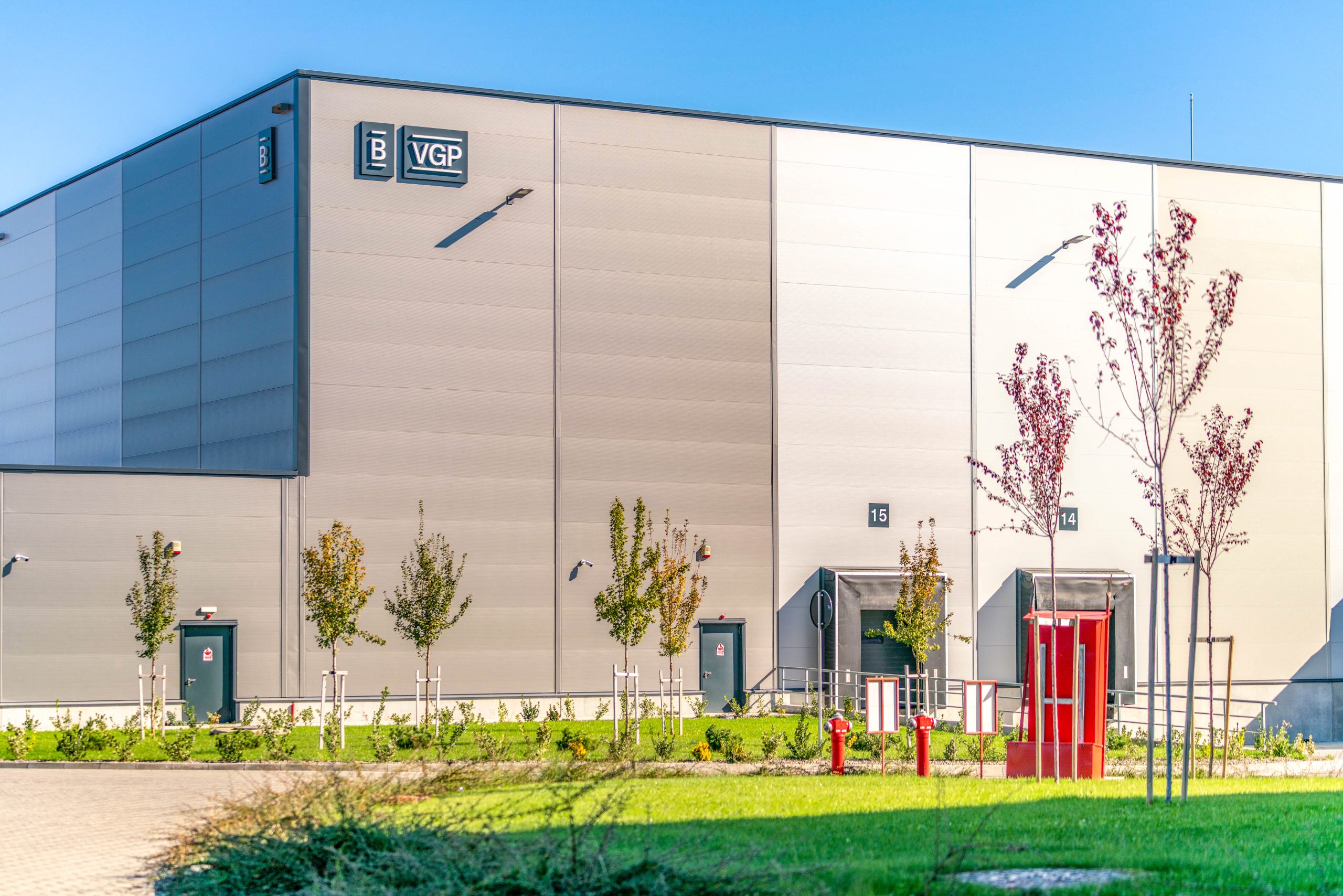
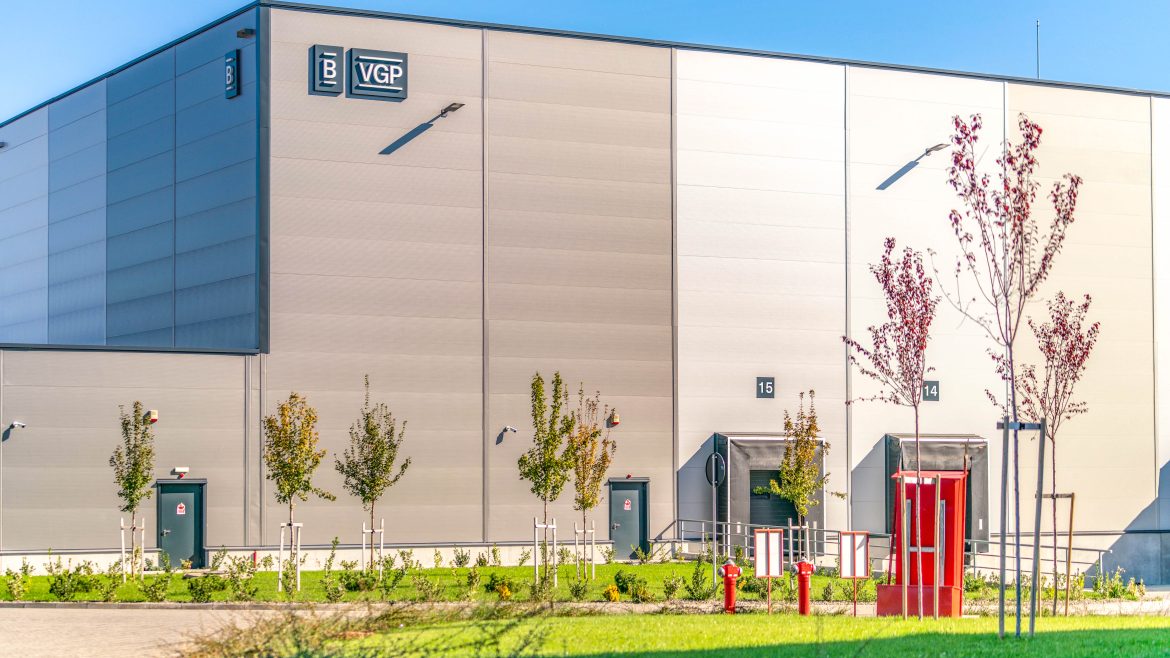
Major institutional investors maintain a strong local footprint and continue to expand. VGP currently has a new 35,000 sqm warehouse under construction. Concurrently, CTP is developing two industrial parks in the region: CTPark Brașov and CTPark Brașov West. Furthermore, M Core is set to launch its first-ever industrial project in Romania here—a 16,000 sqm development. This will be an in-city logistics project, meticulously partitioned into small-business modules.

According to analysts at The Seller & Partners, Brașov is undergoing a phase of organic expansion. This trajectory is fueled by major international players, a nationwide repositioning of the workforce, and forward-thinking urban planning that balances production areas with residential growth.

Investor appetite for industrial land remains high, with a clear focus on the North-West axis. While the strategic triangle formed by Cristian, Râșnov, and Ghimbav continues to attract the bulk of capital placement, development pressure is visibly shifting toward the wider metropolitan area. In 2026, attention is strategically turning toward Codlea. Its geographical positioning is evolving into an unbeatable competitive advantage: immediate proximity to Brașov International Airport and a direct connection to the future highway interchanges leading toward Sibiu (A13) and the Moldova region.

Dana Bordei (Large)

INSIGHTS FROM THE EXPERT

Dana Bordei, Country Commercial Manager, VGP Romania

Q: Brașov is a traditional manufacturing destination. What were the main challenges over the past year, and where do you see future growth opportunities?

Dana Bordei: Over the past year, the market has been shaped by several converging pressures: higher financing costs, continuous sensitivity toward construction and fit-out budgets, and a more cautious tenant base hesitant to make early commitments.

Simultaneously, occupiers have raised the bar regarding energy performance and operational cost predictability. This shift has moved negotiations away from mere base rents toward total occupancy costs and sustainability certifications. In essence, projects capable of delivering modern specifications, energy efficiency, and flexible unit sizing have consistently managed to capture demand.

Looking ahead, Brașov’s growth opportunity lies in its role as Romania’s central hub, both for production-adjacent operations and regional distribution. We see sustained demand coming particularly from: * Automotive and industrial supply chains (including suppliers and light assembly); * 3PL (Third-Party Logistics) and contract logistics servicing Transylvania and broader national coverage; * Pharmaceutical and healthcare distribution; * Companies seeking more resilient “nearshoring” footprints backed by solid labor access and reliable infrastructure.

At VGP, we have heavily focused on sustainability-driven differentiation, which is increasingly becoming a deal-breaker for international tenants.

Q: What is the current status of the VGP park, and who are the anchor tenants?

Dana Bordei: VGP Park Brașov already hosts an impressive portfolio of tenants spanning a wide array of sectors, such as automotive, pharma, distribution, and manufacturing—a testament to the park’s versatility and market appeal.

Among them are household names such as Inter Cars, Autoliv, RETURO, DB Schenker, Miele Tehnica, and Fildas, among others. These tenants highly value our strategic location, state-of-the-art facilities, and VGP’s unyielding commitment to quality and sustainability, which were key drivers in choosing us as a partner.

Developed on an impressive land footprint of approximately 360,000 sqm, the logistics park is master-planned to meet both current and future market demands, offering a total potential build-up area of 180,000 sqm.

Brașov Market: Urban agglomerations capture the attention of retail investors

Brașov Market: Urban agglomerations capture the attention of retail investors

Brașov Market: Urban agglomerations capture the attention of retail investors 2160 1440 ROMANIA PROPERTY CLUB
Brașov Market: Urban agglomerations capture the attention of retail investors

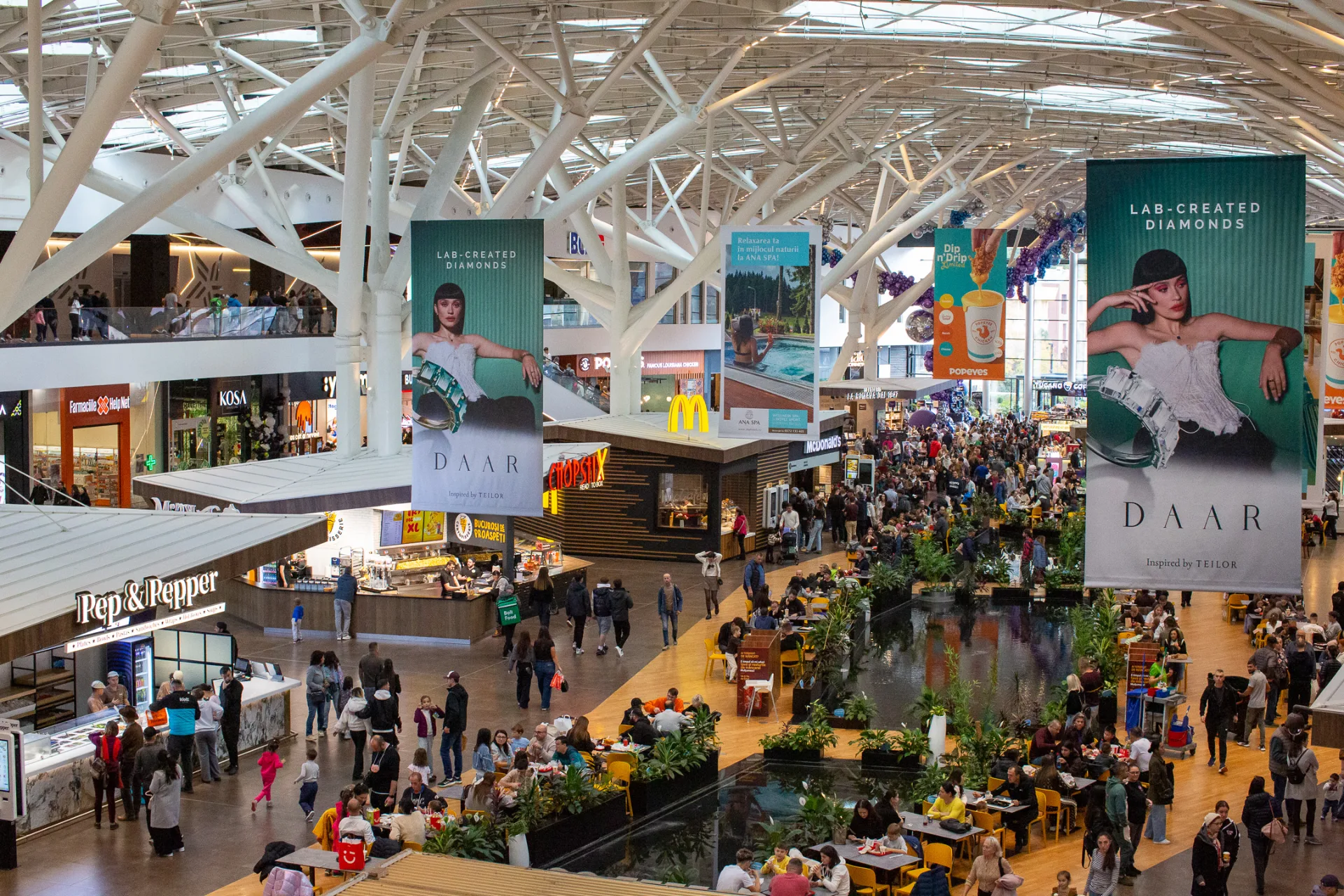
While Brașov’s shopping center stock has remained constant at approximately 140,000 square meters—dominated by its two mega-projects, Coresi and AFI—investor attention has pivoting toward proximity retail and new urban agglomerations.

The Coresi Shopping Resort spans a gross leasable area (GLA) of 63,000 sqm and reached a milestone of 15 million annual visitors last year. This footprint was sustained by continuous community engagement and a dedicated campaign celebrating Coresi’s 10th anniversary, featuring music festivals, sports, and cultural projects. The Coresi brand remains one of the most acclaimed in the city, ranking 3rd in the “Top 100 Most Loved Brands in Brașov,” securing leadership positions in brand awareness and loyalty, according to Nhood data.

The next strategic milestone for Coresi is the transformation of The Hangar, a historic industrial structure that predates the current project and forms a vital part of the area’s identity. The development approach focuses on preservation and transformation rather than demolition, aiming to reactivate the space and integrate it as a new urban landmark and a connection point between generations, Nhood reports.

On the other hand, AFI Mall opened its doors in October 2020 with a footprint of 45,000 sqm. It hosts 150 stores and premium brands, including Zara, Levi’s, Tommy Hilfiger, Gant, Under Armour, Mango, and many others. The center features a 3,500 sqm terrace offering panoramic views of the Carpathian Mountains, equipped with playgrounds, relaxation zones, cafes, and numerous restaurants. Strategically located just a few minutes’ walk from the historical center , the mall boasts a monthly footfall of 750,000 visitors, 51% of whom are women.

RETAIL RENTS IN BRAȘOV

Asset Type Rent Range (Euro/sqm)
Shopping Centers / Malls €30 – €40
High Street Retail (Stradal) €10 – €30
Retail Parks €8.5 – €9

Source: iO Partners

Market Maturity: The Shift to Flexibility and Proximity

According to data from The Seller & Partners, the starting point for 2026 reveals a retail market that has reached full maturity. Large “one-stop-shop” commercial formats have successfully covered the city’s main consumer axes. With a stabilized stock of modern space, Brașov no longer requires new commercial giants, but rather a more intelligent distribution of existing points of sale.

Despite high occupancy rates, the market is far from stagnant. While a wave of new pipeline projects is on the horizon, the underlying format has shifted radically. Developers are now betting heavily on Retail Parks and Strip Malls—more flexible structures with lower operational costs and direct street-level access. These developments aim to fill the “gaps” left by the massive expansion of previous years, offering a fast-paced alternative to lengthy mall shopping trips.

Currently, two such pipeline projects are under construction:

  • Bartolomeu Retail Park: Developed by Repaco Capital in the north-western district of Brașov, this retail park is scheduled for inauguration in the near future and will feature a leasable area of approximately 5,500 sqm.
  • Codlea Project (M Core): The British investor M Core is adding Brașov to its expansion map with a new project in Codlea. The investment targets the construction of three buildings on a 26,436 sqm plot of land. One building will host a supermarket, while the other two will be dedicated to commercial galleries, bringing the total announced built-up area to 6,864 sqm.
Brasov1

The “Catchment Area” and Community Target Strategy

Ranked as the second most visited region in Romania after the capital, Brașov benefits from an extended catchment area, driven not only by the ski season but also by robust weekend leisure traffic. Consequently, prime downtown locations command high interest from investors and retailers alike.

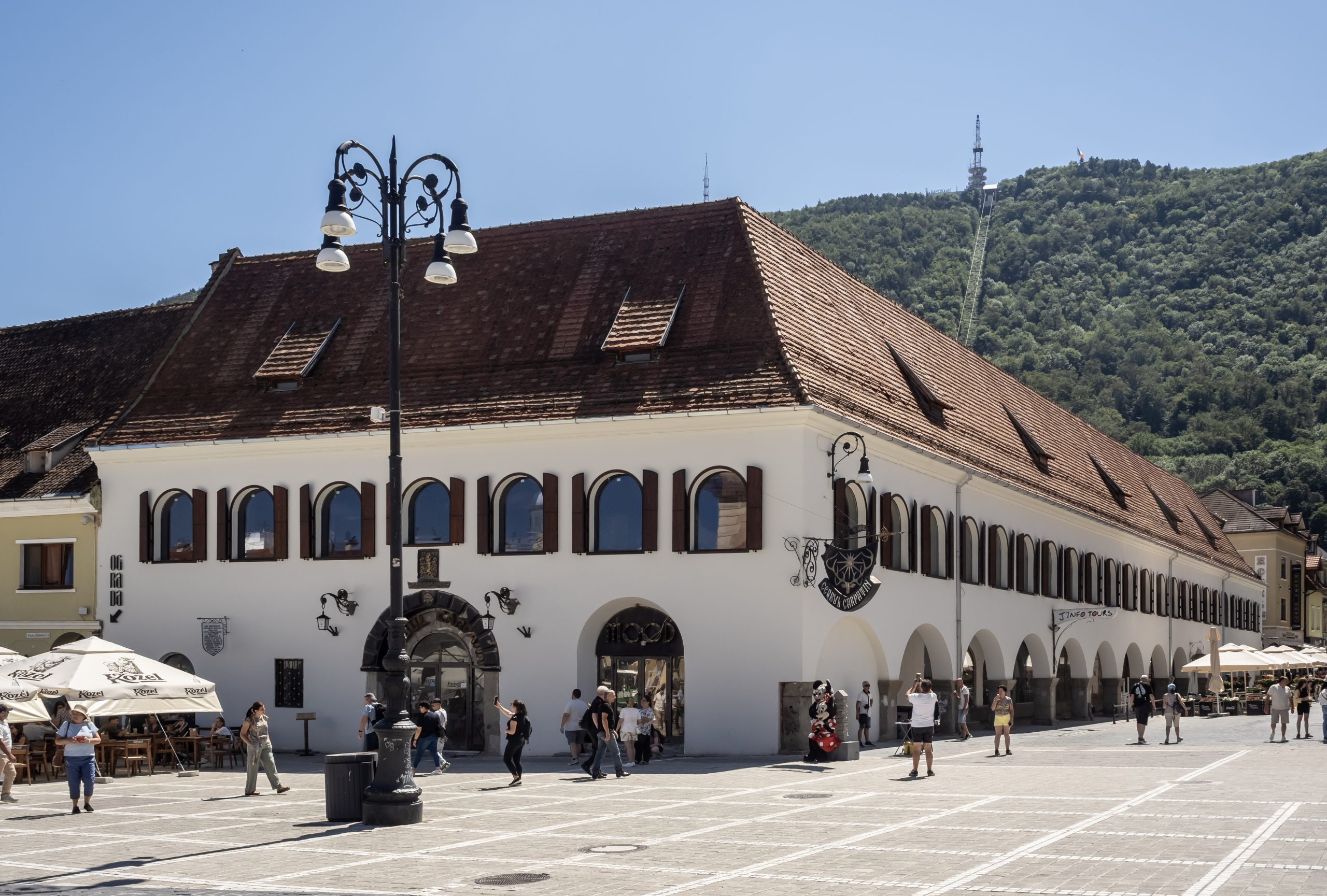
A prime example is City Grill Group, the largest Romanian-capital restaurant chain, which closed 2025 with a consolidated turnover of €90 million. The group recently announced plans to renovate the famous Cerbul Carpatin restaurant. “The group invests in buildings that tell a story, where the public is drawn to an experience that is difficult to replicate in any other context or location,” company officials explained.

The chronology of recent developments points to a clear trend, note analysts at The Seller & Partners: where residential development builds up, retail inevitably follows. The current investor strategy targets high-density population clusters, shifting focus from general “high-footfall” thoroughfares to specific, localized communities. New projects are strategically positioned at the intersection of commuter flows between residential neighborhoods and business hubs, transforming retail into an essential proximity service.

Looking Ahead

Moving forward, the dynamics of the retail sector will remain intrinsically linked to medium and large-scale urban expansion. The growth of districts such as Tractorul Nord, Bartolomeu, or the new residential axis in the Astra-Noua area serves as the catalyst for the next phase of commercial construction. The strip mall is no longer an isolated project, but a mandatory component of the urban mix, validated by the modern consumer’s need to save time.

The Bottom Line: High-street retail and proximity retail parks currently represent the most resilient asset class in Brașov. In a market deemed “fully covered,” survival and profitability now hinge on developers’ ability to accurately read the city’s new residential maps and deliver retail spaces exactly where “the lights go on” in the newly completed apartments.

Razvan3

RPC Talks with Răzvan Calița, The Seller & Partners

RPC Talks with Răzvan Calița, The Seller & Partners 1080 1620 ROMANIA PROPERTY CLUB

RPC Talks to Răzvan Calița

Managing Partner, The Seller & Partners

Razvan3

Profile of the company

The Seller & Partners has a track record of over 15 years on the real estate market from Brasov. Since its establishment in 2009, the company was part of two worldwide recognized brands as a franchised partner. Starting with January 2025, the company’s founders, Nicole Rosnovăț and Răzvan Calița, who held, for 10 years, managing partner positions at Coldwell Banker Alpin, part of the Coldwell Banker group, one of the most well-known real estate consulting companies in the world, and for 5 years at SVN Romania | Brașov, decided to create The Seller & Partners, an independent real estate agency that offers bespoke real estate services. The firm has a team made up of 18 experts: 13 brokers and 5 support employees.

BRASOV RESIDENTIAL HOTSPOT

With a key location in the center of the country, Brasov has attracted residents not only from the city and the surrounding areas, but also form different cities form Transylvania (such as Oradea, Arad, Targu Mures), the southern towns of Moldova and from Bucharest.

Due to the high interest, the city is now Romania’s second most expensive residential market, following Cluj-Napoca. According to our data, the medium price in December 2024 (both new and old market) was 2,154 EUR/SQM.

Some of city’s most sought-after areas are downtown, Drumul Poienii, Centrul Civic, Racadau & Tractorul for apartments, while for homes clients are looking for neighbouring districts with easy access to the city, such as Ghimbav, Stupini, Cristian, Sanpetru or Hărman.

We are the most active player on the New Homes segment, with over 1,200 new units sold in the last 7 years.

THE RISE OF THE CITY AS A TOURISM DESTINATION CREATES NEW OPPORTUNITIES

During the last couple of years, the interest in Brasov as a touristic destination grew significantly. The gateway city to Transylvania attracted the attention of international hotels brands: last year Swissotel inaugurated in Poiana Brasov, while in Cristian our partners are working at Radisson Blu Grand Mountain Resort, the first 5-star mountain villa resort in Romania.

Driven by excellence, based in Brașov, The Seller & Partners is a real estate company that brings together a team of real estate consultants with over 130 years of combined experience. Specializing in bespoke real estate services, we focus on trading high-end properties, both in Romania and on international markets.

CONTACT: https://theseller.ro / razvan.calita@theseller.ro