Record Park

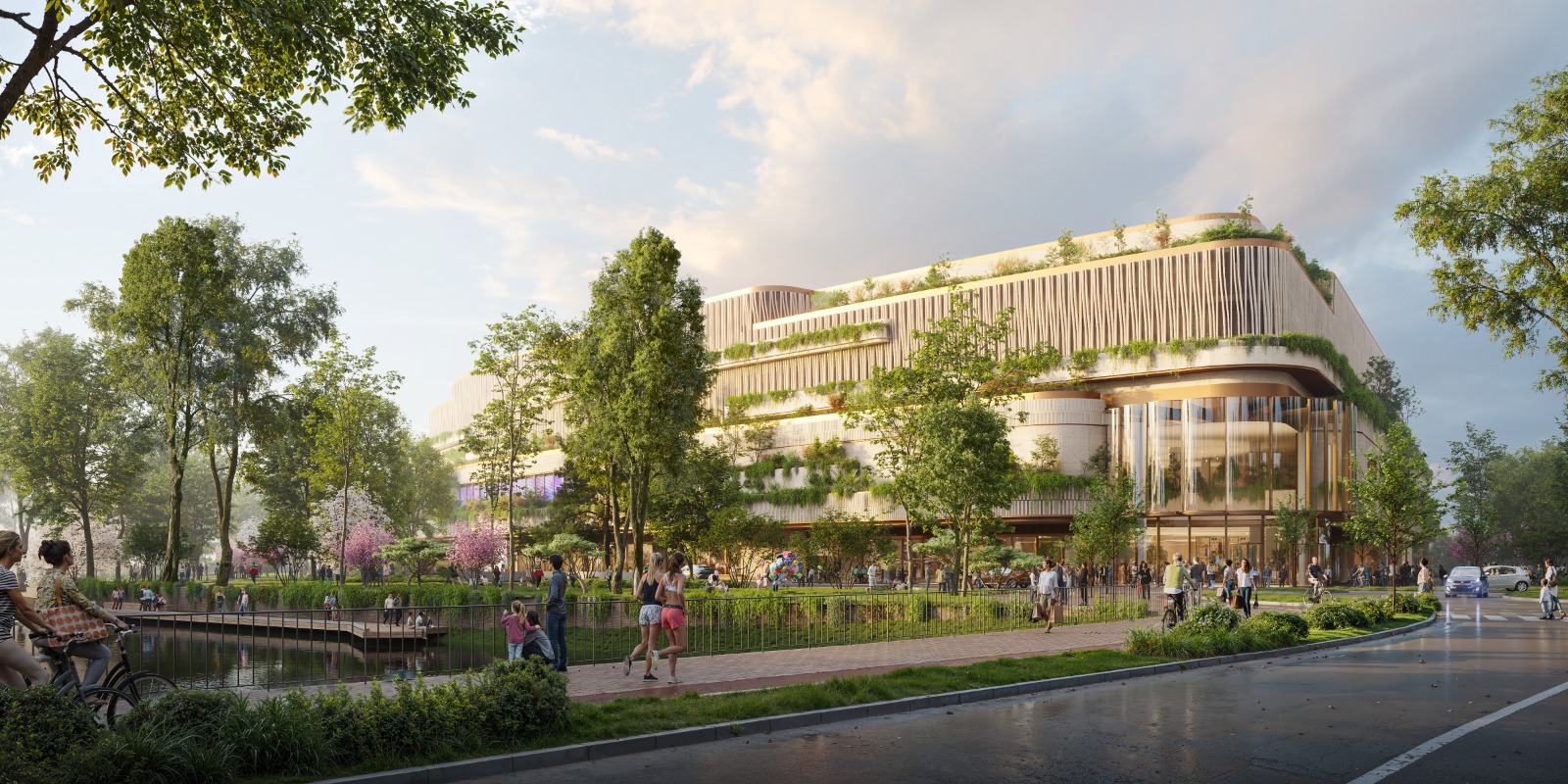
Palas Campus Iasi

Iași Office Market: Competitive Talent, Lower Costs, Big Ambitions

Iași Office Market: Competitive Talent, Lower Costs, Big Ambitions 2048 1152 ROMANIA PROPERTY CLUB
Palas Campus Iasi

Iași combines its position as one of Romania’s leading university cities with one of the most competitive cost profiles among the country’s secondary office markets. The city’s salary gap compared with Cluj-Napoca – around 30%, and Timișoara – approximately 15%, is not a disadvantage but rather a compelling argument for IT, outsourcing and professional services companies looking to optimise operating costs without compromising access to skilled talent. While Cluj-Napoca remains the country’s largest regional office market in terms of stock and demand, Iași offers an efficient alternative, combining a highly qualified workforce with lower operating costs and rapidly improving connectivity.

Prime office rents in Iași currently range between EUR 13 and EUR 18 per sqm/month for Class A buildings and between EUR 10 and EUR 13 per sqm/month for Class B properties, according to data provided by iO Partners to Romania Property Club (RPC).

“There are currently no office buildings under construction in Iași, which is understandable given the significant expansion of the city’s office stock in recent years. More than 80,000 sqm of leasable office space was delivered in 2023 alone, through the completion of Palas Campus and the first office phase of Silk District, representing an increase of almost 40% in the city’s modern office stock within a single year. It is evident that a market of Iași’s size cannot absorb deliveries of this magnitude every year,” explain iO Partners representatives.

Although no office projects are currently under construction, the market retains considerable development potential. Future office phases within Silk District, an additional office building within the United Business Center (UBC) complex, and several smaller projects currently in early planning stages could accommodate any increase in occupier demand over the coming years.

The IT and telecommunications sector remains by far the dominant occupier in Iași’s office market, reflecting the city’s growing reputation as one of Romania’s leading technology hubs. Historically, this sector has generated just over 70% of total office demand, while professional services and business process outsourcing (BPO) account for approximately 12%.

As of November 2025, Iași’s IT and communications sector employed nearly 19,000 professionals, providing a strong foundation for office demand. At the same time, occupier requirements are evolving, shifting away from large-scale outsourcing operations towards smaller, higher-value teams specialising in artificial intelligence, cloud technologies and machine learning. This trend increasingly favours premium Class A office buildings over older Class B assets.

Iași benefits from a substantial stock of modern, high-quality office space. However, demand remains relatively lower than in other regional markets, resulting in a comparatively higher vacancy rate. At 13.3%, Iași records the highest office vacancy level among Romania’s major regional cities, although this figure is largely driven by older, less competitive buildings. Premium office assets continue to perform strongly, with leasing activity primarily consisting of renewals and expansions within established business parks.

With a total modern office stock of approximately 296,000 sqm, Iași ranks as Romania’s second-largest regional office market after Cluj-Napoca (340,000 sqm) and slightly ahead of Timișoara (293,000 sqm).
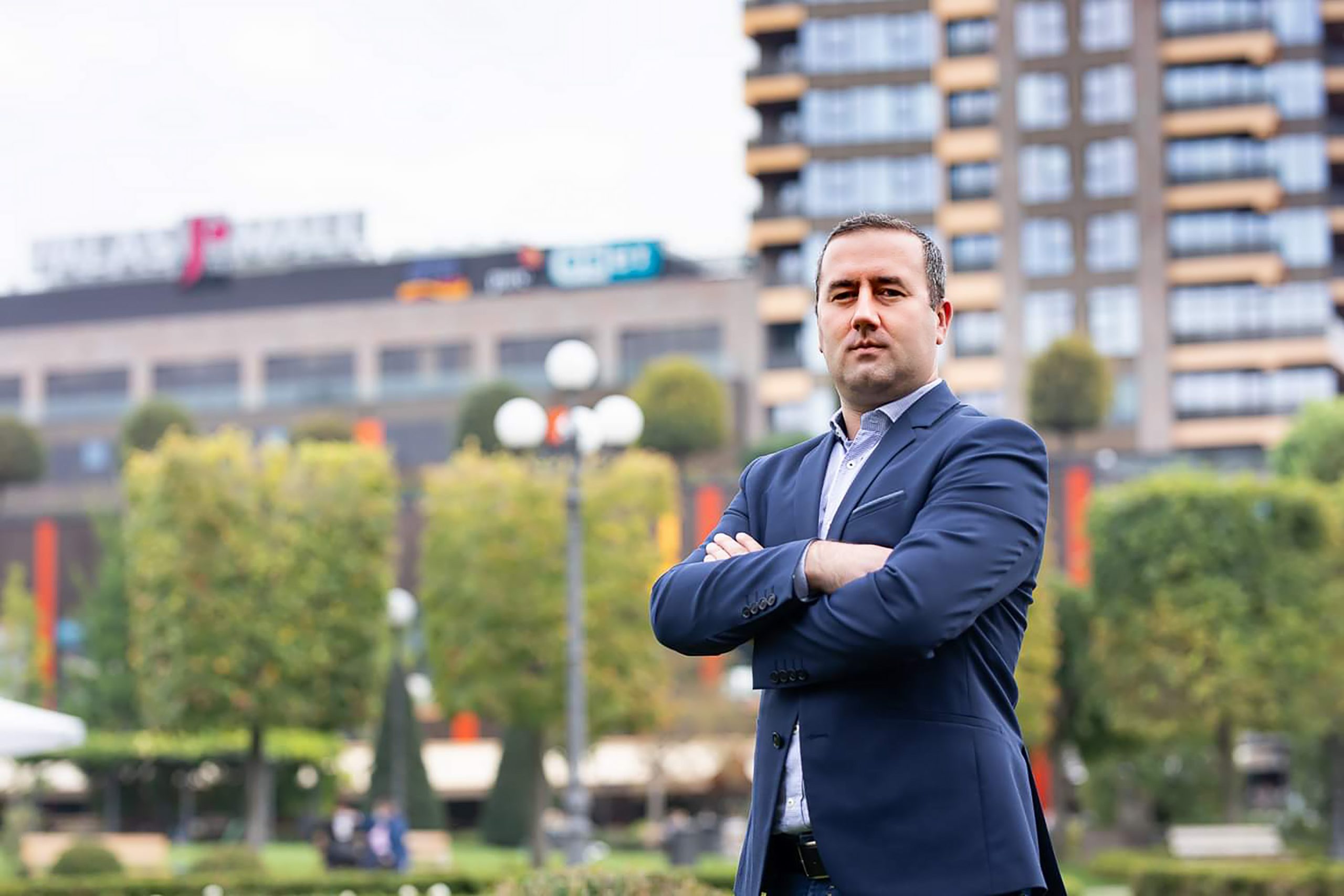
Ionut Pavel Office Buildings Manager Palas Iasi

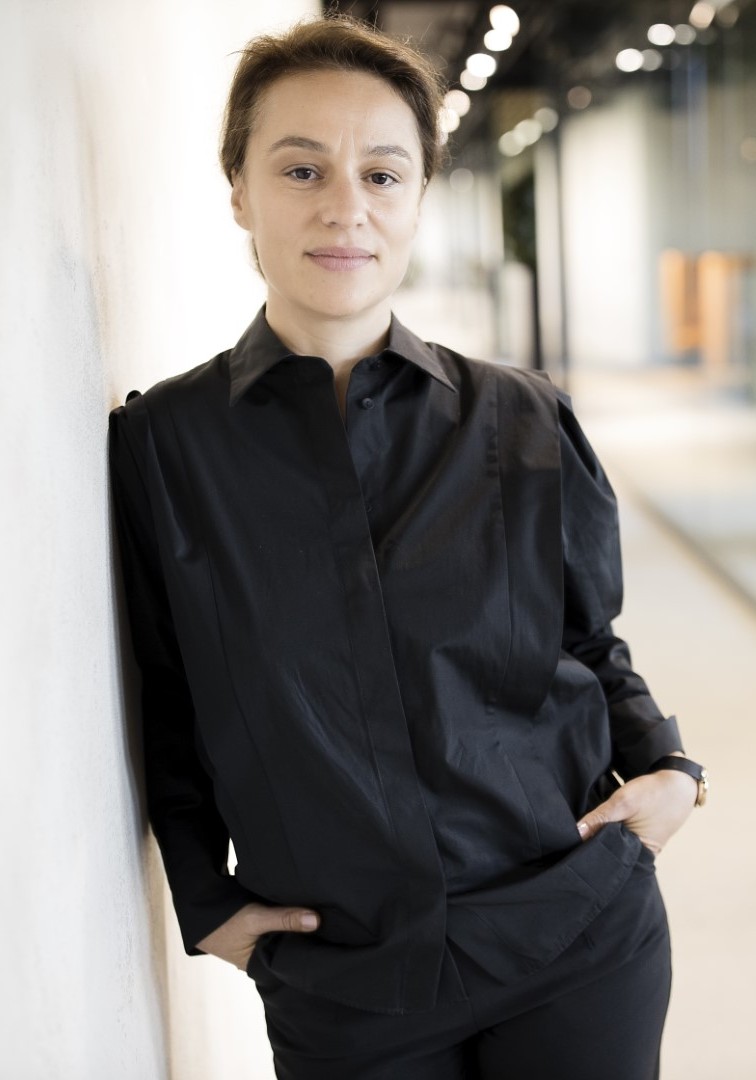
Ionuț Pavel, Office Buildings Manager, United Business Center Palas:

“Iași has established itself as a strong player in both the Romanian and wider regional office markets. In terms of attracting international companies, the city competes not only with other Romanian cities but increasingly with business destinations across Europe, benefiting from a highly qualified workforce, competitive operating costs and an attractive quality of life.

We started 2026 by signing new lease transactions exceeding 3,300 sqm across Palas and Palas Campus. At the same time, we are engaged in advanced negotiations for larger office requirements of more than 1,000 sqm, although most current enquiries are for spaces ranging between 300 and 500 sqm. Demand is primarily driven by companies operating in banking, business services and AI solutions.

We tailor each project to our tenants’ specific requirements, which frequently involve redesigning layouts, reconfiguring office space and providing a high degree of flexibility. Our objective remains to maintain occupancy levels between 95% and 100% across all office buildings within the IULIUS network.”
Impact

New Residential Market in Iași: Moderate Price Growth Keeps the City Among Romania’s Most Affordable

New Residential Market in Iași: Moderate Price Growth Keeps the City Among Romania’s Most Affordable 2560 1440 ROMANIA PROPERTY CLUB
Impact

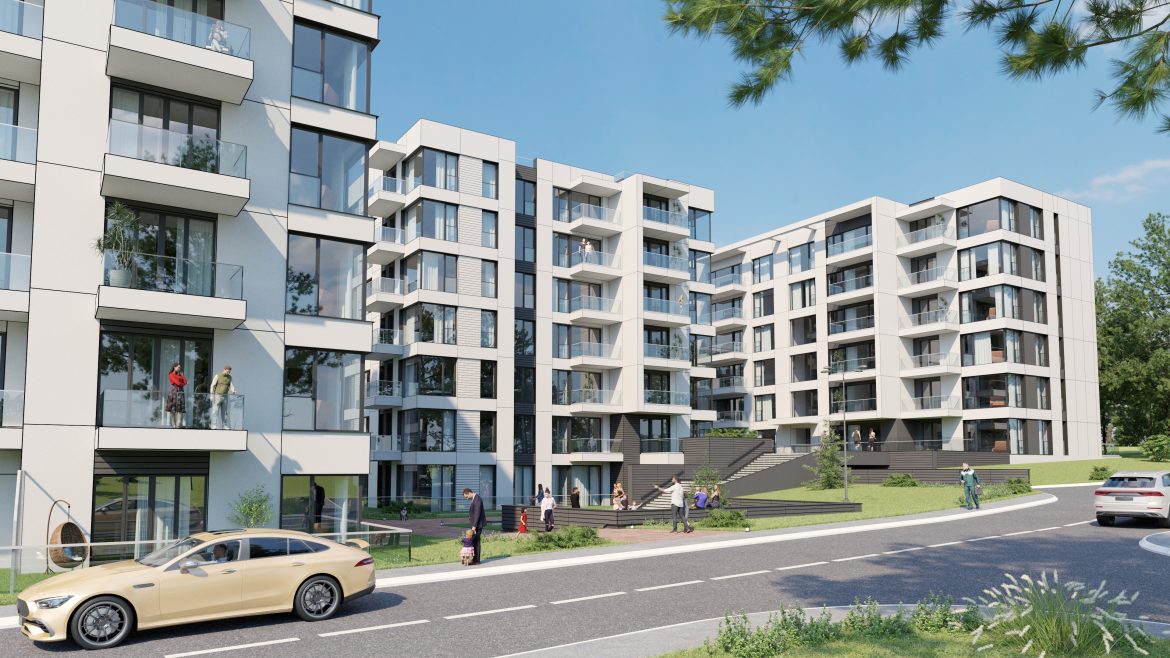
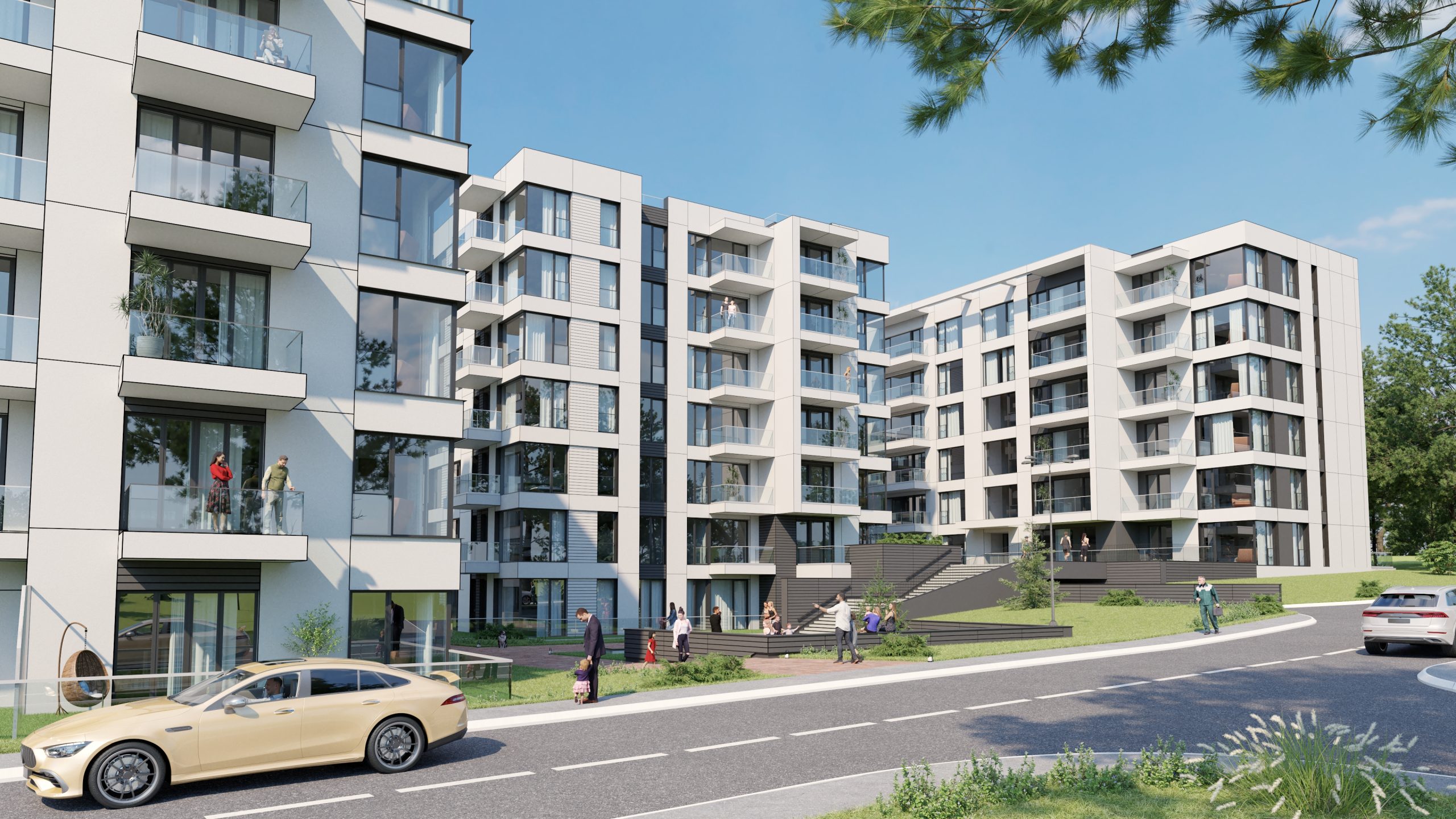
In April 2026, the average asking price for new apartments in Iași reached EUR 2,053 per sqm usable area, marking a 15% year-on-year increase, according to the Imobiliare.ro Index. Despite this upward trend, Iași continues to be one of the most affordable residential markets among Romania’s major cities.

For comparison, the average asking price for new apartments stands at EUR 3,434/sqm in Cluj-Napoca, EUR 2,717/sqm in Brașov, EUR 2,245/sqm in Timișoara, and EUR 2,632/sqm in Bucharest. The only major city with a comparable price level is Constanța, where the average reaches EUR 2,112/sqm.

At the same time, the supply of newly built homes in Iași declined significantly during the first part of 2026, falling 43% compared with the same period last year. Around 1,240 new apartments were available for sale during the first quarter of 2026.

The city’s highest residential prices are recorded in the Ultracentral area, where average asking prices exceed EUR 3,100/sqm, followed by the Copou district at approximately EUR 2,800/sqm. Meanwhile, Bucium, Dacia, and Mircea cel Bătrân remain the city’s most affordable residential neighbourhoods, with average asking prices below EUR 1,800/sqm.

Real Estate Regional Hubs – photo 2

Brașov Market: Residential transactions freeze, but prices refuse to drop

Brașov Market: Residential transactions freeze, but prices refuse to drop 2048 1152 ROMANIA PROPERTY CLUB
Real Estate Regional Hubs – photo 2

The New Home (NH) market grew steadily throughout 2025, climbing from €2,384/sqm in January to €2,668/sqm in December. This represents an annual increase of approximately 11.9%. Meanwhile, the Old Market experienced more tempered growth (from €1,999 to €2,190/sqm), suggesting that demand is increasingly shifting toward new properties, despite their higher price tags.

The growth peak was recorded in Q2, when the overall market average jumped by over 3% compared to the beginning of the year.

When it comes to the housing segment, Sânpetru emerged as the “star” of 2025. Although it started with the lowest price point (€1,512/sqm in January), it wrapped up the year at €1,824/sqm, making a massive recovery compared to other areas. It stands as the region with the highest appreciation rate. Conversely, Stupini and Ghimbav remained more expensive overall but showed a more linear evolution with minor month-to-month fluctuations—a clear sign of a market that has reached a certain level of maturity and local capping.

Apartment Market Evolution (Average Prices €/sqm) in 2025

The table below summarizes quarterly averages for the general market, highlighting the pricing gap between new and old constructions.

Quarter New Home (NH) Average Old Market Average General Average Quarterly Change (%)
Quarter 1 (Q1) €2,457 €2,031 €2,186 —
Quarter 2 (Q2) €2,530 €2,116 €2,255 +3.15%
Quarter 3 (Q3) €2,586 €2,157 €2,300 +2.00%
Quarter 4 (Q4) €2,641 €2,179 €2,355 +2.39%

Regional Analysis (Housing Segment – NH Average Price) in 2025

For the house/villa segment in suburban areas, the evolution was more volatile but maintained an upward trajectory:

Area Q1 Average Q2 Average Q3 Average Q4 Average Annual Change (Q4 vs Q1)
Sânpetru €1,550 €1,690 €1,749 €1,797 +15.9%
Stupini €1,874 €1,811 €1,953 €1,951 +4.1%
Ghimbav €1,819 €1,884 €1,896 €1,891 +3.9%

Market Resilience and the 2026 Outlook

The residential market analyzed shows a high resilience to price increases. There were no negative quarters (declines), only correction and stabilization periods (such as Q3 for apartments). The price gap between new and old apartments widened throughout the year, reaching nearly €480/sqm in December.

Currently, the market is undergoing a transaction volume “freeze” (fewer closed deals), yet prices stubbornly refuse to drop.

Brașov in 2026 is no longer playing in the apartment speculation league. The city has entered a phase of technical consolidation, where the price per square meter is no longer driven solely by supply and demand. Instead, it is dictated by new regulatory rigors and a metropolitan infrastructure that has outpaced any other city in Romania.

In 2026, the average listing price for new apartments hit the €2,700/sqm threshold. Moving forward, we expect stagnation or a slight increase (3-5%), below the inflation rate. In real terms, this translates to a massive drop in purchasing power, not in shelf prices.

Key influencing factors include lending (stubbornly high interest rates are dampening enthusiasm for credit buyers) and energy efficiency. Old buildings will begin to rapidly lose ground to new developments due to skyrocketing maintenance costs.

Why Prices Will NOT Drop

  • The Regulatory Squeeze: New legislation (the “Nordis Law”) has cut off oxygen for developers who previously relied heavily on large down payments to finance other ongoing projects.
  • Rising Financing Costs: Forced to seek external financing (bank loans, investment funds), developers are now facing high development interest rates. Furthermore, the banking system—compelled to create specific products to guarantee client down payments—charges risk fees. All of these financial costs (amounting to 2-4% of the project’s value) are transferred directly into the final price paid by the buyer.
  • Higher Execution Costs: The mandatory implementation of high energy efficiency standards means construction costs are 15-20% higher than they were 5 years ago.

The Bottom Line: Price per square meter has become a direct reflection of legal security and energy efficiency. Anyone selling “cheap” in 2026 is, most likely, a project with a high risk of non-completion.

Market analysis conducted with the support of The Seller & Partners

Real Estate Regional Hubs – photo 3

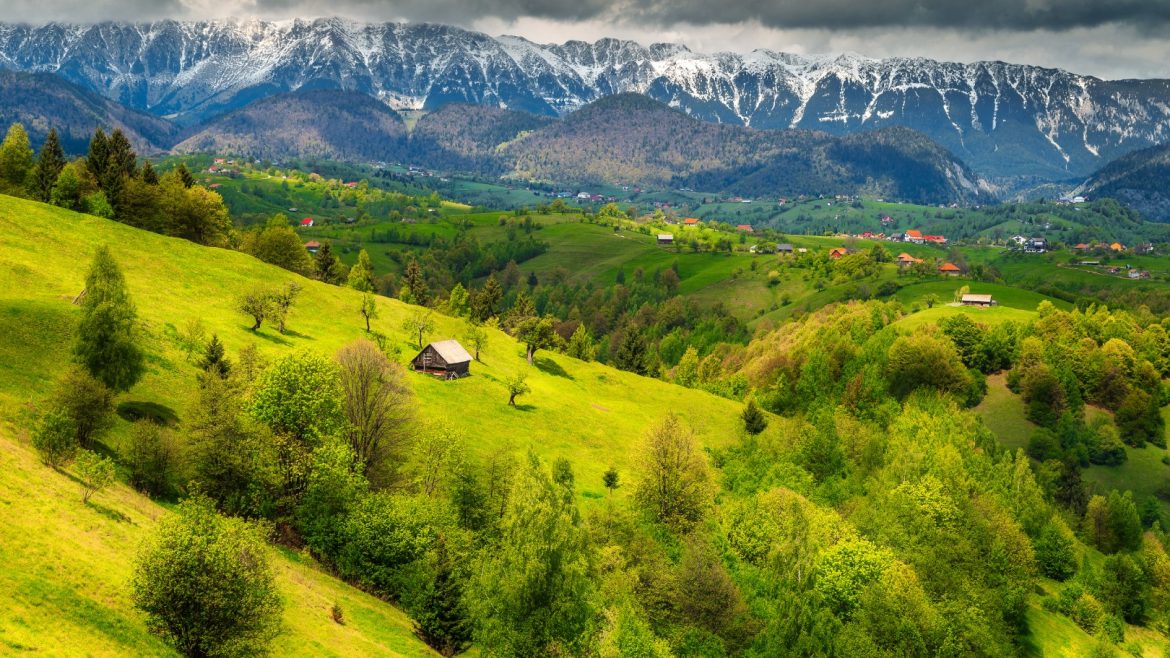
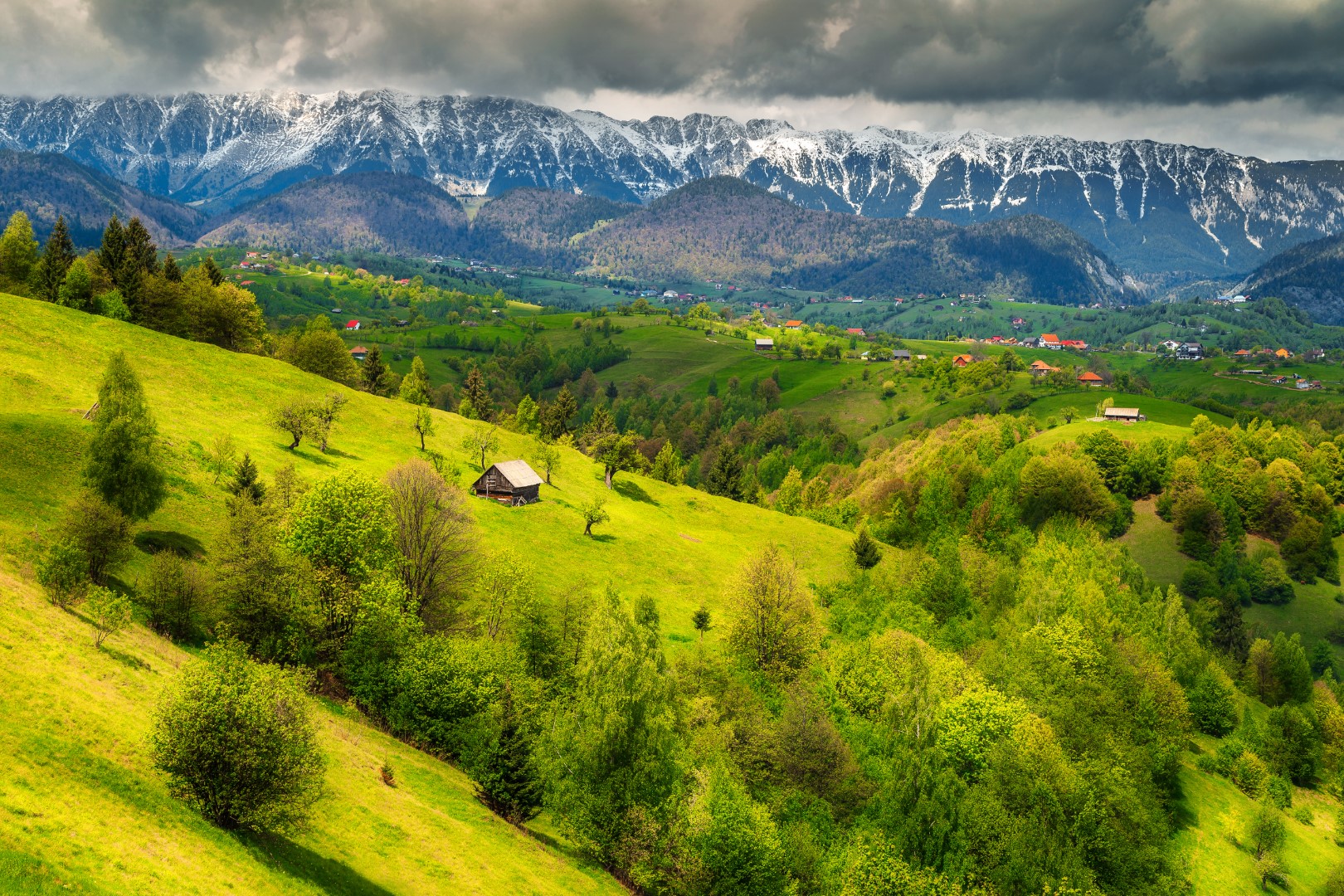
Despite falling tourist number in 2025, the hotel development pipeline remains robust

Despite falling tourist number in 2025, the hotel development pipeline remains robust 1620 1080 ROMANIA PROPERTY CLUB
Real Estate Regional Hubs – photo 3

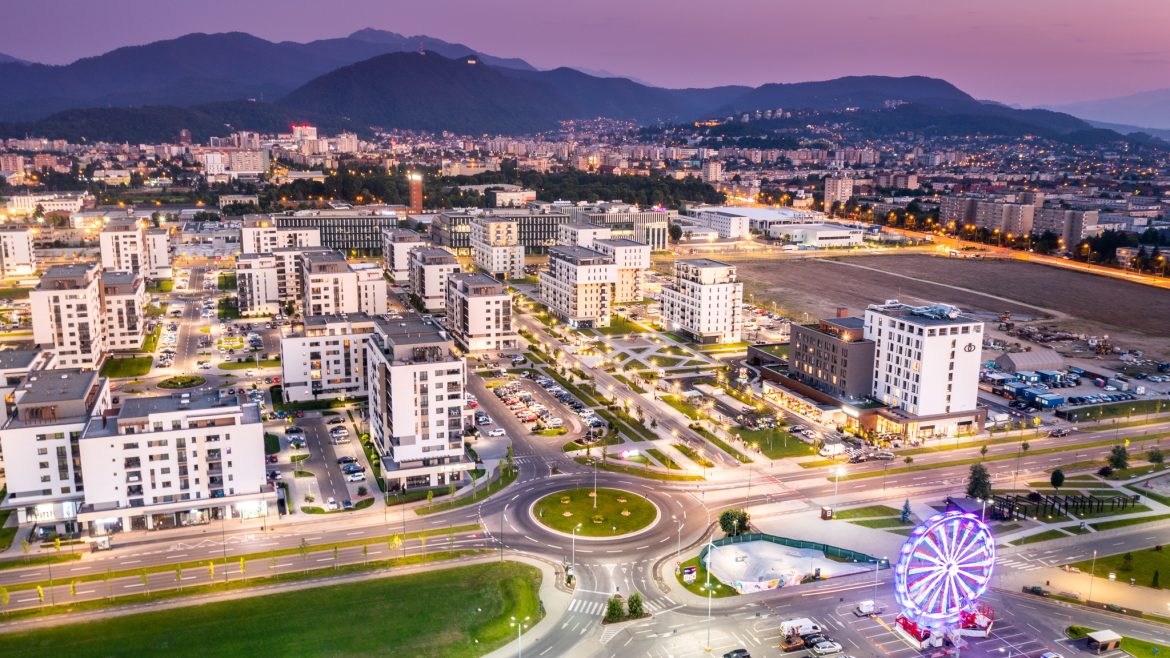
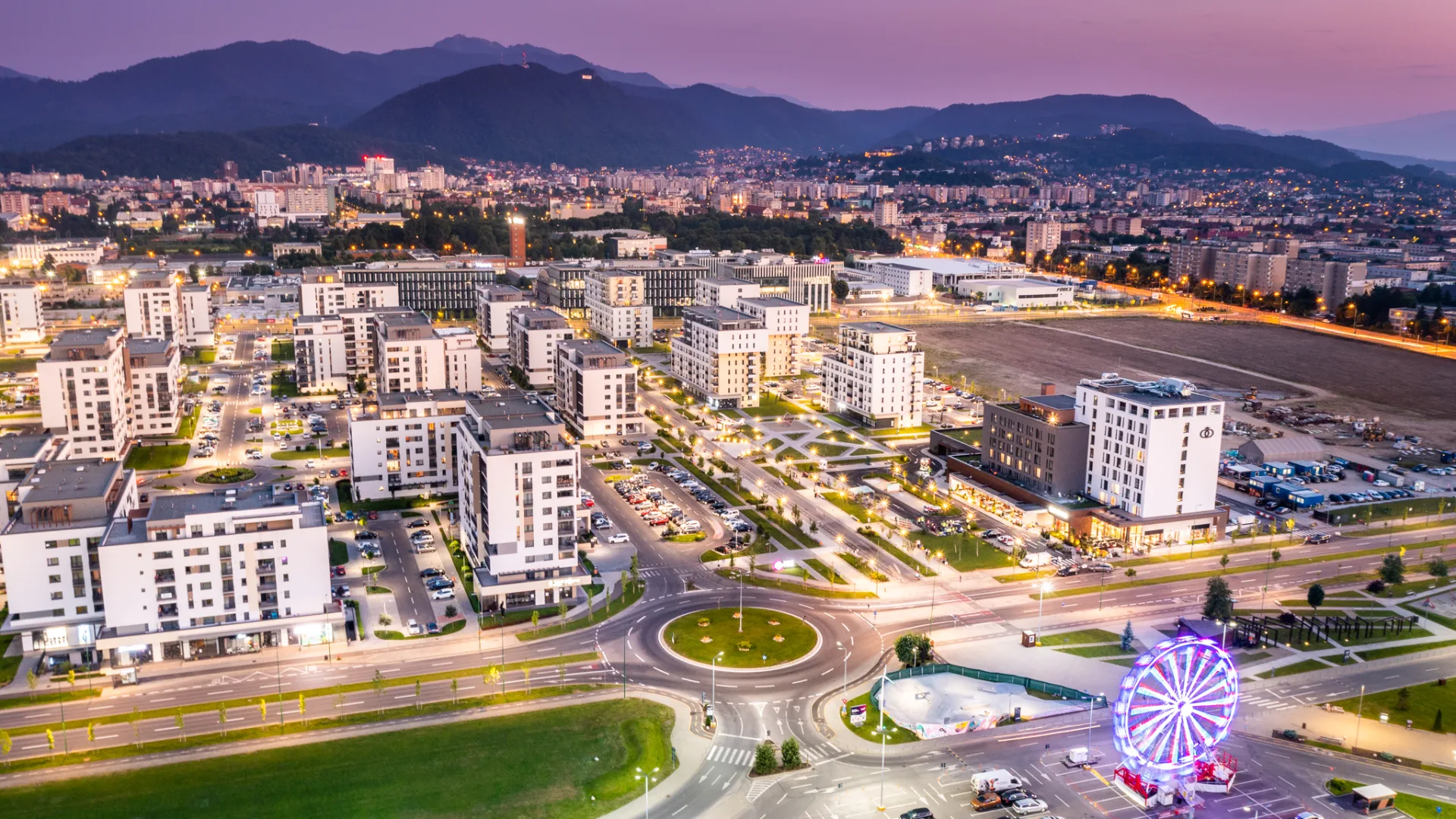
Brașov is increasingly positioning itself as a major hub of attraction, driven by its unique blend of economic development, tourism opportunities, and high quality of life. The destination benefits from upgraded infrastructure, easy access to major cities, and a landscape that harmoniously blends history with natural beauty. Beyond ranking among the top three national destinations, Brașov has been a constant fixture in major international travel guides over recent years.

  • National Geographic – “Best of the World 2025”: Brașov was included in this exclusive list of the 25 must-visit destinations for 2025. The publication described it as the “gateway to Transylvania,” praising its mix of medieval history, ancient forests, and the accessibility provided by the new international airport.

  • CNN Travel – Top Destinations for 2025: CNN included Romania in its recommended travel list for 2025, calling Brașov a central pillar of the “Transylvanian experience.” American journalists presented it as an authentic and less crowded alternative to Western Europe’s classic destinations.

Accommodation Capacity on the Rise

Currently, hotel capacity within the municipality of Brașov recorded a 4.7% increase in 2025 compared to 2024, expanding from 47 hotels (2,427 rooms) to 50 hotels (2,542 rooms). The most substantial growth in 2025 versus 2024—a striking 21.4%—was reported in the short-term rental apartments and units category, which surged from 2,081 units in 2024 to 2,527 units in 2025. This data is based on figures from the Ministry of Economy, Digitalization, Entrepreneurship & Tourism, analyzed by Est Hospitality.

HOTEL CAPACITY IN THE CITY OF BRAȘOV

Accommodation Type 2024 2025 2025 vs 2024 (%)

1-5 Star Hotel Rooms

2,427

2,542

4.70%

Short-Term Rental Apartments

2,081

2,527

21.40%

A Temporary Cooldown in Tourist Traffic

When it comes to tourist numbers, the 2025 figures indicate a decline compared to both the previous year and the pre-pandemic benchmark. In 2025, the county ranked 3rd nationally, attracting nearly 1.39 million visitors and registering 2.62 million overnight stays. A solid performance in the first half of the year was followed by a slight deceleration in the second semester—a trend observed across the entire mountain region.

In 2025, tourist arrivals and overnight stays remained below 2019 levels and lower than in 2024. Compared to 2024, the hotel market experienced a contraction of approximately 4%. Conversely, arrivals and overnight stays in short-term rental apartments remained relatively stable in 2025 compared to 2024.

TOURISM IN THE CITY OF BRAȘOV

Metric 2019 2024 2025 2025 vs 2019 2025 vs 2024

Hotel Arrivals

517,641

489,529

470,637

-9.10%

-3.90%

Rental Apartment Arrivals

N/A

116,794

114,954

—

-1.60%

Hotel Overnight Stays

1,002,192

900,733

868,730

—

-3.60%

Rental Apartment Overnight Stays

N/A

211,790

215,011

Source: Est Hospitality based on NIS (National Institute of Statistics) data

International Brands Bet Heavily on the Pipeline

Interest from international hotel chains remains exceptionally high. The most anticipated entries are in the ultra-luxury 5-star segment: Hyatt (rebranding the former ARO Palace) and Kempinski, which is debuting with a brand-new development in Poiana Brașov.

HOTEL DEVELOPMENT PIPELINE (2026-2028)

Property Rating Keys / Rooms Operator Estimated Opening

Hilton Garden Inn

4*

130

Hilton

2026

Radisson Blu Grand Mountain Resort Cristian

5*

46 villas & 20 rooms

Radisson

2026

Ibis Styles

3*

126

Accor

2027

Mercure Brașov Center

4*

180

Accor

2027

Hyatt Regency

5*

189

Hyatt

2028

Kempinski Poiana Brașov

5*

120

Kempinski

2028

TOTAL

811

Source: Est Hospitality

Industry Insight

“This year will mark the opening of the 4-star Hilton Garden Inn, which represents only the third hotel affiliated with an international chain in the city. Brașov will also welcome its first internationally branded 3-star hotel in 2027. Concurrently, in 2026, the number of short-term rental apartments is projected to surpass Brașov’s total hotel capacity.”

— Mircea Drăghici, Managing Partner, Est Hospitality

AFI Park Brasov

Business Blueprint in Brașov: Global Leaders and Local Champions Meet in an Emerging Office Hub

Business Blueprint in Brașov: Global Leaders and Local Champions Meet in an Emerging Office Hub 2560 1440 ROMANIA PROPERTY CLUB
AFI Park Brasov

Brașov is rapidly cementing its status as an emerging office market. Currently holding a total stock of 155,000 sqm, with an additional 21,000 sqm actively under development, the city accounts for just under 5% of Romania’s total modern office inventory.

According to data from iO Partners, monthly office rents in Brașov span between €11 and €15 per sqm for Class A buildings, while Class B spaces remain accessible at rates under €10 per sqm.

Historically, the tech and telecom sectors have been the main drivers of the local office market, commanding nearly 60% of total transaction volumes, followed by professional services and BPOs at 18%. Today, Brașov’s office infrastructure serves as a vital backbone for a wide array of sectors, including manufacturing, wholesale and retail trade, BPO, SSC, and IT services.

Major employers are drawn to the region by a highly competitive advantages:

  • An educated workforce: Over 20,000 students graduate annually.
  • Language skills: The local talent market offers a robust pool of multilingual candidates.
  • Cost-efficiency: Annual gross salaries range from €10,000 to €20,000 for general services, and between €10,000 and €50,000 for IT roles—significantly lower than Western European standards or other primary hubs in Romania.

As of mid-2025, Brașov county counts over 205,000 active employees across more than 30,000 businesses (including 26,179 micro-enterprises, 1,784 small businesses, 331 medium enterprises, and 82 large corporations).

The undisputed corporate titan of the region remains Autoliv, boasting 8,561 employees and a massive turnover of 6.06 billion RON in 2024, followed by other major employers like Selgros Cash & Carry and Schaeffler România. On the domestic front, Bilka Steel reigns as the largest 100% Romanian-owned company in the county and a national leader in the roofing sector, clearing the 1.5 billion RON turnover milestone in 2025. Meanwhile, state-owned IAR Brașov achieved an exceptional 2025, booking a profit surge of over 50% (reaching 48 million RON) fueled by robust aerospace manufacturing and maintenance contracts

The Two Pillars of Brașov’s Office Market: Coresi and AFI

The city’s commercial gravity centers around two main office hubs: Coresi and AFI.

Spanning 100 hectares, the Coresi district has fundamentally reshaped how the city lives, works, and grows. Managed by Nhood, the hub features 75,000 sqm of modern Class A office spaces, hosting more than 30 national and international companies and over 6,000 employees.

The hub maintains strong momentum:

  • In 2025, the leasing team closed 5,000 sqm in deals for prominent names like Terma, Arvato Systems, and Eviden.

  • The technical team seamlessly managed complete fit-outs to ensure zero-downtime relocations.

  • Looking ahead to 2026, the new U1 building is set to open, bringing 11,000 sqm of GLA to the market, with its first 2,000 sqm already pre-leased.

AFI Park Brașov 1 has been a resounding success and a powerful proof of concept for the local market. The building is 100% leased to high-profile IT companies, BPOs, and multinational service firms. In a market where quality space was scarce, full occupancy is the clearest testament to the depth of local demand and the quality we introduced in 2020. This definitive response is precisely why we launched Phase 2: Brașov’s appetite for premium workspaces is far from satisfied, and we intend to keep raising the bar.

Brașov consolidates its status as Romania’s central industrial hub

Brașov consolidates its status as Romania’s central industrial hub

Brașov consolidates its status as Romania’s central industrial hub 2560 1708 ROMANIA PROPERTY CLUB
Brașov consolidates its status as Romania’s central industrial hub

As a region traditionally renowned for its industrial heritage, Brașov ranks as Romania’s fourth-largest industrial hub—following Bucharest, Timișoara, and Ploiești—boasting a total stock of approximately 480,000 square meters. Positioned at the geographical heart of the country, it represents a core area of strategic interest.

According to data from iO Partners, prime Class A industrial and logistics rents in Brașov oscillate between €4.1 and €4.5 per sqm per month, fluctuating based on unit size and lease terms. The profile of major industrial tenants locally mirrors the region’s manufacturing DNA. Consequently, the automotive industry (auto parts) generates roughly 50% of multi-annual demand, followed by light manufacturing (22%), the logistics sector (15%), and retail & FMCG (6%).

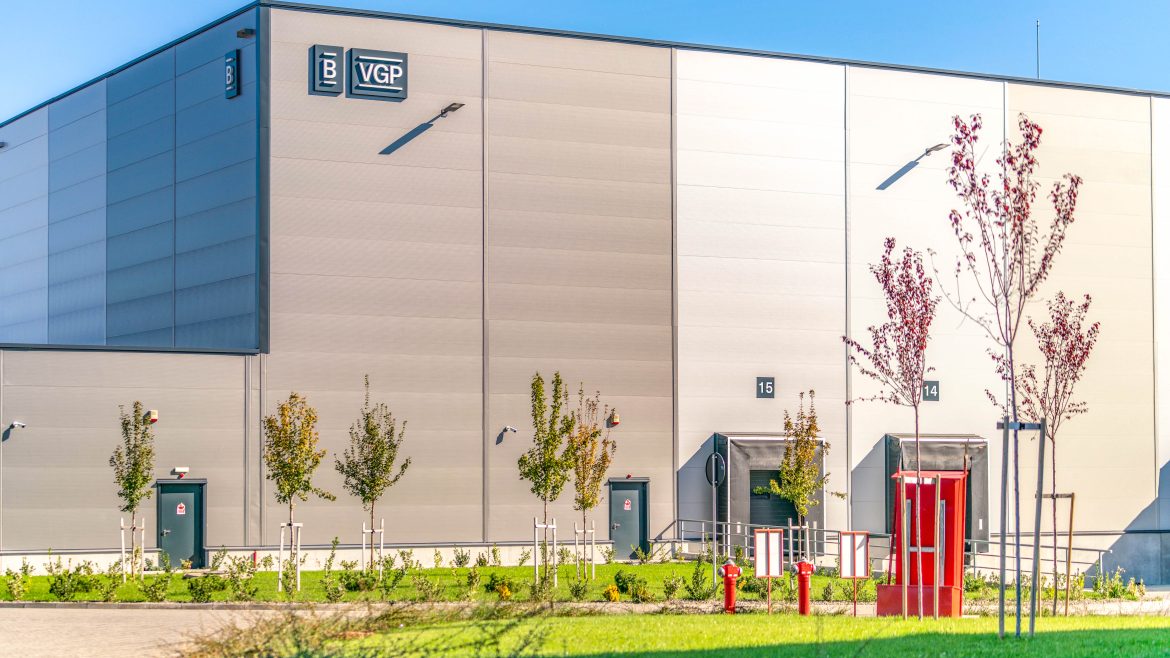
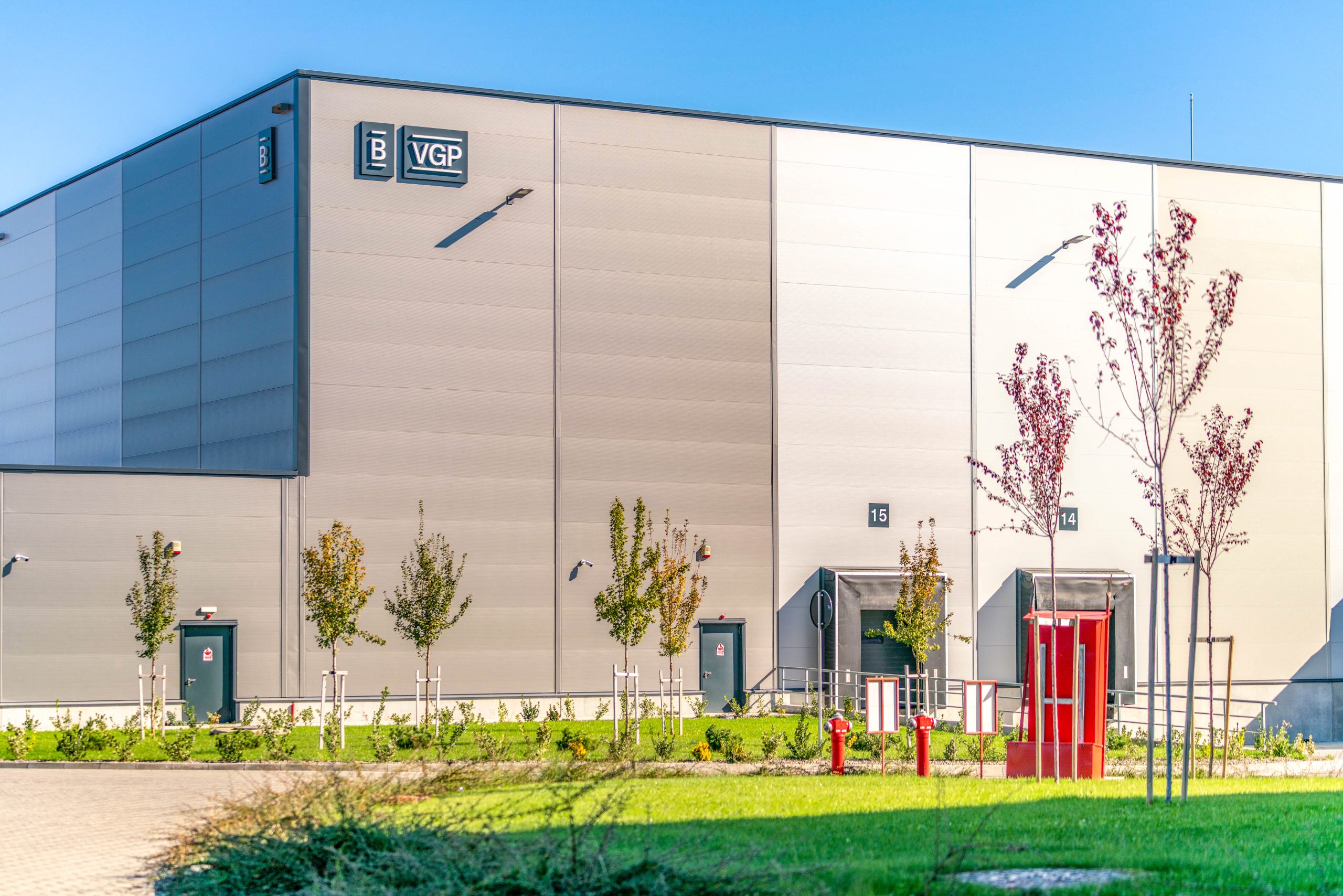
Major institutional investors maintain a strong local footprint and continue to expand. VGP currently has a new 35,000 sqm warehouse under construction. Concurrently, CTP is developing two industrial parks in the region: CTPark Brașov and CTPark Brașov West. Furthermore, M Core is set to launch its first-ever industrial project in Romania here—a 16,000 sqm development. This will be an in-city logistics project, meticulously partitioned into small-business modules.

According to analysts at The Seller & Partners, Brașov is undergoing a phase of organic expansion. This trajectory is fueled by major international players, a nationwide repositioning of the workforce, and forward-thinking urban planning that balances production areas with residential growth.

Investor appetite for industrial land remains high, with a clear focus on the North-West axis. While the strategic triangle formed by Cristian, Râșnov, and Ghimbav continues to attract the bulk of capital placement, development pressure is visibly shifting toward the wider metropolitan area. In 2026, attention is strategically turning toward Codlea. Its geographical positioning is evolving into an unbeatable competitive advantage: immediate proximity to Brașov International Airport and a direct connection to the future highway interchanges leading toward Sibiu (A13) and the Moldova region.

Dana Bordei (Large)

INSIGHTS FROM THE EXPERT

Dana Bordei, Country Commercial Manager, VGP Romania

Q: Brașov is a traditional manufacturing destination. What were the main challenges over the past year, and where do you see future growth opportunities?

Dana Bordei: Over the past year, the market has been shaped by several converging pressures: higher financing costs, continuous sensitivity toward construction and fit-out budgets, and a more cautious tenant base hesitant to make early commitments.

Simultaneously, occupiers have raised the bar regarding energy performance and operational cost predictability. This shift has moved negotiations away from mere base rents toward total occupancy costs and sustainability certifications. In essence, projects capable of delivering modern specifications, energy efficiency, and flexible unit sizing have consistently managed to capture demand.

Looking ahead, Brașov’s growth opportunity lies in its role as Romania’s central hub, both for production-adjacent operations and regional distribution. We see sustained demand coming particularly from: * Automotive and industrial supply chains (including suppliers and light assembly); * 3PL (Third-Party Logistics) and contract logistics servicing Transylvania and broader national coverage; * Pharmaceutical and healthcare distribution; * Companies seeking more resilient “nearshoring” footprints backed by solid labor access and reliable infrastructure.

At VGP, we have heavily focused on sustainability-driven differentiation, which is increasingly becoming a deal-breaker for international tenants.

Q: What is the current status of the VGP park, and who are the anchor tenants?

Dana Bordei: VGP Park Brașov already hosts an impressive portfolio of tenants spanning a wide array of sectors, such as automotive, pharma, distribution, and manufacturing—a testament to the park’s versatility and market appeal.

Among them are household names such as Inter Cars, Autoliv, RETURO, DB Schenker, Miele Tehnica, and Fildas, among others. These tenants highly value our strategic location, state-of-the-art facilities, and VGP’s unyielding commitment to quality and sustainability, which were key drivers in choosing us as a partner.

Developed on an impressive land footprint of approximately 360,000 sqm, the logistics park is master-planned to meet both current and future market demands, offering a total potential build-up area of 180,000 sqm.

Brașov Market: Urban agglomerations capture the attention of retail investors

Brașov Market: Urban agglomerations capture the attention of retail investors

Brașov Market: Urban agglomerations capture the attention of retail investors 2160 1440 ROMANIA PROPERTY CLUB
Brașov Market: Urban agglomerations capture the attention of retail investors

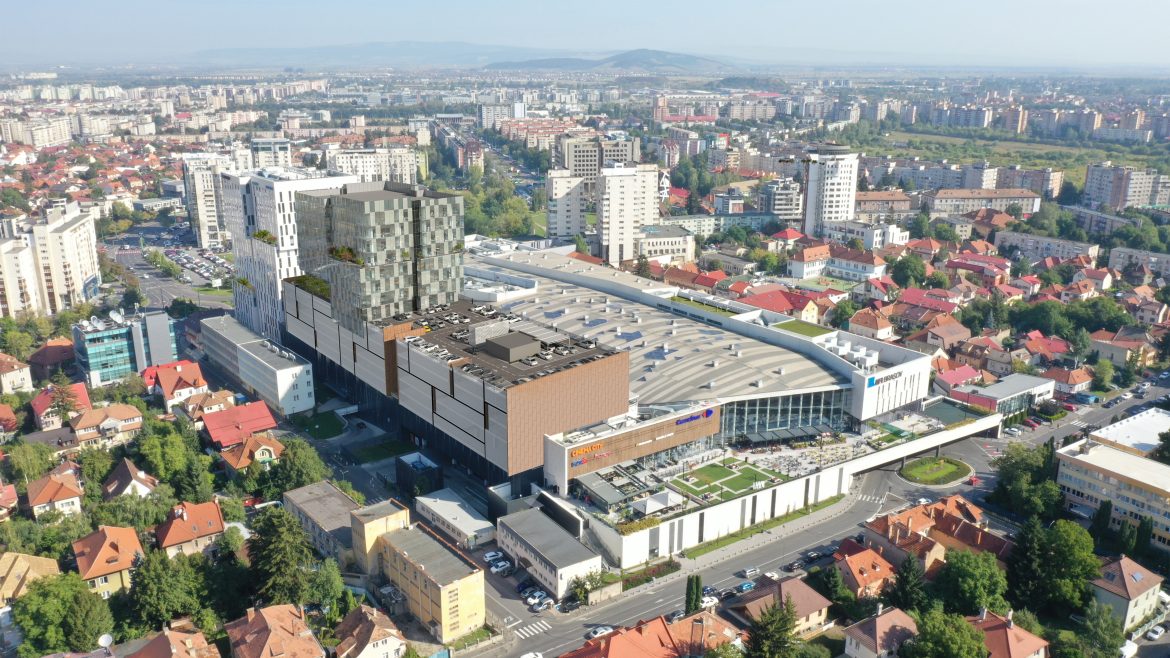
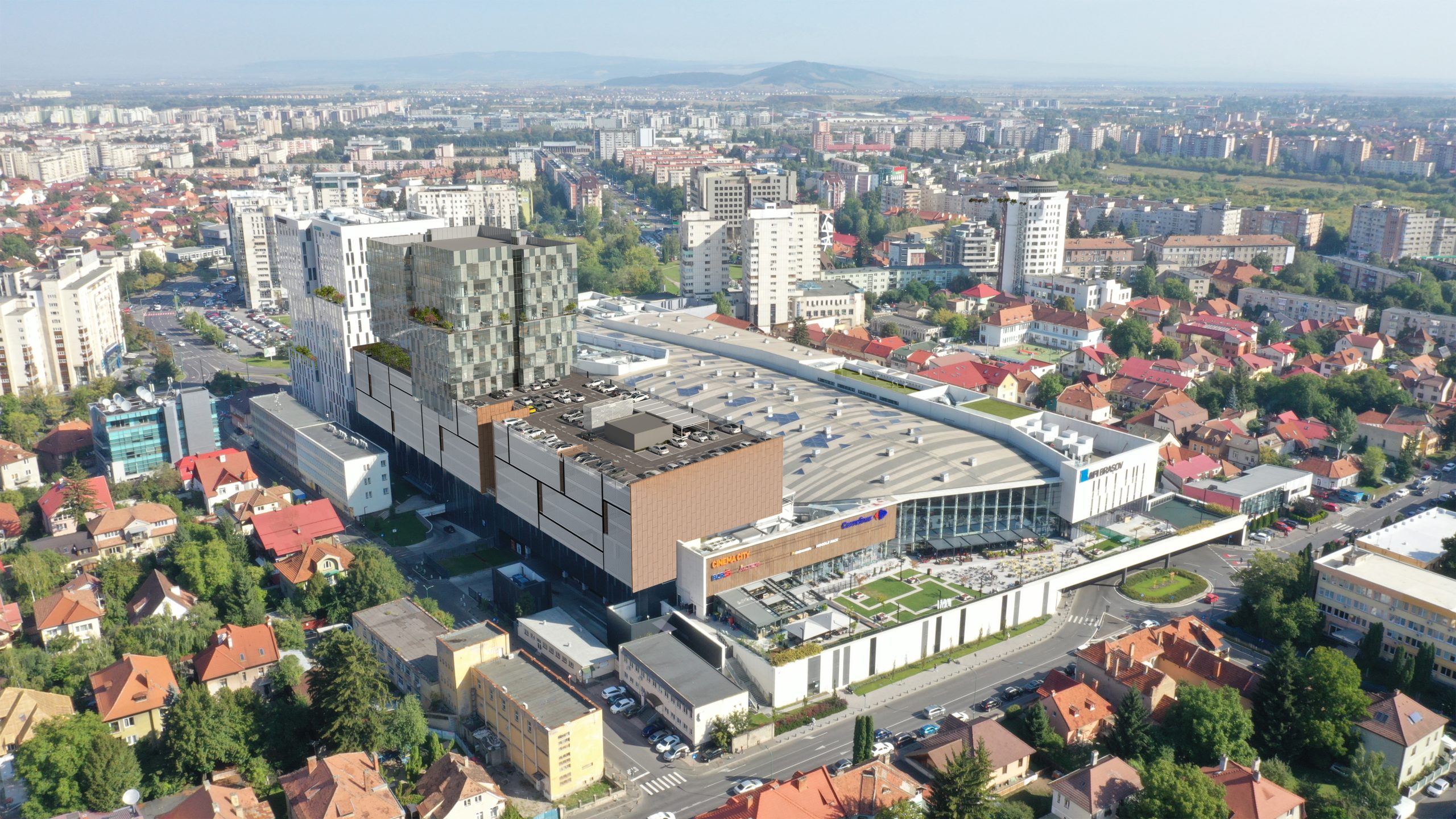
While Brașov’s shopping center stock has remained constant at approximately 140,000 square meters—dominated by its two mega-projects, Coresi and AFI—investor attention has pivoting toward proximity retail and new urban agglomerations.

The Coresi Shopping Resort spans a gross leasable area (GLA) of 63,000 sqm and reached a milestone of 15 million annual visitors last year. This footprint was sustained by continuous community engagement and a dedicated campaign celebrating Coresi’s 10th anniversary, featuring music festivals, sports, and cultural projects. The Coresi brand remains one of the most acclaimed in the city, ranking 3rd in the “Top 100 Most Loved Brands in Brașov,” securing leadership positions in brand awareness and loyalty, according to Nhood data.

The next strategic milestone for Coresi is the transformation of The Hangar, a historic industrial structure that predates the current project and forms a vital part of the area’s identity. The development approach focuses on preservation and transformation rather than demolition, aiming to reactivate the space and integrate it as a new urban landmark and a connection point between generations, Nhood reports.

On the other hand, AFI Mall opened its doors in October 2020 with a footprint of 45,000 sqm. It hosts 150 stores and premium brands, including Zara, Levi’s, Tommy Hilfiger, Gant, Under Armour, Mango, and many others. The center features a 3,500 sqm terrace offering panoramic views of the Carpathian Mountains, equipped with playgrounds, relaxation zones, cafes, and numerous restaurants. Strategically located just a few minutes’ walk from the historical center , the mall boasts a monthly footfall of 750,000 visitors, 51% of whom are women.

RETAIL RENTS IN BRAȘOV

Asset Type Rent Range (Euro/sqm)
Shopping Centers / Malls €30 – €40
High Street Retail (Stradal) €10 – €30
Retail Parks €8.5 – €9

Source: iO Partners

Market Maturity: The Shift to Flexibility and Proximity

According to data from The Seller & Partners, the starting point for 2026 reveals a retail market that has reached full maturity. Large “one-stop-shop” commercial formats have successfully covered the city’s main consumer axes. With a stabilized stock of modern space, Brașov no longer requires new commercial giants, but rather a more intelligent distribution of existing points of sale.

Despite high occupancy rates, the market is far from stagnant. While a wave of new pipeline projects is on the horizon, the underlying format has shifted radically. Developers are now betting heavily on Retail Parks and Strip Malls—more flexible structures with lower operational costs and direct street-level access. These developments aim to fill the “gaps” left by the massive expansion of previous years, offering a fast-paced alternative to lengthy mall shopping trips.

Currently, two such pipeline projects are under construction:

  • Bartolomeu Retail Park: Developed by Repaco Capital in the north-western district of Brașov, this retail park is scheduled for inauguration in the near future and will feature a leasable area of approximately 5,500 sqm.
  • Codlea Project (M Core): The British investor M Core is adding Brașov to its expansion map with a new project in Codlea. The investment targets the construction of three buildings on a 26,436 sqm plot of land. One building will host a supermarket, while the other two will be dedicated to commercial galleries, bringing the total announced built-up area to 6,864 sqm.
Brasov1

The “Catchment Area” and Community Target Strategy

Ranked as the second most visited region in Romania after the capital, Brașov benefits from an extended catchment area, driven not only by the ski season but also by robust weekend leisure traffic. Consequently, prime downtown locations command high interest from investors and retailers alike.

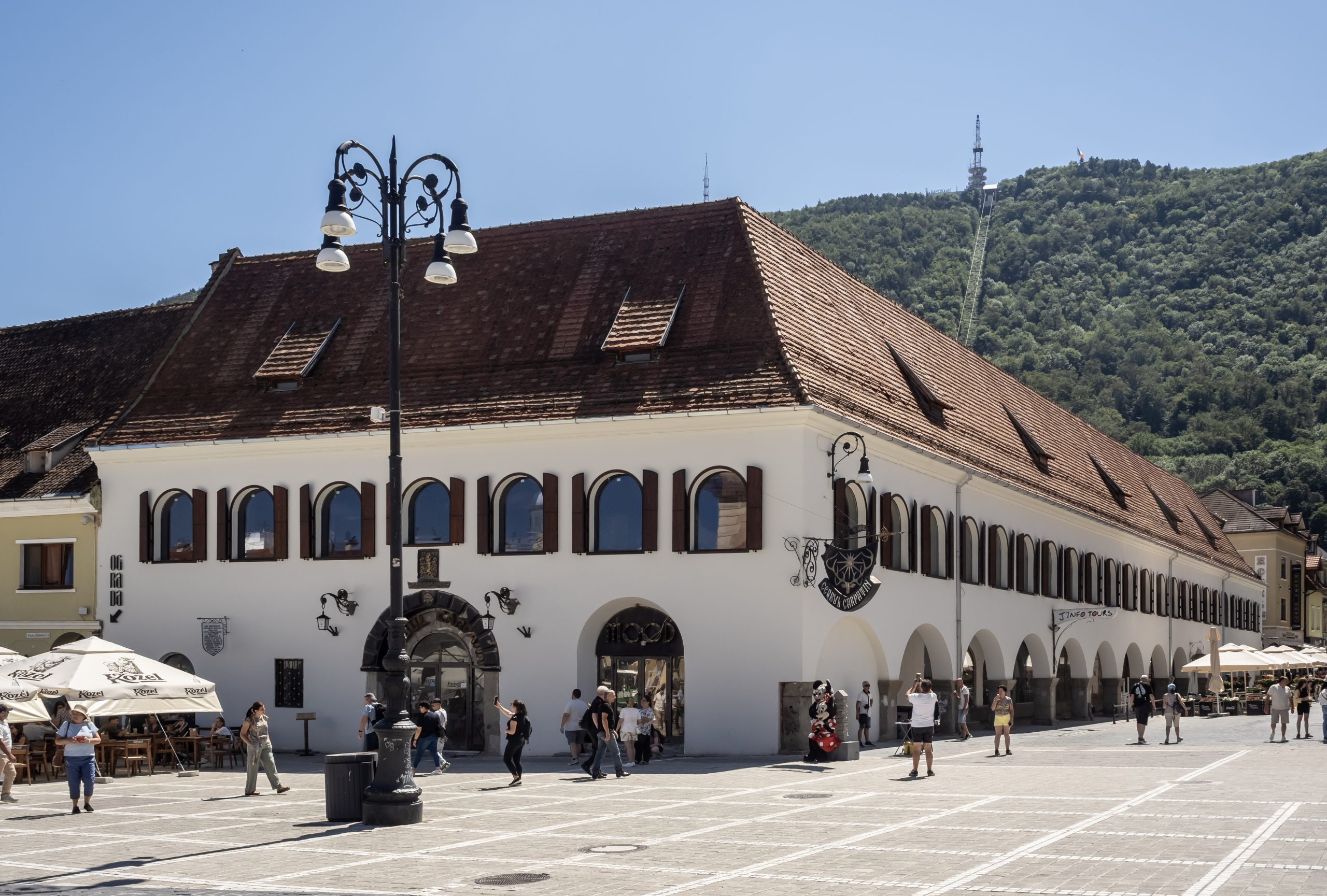
A prime example is City Grill Group, the largest Romanian-capital restaurant chain, which closed 2025 with a consolidated turnover of €90 million. The group recently announced plans to renovate the famous Cerbul Carpatin restaurant. “The group invests in buildings that tell a story, where the public is drawn to an experience that is difficult to replicate in any other context or location,” company officials explained.

The chronology of recent developments points to a clear trend, note analysts at The Seller & Partners: where residential development builds up, retail inevitably follows. The current investor strategy targets high-density population clusters, shifting focus from general “high-footfall” thoroughfares to specific, localized communities. New projects are strategically positioned at the intersection of commuter flows between residential neighborhoods and business hubs, transforming retail into an essential proximity service.

Looking Ahead

Moving forward, the dynamics of the retail sector will remain intrinsically linked to medium and large-scale urban expansion. The growth of districts such as Tractorul Nord, Bartolomeu, or the new residential axis in the Astra-Noua area serves as the catalyst for the next phase of commercial construction. The strip mall is no longer an isolated project, but a mandatory component of the urban mix, validated by the modern consumer’s need to save time.

The Bottom Line: High-street retail and proximity retail parks currently represent the most resilient asset class in Brașov. In a market deemed “fully covered,” survival and profitability now hinge on developers’ ability to accurately read the city’s new residential maps and deliver retail spaces exactly where “the lights go on” in the newly completed apartments.

IULIUS launches TILIA – Today’s Ideas and Leadership In Action (Summit of Romanian Cities), in partnership with the European Bank for Reconstruction and Development (EBRD)

IULIUS launches TILIA – Today’s Ideas and Leadership In Action (Summit of Romanian Cities), in partnership with the European Bank for Reconstruction and Development (EBRD) 2560 1707 ROMANIA PROPERTY CLUB
Iulius launches Tilia – Today’s Ideas and Leadership In Action (Summit of Romanian Cities), in partnership with the Euro
  • IULIUS launches new national initiative dedicated to concrete solutions for the development of Romanian cities.
  • The first edition of TILIA Romanian Cities Summit will take place in Iasi on April 23-24, 2026.
  • Over 300 leaders from administration, investment and financing, architecture and civil society gather in Iasi to discuss urban planning and mobility, public-private partnerships and affordable housing.
  • EBRD, one of the largest institutional investors in Romania and a leader in urban regeneration and sustainable real estate, joins TILIA as strategic partner to advance practical, finance‑ready solutions for greener, more inclusive cities.
  • First ever architectural exhibition from Foster + Partners, a renowned international architecture firm, to open to public at the Palace of Culture in Iași. Available for visit April 7 – May 3, 2026.

IULIUS announces the launch of TILIA – Today’s Ideas and Leadership In Action, a national initiative dedicated to concrete solutions for the development of Romanian cities. Implemented through the IULIUS Foundation, TILIA marks the beginning of an annual initiative of dialogue and collaboration for urban development. The first edition of the Romanian Cities Summit will bring together, on April 23–24, 2026, at the Palace of Culture in Iași, over 300 mayors, architects, urban planners, representatives of international financial institutions, academia and civil society, to build together applicable solutions for a better life in Romania’s cities. The summit will be complemented by a national premiere architecture exhibition that can be visited at the Palace of Culture between April 7 and May 3.

The ambition of the initiative is to become an annual benchmark for all actors involved in the transformation of cities in Romania – a space for dialogue in which the urban vision is directly connected with concrete financing and implementation mechanisms, in order to generate real solutions and collaborations that can be put into practice.

Raluca Munteanu Iulius – photo 1

“We often talk about cities either in terms of the future or looking backwards. Through TILIA we want to bring the conversation to the present, to what we can do concretely, today, for the cities in which we live. We thought of this approach as a framework in which administrations, investors, architects, academia and civil society work together, not only to generate ideas, but to transform them into applicable solutions, based on real examples and on the application of lessons learned and on the exchange of good practices” said Raluca Munteanu, Development Director, IULIUS.

Zinchuk Victoria Berd

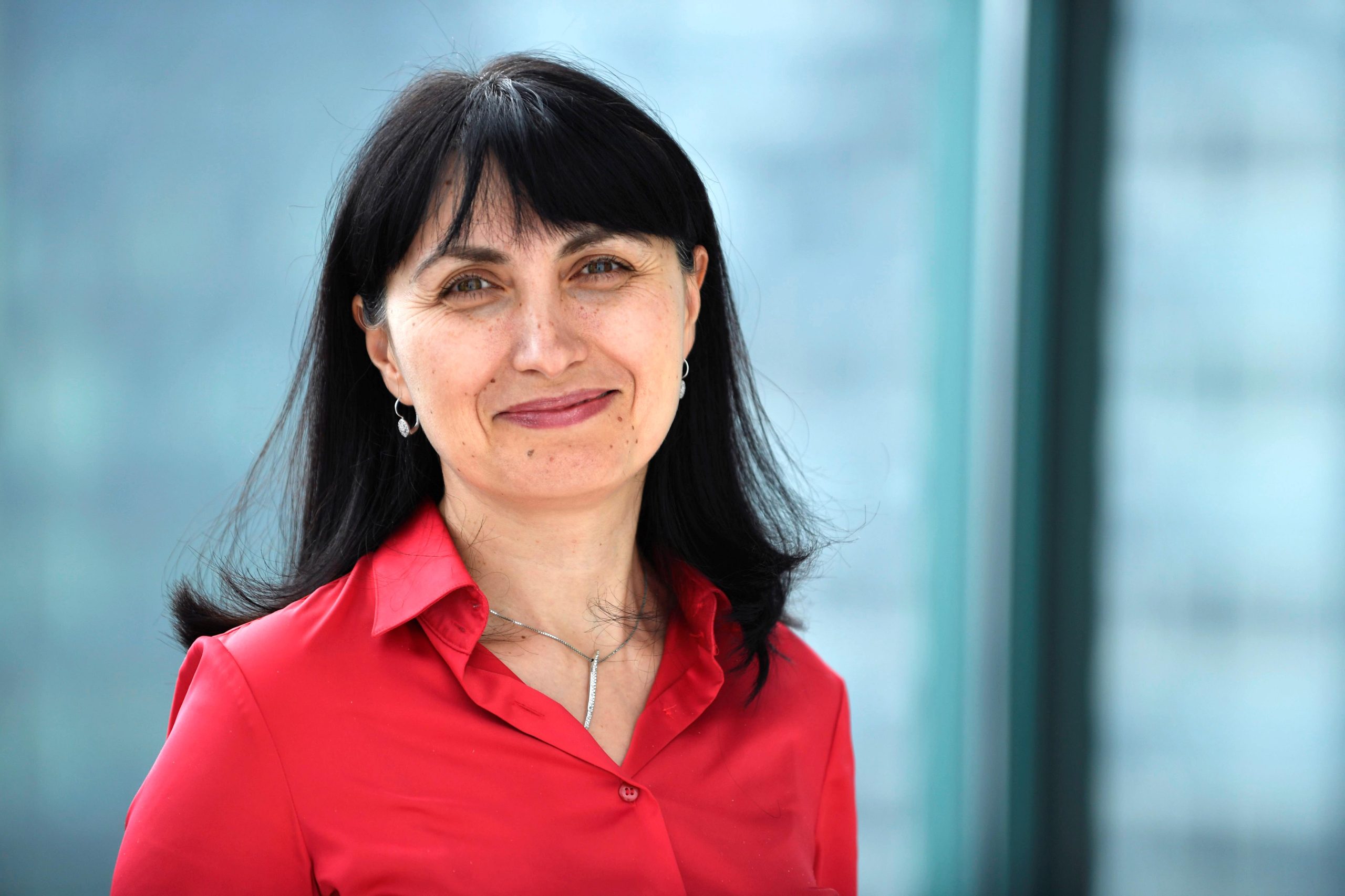
“The EBRD is delighted to partner with IULIUS in TILIA, bringing Romania’s cities into the spotlight and working together to chart practical pathways towards greener urban spaces, better housing standards and more inclusive communities. We’re excited to lend our expertise to drive the initiative forward.” said Victoria Zinchuk, EBRD Director, Head of Romania.

Future Proof: Foster + Partners architectural exhibition (April 7 – May 3, 2026, Palace of Culture, Iași)

One of the key moments of the first edition is the exhibition, Future Proof by Foster + Partners, presented for the first time in Romania. Recognized worldwide for emblematic projects on six continents and built projects in over 45 countries, Foster + Partners will bring to the Palace of Culture in Iasi 30 models, 3D modulations of representative international projects.

The opening of the exhibition will take place on April 7, 2026, and the works can be visited until May 3, 2026 at the Palace of Culture in Iași – offering the general public, but also professionals in the field, the opportunity to explore decades of world-renowned architecture and urbanism, from Apple Park to the Great Court at the British Museum, the Reichstag (the new building of the Berlin

The exhibition reflects Foster + Partners’ approach to architecture and urbanism, built over more than five decades, around responsible, adaptable and sustainable design. From interventions on historic buildings to masterplans for low-carbon cities and urban systems, the projects presented explore how infrastructure, energy and public spaces can contribute to the development of resilient communities.

Maximilian Zielinski Foster + Partners

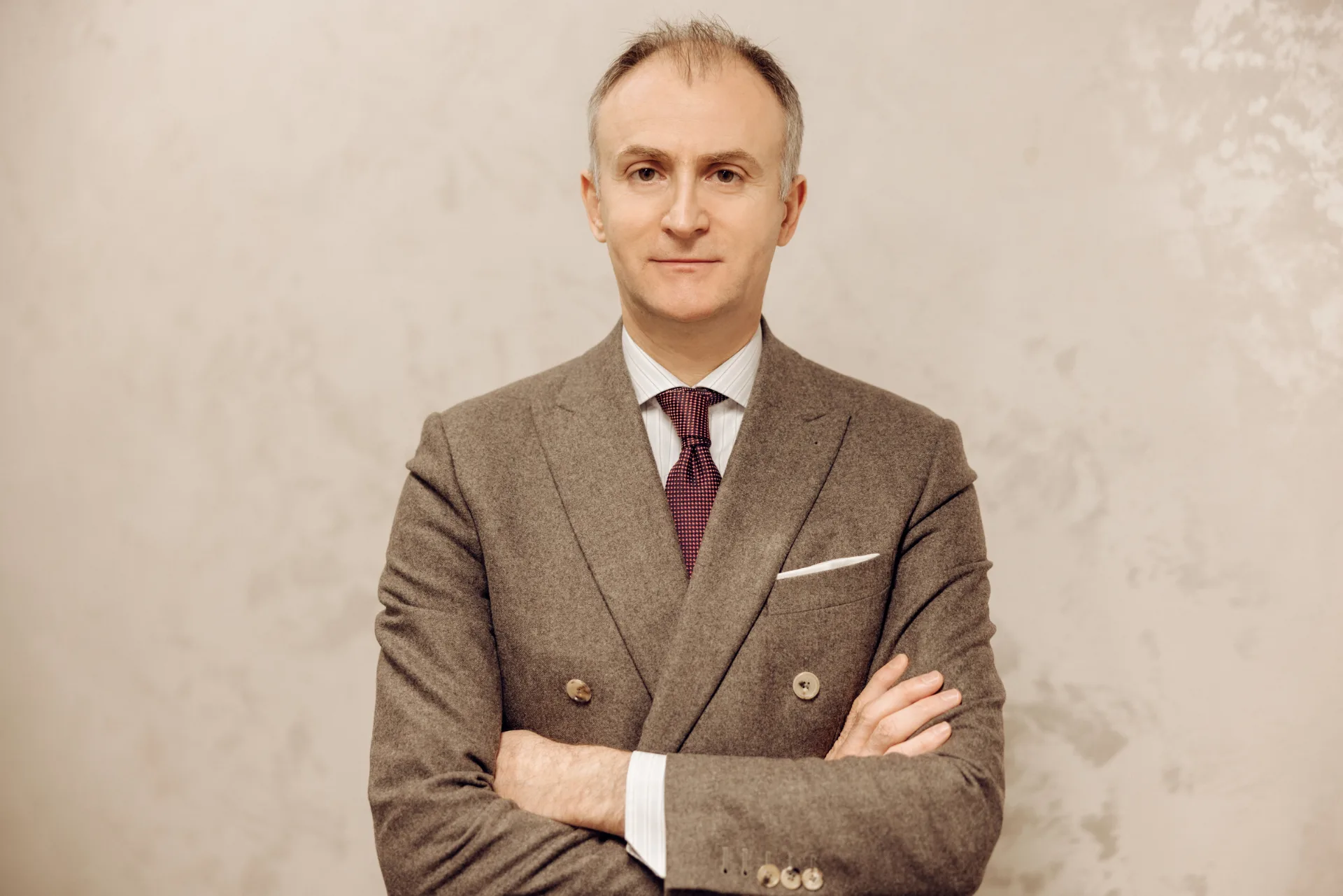
Maximilian Zielinski, Senior Partner, Foster + Partners, said: “This is an exciting opportunity to present over five decades of the practice’s work to the people of Iași – inside an incredible building that is the centrepiece of our new masterplan for the historic area. The exhibition sheds light on our approach, which has always been defined by a future-facing commitment to innovation and responsible design”.

During the TILIA – Today’s Ideas and Leadership In Action, the exhibition will be complemented by a masterclass held by the Foster + Partners team, giving architects, urban planners and decision-makers the opportunity to dialogue directly about the application of these principles in real projects.

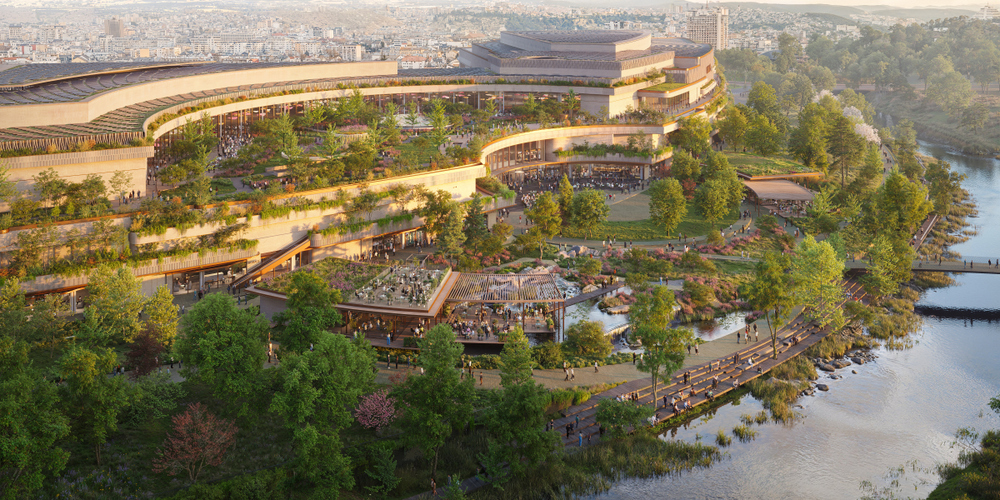
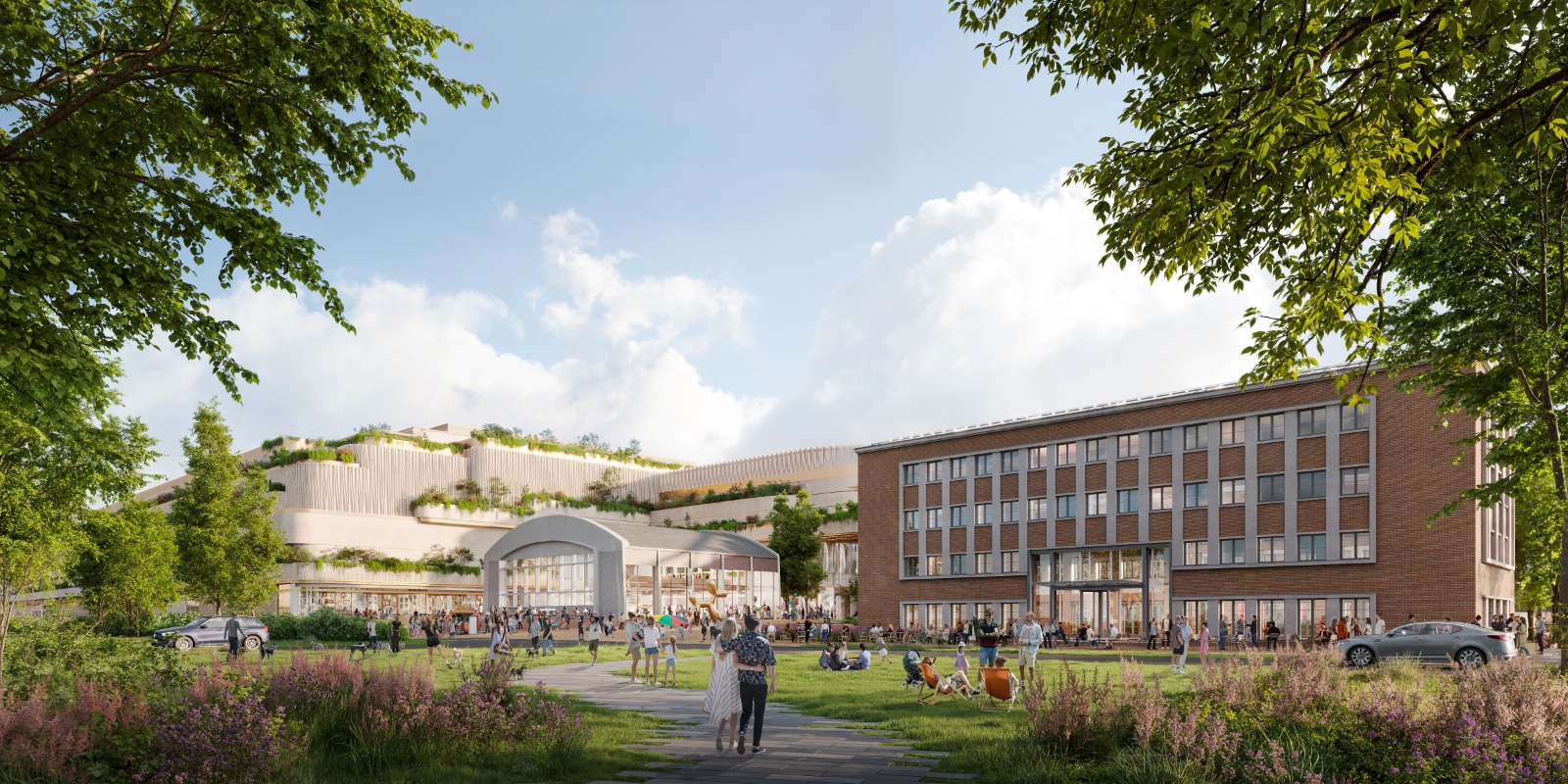
IULIUS entered a new strategic phase in its development and partnered with Foster + Partners on two projects that were underway: the redevelopment of the Palas mixed-use complex adjacent to the Palace of Culture in Iași, and a vision for the urban regeneration of 38 hectares of former industrial land in central Constanța.

Romanian Cities Summit: from vision to implementation (April 23-24, 2026, Palace of Culture, Iași)

The first edition of the Romanian Cities Summit is built around the idea that cities transform when vision and implementation are approached together.

Day one, April 23 – Urban Vision and Design – explores the principles behind vibrant and people-oriented cities, with international perspectives and case studies in urban regeneration.

The next day, April 24 – Financing and implementation – moves the discussion from vision to concrete mechanisms: financing urban projects, structuring public-private partnerships and solutions for one of the most pressing urban challenges: affordable housing.

Full agenda is available on TILIA official website.

On the main stage, representatives of commercial banks, international development finance institutions together with public policy experts will debate the current challenges of cities – from financing to the legislative framework – with the aim of generating solutions that can then be taken over by all the actors involved.

In parallel, on the second stage, Cities in the Making: Design, Culture and Nature explores the forces that shape the character of a city – from architecture and creative industries, to mental health and green infrastructure.

At TILIA – Today’s Ideas and Leadership In Action, the Romanian Cities Summit, an event held between April 23-24, in Iași, over 300 participants – mayors, architects, urban planners, representatives of academia and civil society – are expected to discuss concrete solutions for the development of cities in Romania.

About TILIA – Today’s Ideas and Leadership In Action

TILIA – Today’s Ideas and Leadership In Action, the Summit of Cities in Romania, is an initiative developed by the IULIUS group, through the IULIUS Foundation, dedicated to concrete solutions for the development of cities in Romania.

TILIA is designed as an annual initiative, which brings together public administrations, investors, financial institutions, architects, academia and civil society in an implementation-oriented framework of dialogue and collaboration.

TILIA aims to become a benchmark for collaboration between actors involved in urban development in Romania.

Details: www.tilia-summit.ro

Rivus Cluj Napoca Iulius 01 – photo 1

IULIUS and Atterbury Europe have started construction on RIVUS Cluj-Napoca, the largest urban reconversion real-estate development underway in Romania

IULIUS and Atterbury Europe have started construction on RIVUS Cluj-Napoca, the largest urban reconversion real-estate development underway in Romania 1000 500 ROMANIA PROPERTY CLUB
Rivus Cluj Napoca Iulius 01 – photo 1

RIVUS Cluj-Napoca, the project developed by IULIUS and Atterbury Europe, is entering the implementation phase. With an investment estimated upwards of half-billion Euro, this is the most extensive real-estate development underway in Romania. The endeavor is transforming Carbochim, the former industrial platform now relocated and upgraded, into a landmark destination with a mix of uses customized to the dynamics of Cluj-Napoca City: cultural, educational, entertainment, office, retail, park, and outdoor leisure spaces. The concept was designed together with the notorious international architecture firm UNStudio, and emphasizes sustainability, fluid integration, community and local identity – https://www.youtube.com/watch?v=AEyhkj7fbYA&feature=youtu.be.

  • More than 550 million Euro in transforming 14 hectares of brownfield into a regional urban destination
  • Reconversion of two industrial heritage buildings and integrating them in the cultural and public circuit.
  • Largest leasable retail area – 142,000 sqm, with more than 70% thereof already pre-leased.
  • 400-plus stores, national and regional premieres, concepts highly anticipated by the community: Cineplexx (including IMAX technology and outdoor cinema), JUMBO, Hype by Kiddo entertainment concept, the largest Cărturești concept-bookstore, Auchan hypermarket, etc.
  • Cultural and entertainment hub for all ages, with regional impact.
  • The largest green syndicated loan granted to a real-estate development in Romania – 400 million Euro, conditional upon the LEED Platinum and EDGE Advanced standards.
  • Providing accessibility to the Someș riverfront, adjacent to the project, for the community, including via a green connection with the nearby parks (Feroviarilor Park and Armătura Park).
  • A new park spanning 52,000 sqm, with 700 mature trees, more than 100,000 decorative plants, green roof and green façades.
  • Implementing the mobility strategy – four lane road bridge and two pedestrian walkways across Someș, upgraded perimetral streets, etc.
  • 7 million Euro – investment in relocating and upgrading Carbochim factory.

RIVUS Cluj-Napoca entails the reconversion of an underutilized former industrial platform into an integrated mixed-use complex, open to the community and focusing on cultural, green, office, retail and entertainment uses. Designed as a socioeconomic development hub for Cluj-Napoca, the project supports key directions in the city’s urban strategy, including the consolidation of the green-blue corridor by landscaping the Someș riverfront and making it accessible.

Last year, this project was the beneficiary of the largest financing contract granted to a real-estate development in Romania, in the amount of 400 million Euro. Structured as a syndicated green loan between Erste Bank (Lead Arranger), BCR, EBRD and BRD, the financing is conditional upon the achievement and maintenance of the highest international sustainability standards (LEED Platinum and EDGE Advanced) and covers the entire investment cycle, from development and operation to refinancing. The concept for this project was developed in collaboration with the prestigious international architecture firm UNStudio and is based on in-depth market analyses and an extensive community consultation process, so it strategically caters to the public’s expectations for the mix of uses and the urban experience provided.

Sorin Guttman Project Manager

“RIVUS was designed as a mixed-use project, navigating around three essential directions: nature, culture, and family-oriented entertainment solutions. The project will give back to the city what has been previously a publicly inaccessible area, integrating it naturally in the urban structure and routes of Cluj City. The concept being tailored to the residents’ expectations and to the needs and development goals of the city, as well as the expertise and partnerships consolidated by IULIUS during its 25 years of business operation in the market, are the main aspects that gained the trust of our lenders and partners in this project. We are building a landmark project for the Romanian real-estate market, that draws significant interest from retailers, as evidenced by our lease occupancy ratio that is already upwards of 70%, which to us is a clear indicator of market confidence in the concept and its long-term potential. We are confident that RIVUS Cluj-Napoca will be a landmark for urban regeneration nationwide and beyond, a complex with an identity of its own, built together with and for the community, designed to be an active part of the city, and steadfastly focused on the future,” said Sorin Guttman, RIVUS project Manager.

Rivus Cluj Napoca Iulius 02 – photo 1

The most extensive urban lifestyle destination in Romania

RIVUS Cluj-Napoca will be the most extensive lifestyle center in Romania and a major hub for the entertainment segment nationwide. The project will feature more than 400 stores and a total leasable retail area spanning 142,000 sqm, in a complete mix of fashion, beauty, sports, jewelry, health & wellness, services, food & beverages, home & deco, entertainment, educational and cultural uses, etc. RIVUS will bring regional and national premieres to Cluj, including the most highly anticipated brands as indicated by the market studies conducted in the region: JUMBO, the IMAX technology introduced by Cineplexx for the first time in the region, the largest Cărturești concept-bookstore, HYPE by Kiddo’s entertainment center for all ages, Auchan hypermarket. The offer will be complemented by concepts developed by local entrepreneurs, which will represent more than 20% of the mix. Furthermore, the gastronomic scene will feature approximately 30 concept-restaurants and themed coffee shops, including notorious international brands, as well as national concepts.

The cultural component marks a strategic pillar of this project, by reconverting two industrial heritage buildings and integrating them in the public circuit. The former furnace hall, namely the Arcade Hall, will be transformed into a live arts center, operated in partnership with the local cultural community, while the former red brick façade administrative building, an icon of the industrial history of the area, will continue to accommodate administrative and public service uses.

Rivus Cluj Napoca Iulius 03 – photo 1

A new green urban hub, supported by efficient integrated mobility

A defining element of the project is the green component, a hallmark of IULIUS’ urban regeneration projects. RIVUS will integrate 52,000 sqm of landscaped green spaces, directly connected to Feroviarilor Park and Armătura Park, contributing toward the expansion and consolidation of the green infrastructure in the area up to a total area of 140,000 sqm. The landscaping concept integrates a roof garden and green façades, as well as the planting of more than 100,000 decorative plants and 700 mature trees, with the latter currently acclimating in a nursery accommodated by the Cluj-Napoca University of Agricultural Sciences and Veterinary Medicine (USAMV Cluj), so that the project offers a high level of environmental comfort from the very first day of operation.

The project will be sustainable down to the smallest details: nZEB building development, design showcasing and securing a connection with Someș River, using natural materials, maximizing natural lighting levels in indoor spaces, as well as energy efficiency, infrastructure conducive to environmentally friendly transportation, alleys that allow for water circulation, landscaping geared towards supporting biodiversity, renewable energy production, etc.

The project enjoys a strategic position, with regional accessibility and direct connectivity to the existing urban grid, and the investments undertaken by IULIUS in the agreement signed with the Municipality will substantially contribute in upgrading the mobility infrastructure in the area. The list of works thereunder features the building of a new road bridge across Someș River, including four lanes, sidewalks and bicycle lanes, two pedestrian walkways, upgrading Porțelanului Street and Câmpul Pâinii Street, the development of approximately 3,200 meters of bicycle infrastructure, as well as the fitting of up to 4,800 parking spaces (of which 900 will feature electric vehicle charging stations) and 1,600 bicycle parking spaces.

The urban regeneration process was supported by an investment upwards of 7 million Euro in the relocation and upgrading of Carbochim factory, an essential step to continuing the manufacturing activity, which is a rarity in the local real-estate industry. The factory is still operating today, retained its employees, and conducts its business in substantially improved technological and operating conditions, which further emphasizes the responsibility and sustainability of the entire undertaking.

Discover the largest urban reconversion project in Romania at www.rivus.ro and on its social media platforms at http://www.instagram.com/rivuscluj and www.facebook.com/rivuscluj.

Record Park Cluj Fia Imobiliar BT Property

FIA Imobiliar BT Property extends its footprint in the premium office segment through the aquisition of Record Park

FIA Imobiliar BT Property extends its footprint in the premium office segment through the aquisition of Record Park 1024 768 ROMANIA PROPERTY CLUB
Record Park Cluj Fia Imobiliar BT Property

BT Property, an alternative real estate investment fund for professional investors, managed by INNO Investments SAI SA, a company part of Banca Transilvania Financial Group, has acquired Record Park from AYA Properties Fund (Belgium).

  • Launched in 2021, FIA Imobiliar BT Property invests primarily in real estate assets and real estate companies that generate potential returns and long-term value growth.
  • Until 2025, the fund was managed by BT Asset Management, and since October last year, the new manager is INNO Investments, which specializes in managing alternative investment funds. INNO Investments is the former OTP Asset Management Romania SAI SA, which joined Banca Transilvania Group following the acquisition of OTP Bank Romania and its subsidiaries.
  • The portfolio comprises retail, office, and medical properties with a total leasable area of approximately 43,000 sqm, including the latest acquisition. The fund manages assets amounting to approximately EUR 79 million and has generated a return of over 55% since its launch.

Record Park, an example of urban regeneration and an asset with strategic value

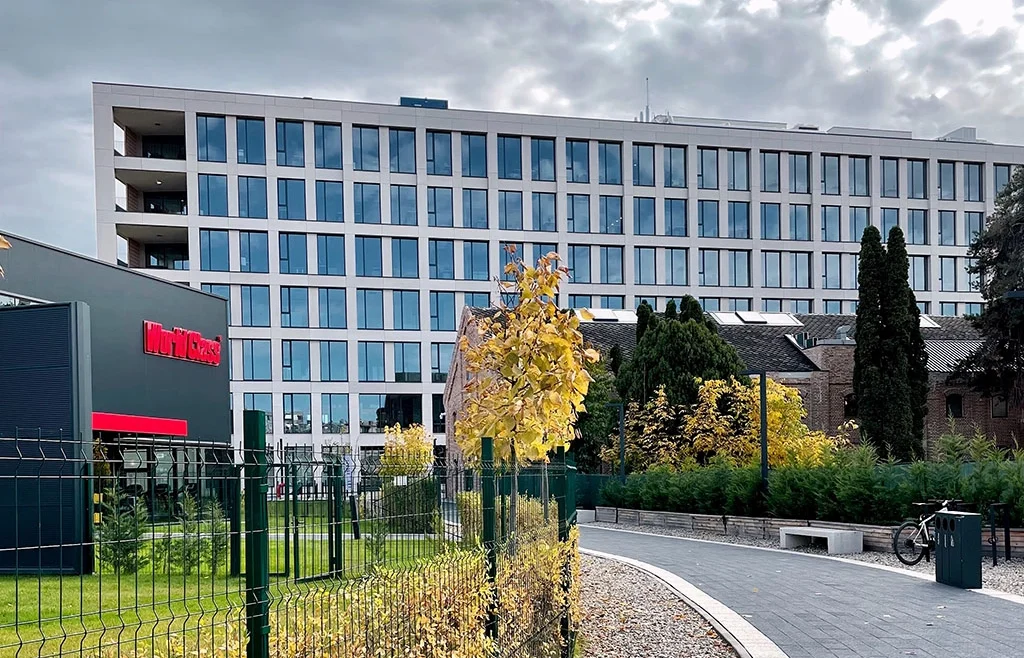
Record Park is a AAA-class office complex located in a premium area of Cluj-Napoca, with approximately 15,000 sqm of high-end office premises leased to international companies. The complex integrates a wide range of services and facilities—a fitness center and swimming pool, restaurant, co-working spaces, and an underground parking lot with over 200 spaces.

Developed in 2020, the project transformed a former industrial area into a contemporary mixed-use complex, maintaining maximum occupancy from the outset. Built on the principles of Transit-Oriented Development (TOD) – an urban model that prioritises connectivity – and certified BREEAM Excellent, Record Park reflects high standards of sustainability and operational efficiency.

Mateusz Siejka, Chief Investment Officer, AYA Properties Fund: “We are very proud of this transaction. It is the first closing of an investment cycle within AYA and is a perfect example of how we approach real estate investments: from identifying an opportunity, acquisition and stabilization, to maturing the project and selling it to an institutional investor at a market-aligned valuation. I am grateful to our partners at INNO Investments for the constructive negotiations and for a professionally conducted transaction process. We remain active and aim to add new assets to our portfolio.”

Vlad Micu, CEO, INNO Investments: “We chose Record Park because of its strategic location, the quality of its construction, and its mix, which responds very well to the current needs of companies and the local community. Both the return offered to investors and the quality of the real estate assets in which the fund invests are important, taking into account ESG requirements. We would like to thank AYA Properties Fund team for their open and professional collaboration and for the way in which they managed and matured this asset until the transaction.”

Impact of the acquisition

  • Portfolio consolidation: Record Park increases the share of premium assets and increases the exposure of the fund and of INNO Investments in the office segment.
  • Stable income: The diversity of tenants and facilities both support the financial performance of the asset, thus generating a stable income.
  • Cluj is growing: The transaction confirms the potential of Cluj-Napoca office market and the interest of institutional investors in premium projects, which support the urban development and the visibility of the local market.

INNO Investments continues to pursue investment opportunities that capitalize on the dynamics of the Romanian real estate market.