Proinvest Park Miroslava

Iulius Constanta 01 Ro (Large)

Europe’s largest private bioremediation project underway in Constanța

Europe’s largest private bioremediation project underway in Constanța 1918 1080 ROMANIA PROPERTY CLUB
Iulius Constanta 01 Ro (Large)

In central Constanța, on the site of the former Oil Terminal platform, real estate developer IULIUS has launched the largest bioremediation project ever undertaken by a private investor in Europe.

The soil remediation phase represents an investment exceeding €29 million. It marks the second stage—following extensive archaeological surveys—of a broader €800+ million urban regeneration initiative aimed at transforming 38 hectares of contaminated industrial land, left idle for over a decade, into a vibrant, mixed-use district.

HISTORICAL CONTEXT

The site carries a heavy industrial legacy: for nearly a century, it housed an oil storage depot featuring more than 30 petroleum product tanks. Given the age of the facilities and the site’s proximity to the city center after eight decades of operation, traditional mechanical remediation was no longer viable.

The breakthrough came from Romanian scientific research. Specialists at the National Research and Development Institute for Soil Science, Agrochemistry and Environmental Protection (ICPA Bucharest) developed a proprietary formula using natural microorganisms isolated directly from the contaminated soil to biodegrade petroleum hydrocarbons. The non-genetically modified bacterial strains pose no risk to human health or the environment, leveraging an enhanced natural degradation process to significantly shorten the site’s recovery timeline.

THE THREE-STAGE BIOREMEDIATION PROCESS

The entire process is being conducted fully on-site through three distinct phases:

  • Soil Bioremediation: Excavated earth is sorted, processed, and arranged into biopiles—structured mounds mixed with compost and organic fertilizers. These are inoculated with the selected microorganisms and maintained under optimal moisture, temperature, and aeration conditions.
  • Contaminant Isolation: A high-density geomembrane lines the base of the excavation, physically preventing any horizontal or vertical migration of pollutants.
  • Groundwater Treatment: A hydrogeological barrier consisting of perimeter wells diverts contaminated groundwater to an on-site treatment facility. The purified water is then recycled for safe operational uses, such as site cleaning and green space irrigation.

INTEGRATED MULTIDISCIPLINARY EXPERTISE

The project brings together top-tier international and domestic expertise. Dr. Anca-Rovena Lăcătușu, Head of Laboratory at ICPA Bucharest, developed the bio-inoculum technology. Water treatment operations are handled by Hoelscher Wasserbau, a leading German environmental engineering firm with over 60 years of industry experience. Engineering design was overseen by Auditeco, led by Cicerone Ionescu, bringing nearly three decades of expertise in environmental compliance and remediation.

To scale the technology, IULIUS invested over €420,000 in research infrastructure:

  • ~€300,000 to equip an ICPA laboratory dedicated to microorganism cultivation.
  • ~€120,000 to establish a chemical analysis laboratory at Ovidius University in Constanța.

VISION: “CONSTANȚA 365”

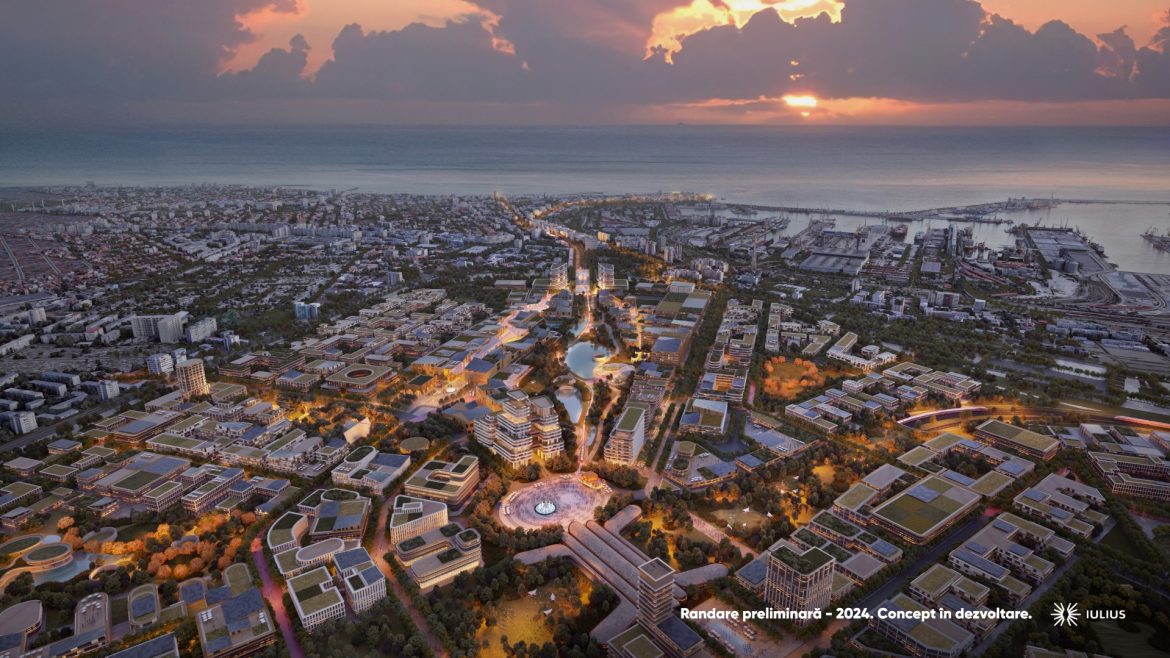
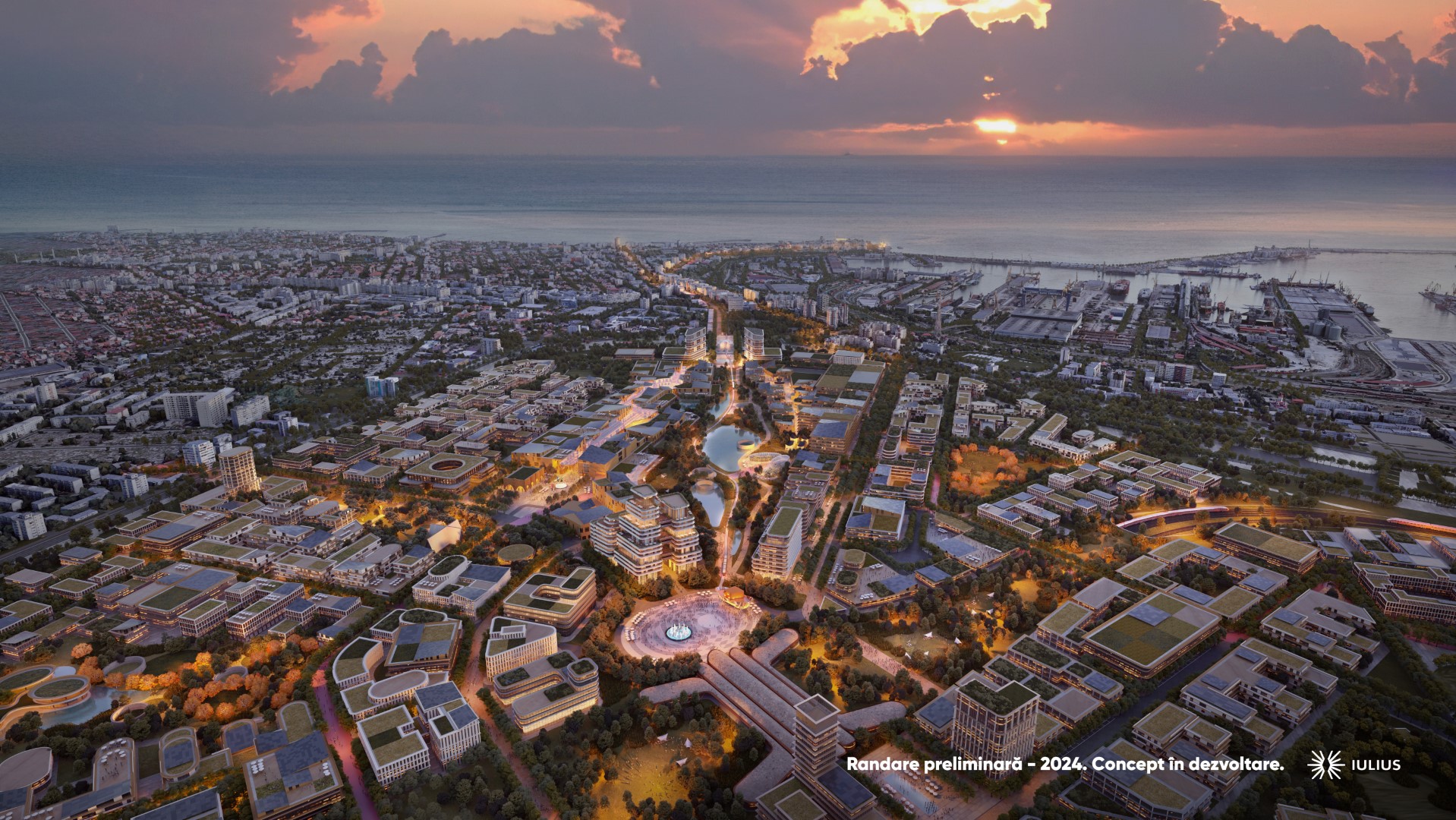
Beyond environmental restoration, the ultimate goal is urban transformation. IULIUS is advancing Romania’s largest urban regeneration concept—a mixed-use master plan designed by world-renowned architecture firm Foster + Partners to establish Constanța as a year-round destination.

The development will feature cultural and educational venues, retail, office space, entertainment, sports facilities, and a central park with a botanical garden (supported by Dobrogea’s first dedicated tree nursery, where over 1,100 mature trees have already been acclimatized). The master plan also prioritizes sustainable mobility through extensive pedestrian, cycling, and road networks.

Under the tagline “Nature works. Science helps. Constanța wins,” the initiative sets a benchmark for industrial brownfield redevelopment—converting a decades-old environmental liability into a safe urban asset while paving the way for similar soil restoration projects across the region.
Constanta Port

Port of Constanța acquires Giurgiulești Port in Moldova & signs agreement with UAE’s AD PORTS GROUP

Port of Constanța acquires Giurgiulești Port in Moldova & signs agreement with UAE’s AD PORTS GROUP 2309 1299 ROMANIA PROPERTY CLUB
Constanta Port

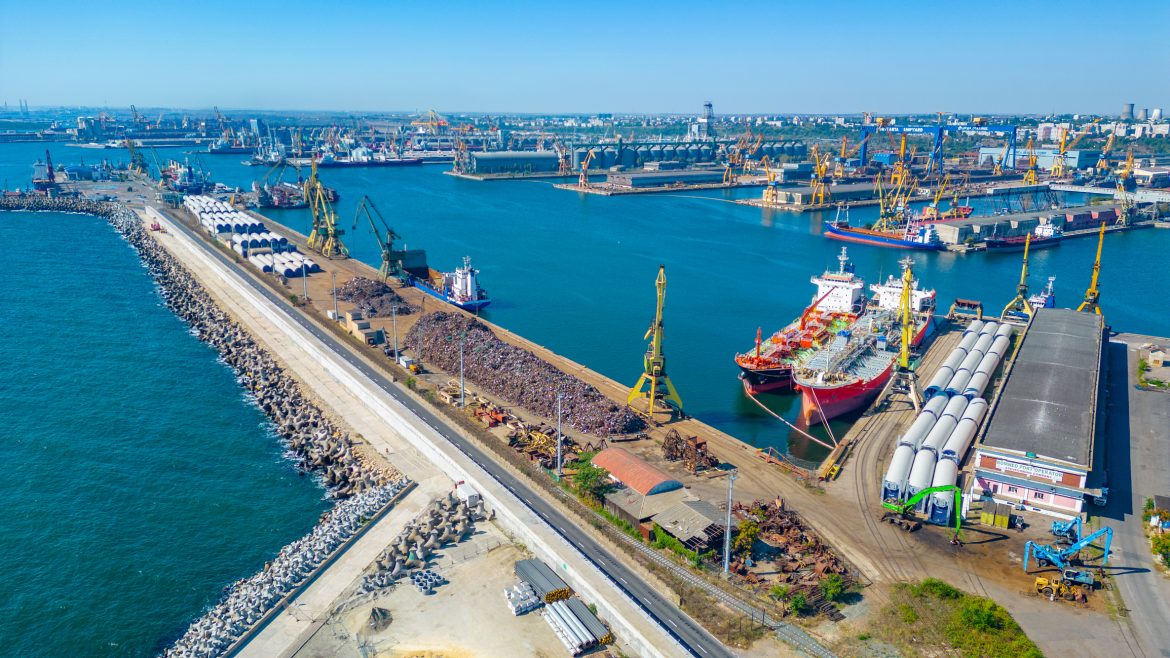
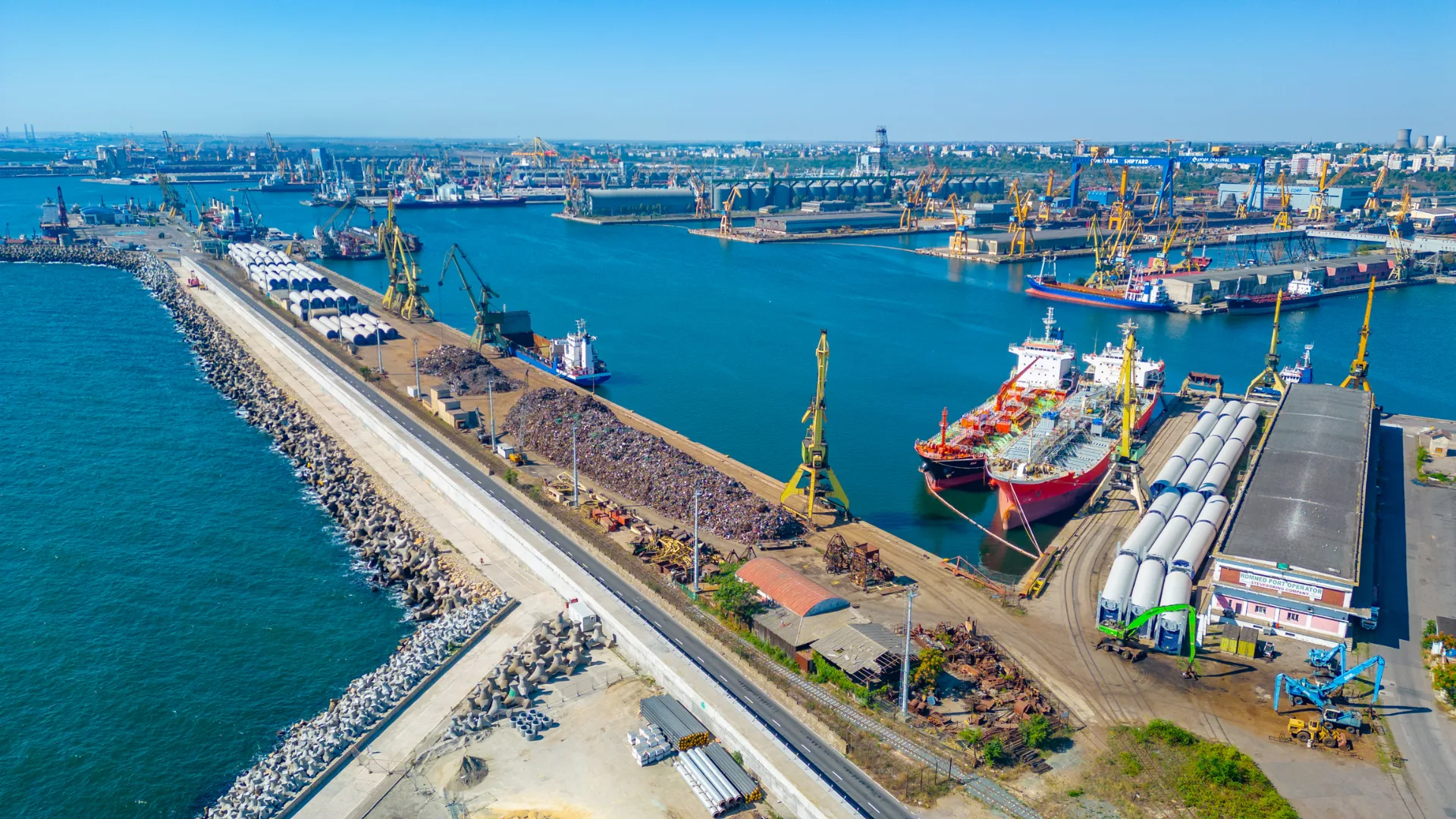
Following the exceptional years driven by Ukrainian transit, the Port of Constanța has entered a clear stabilization phase. Freight traffic through the port totaled 67.5 million tonnes in 2025, marking a 12.6% decline compared to 2024. For context, 2023 remains the benchmark year, when the port reached a record high of 92 million tonnes of cargo handled. As such, the decline over the past two years reflects a return to structural levels rather than an operational crisis.

The drop was even more pronounced along inland waterways: cargo volume on the Danube–Black Sea Canal reached 14.5 million tonnes in 2025—down 21.1% from 2024. Total ship transits fell from 25,683 to 21,906 (−14.7%), with foreign-flagged vessel transits dropping by 30.6%. This downward trend was apparent from early in the year, with Q1 2025 traffic standing at 15.4 million tonnes (−27% year-over-year).

Key Drivers Behind the Decline

Two primary factors account for the lower volumes:

  • Flow Normalization: Traffic adjusted downward as Ukrainian ports resumed regular operations, reducing the surge in grain transits that inflated figures throughout 2022 and 2023.
  • Domestic Headwinds: Port operators cite rising inflation and sharp tax increases as key drivers, both of which have weighed on labor capacity and future investment plans.

ONGOING INVESTMENTS IN 2026

In contrast to the traffic downturn, the port’s capital expenditure pipeline is accelerating, aimed at bolstering long-term competitiveness:

  • Hinterland Expansion: The acquisition of the Giurgiulești International Free Port was finalized on April 21, 2026—a strategic move expanding Constanța’s regional reach. Romanian authorities have committed to long-term development investments in Giurgiulești to boost capacity, modernize infrastructure, and solidify its position across the Black Sea and Danube basins. The port is also well-positioned to play a pivotal role in Ukraine’s future reconstruction.
  • Dredging Works: A €180 million dredging program across maritime ports (Constanța and Midia) is underway throughout 2025–2026.
  • Rail Infrastructure Upgrade: On February 4, 2026, the winning bidder was announced for Stage III of the rail infrastructure modernization project in the Port of Constanța.
  • EU Funding Absorption: Over €500 million in EU funds is being channeled into road network upgrades, electrical grid enhancements, water and supply networks, and dredging.
  • Strategic Foreign Direct Investment: Representatives from Abu Dhabi Ports Group (AD Ports Group) have voiced formal interest in major investments, with a focus on Piers 3 and 4.
  • Road & Access Connectivity: Works began in April 2026 on a 24 million RON project to rehabilitate and expand port roads and overpasses over a 24-month period, addressing a recognized imbalance between road and rail capacity.
Logistics

Iași Steps Into the Modern Logistics Spotlight

Iași Steps Into the Modern Logistics Spotlight 2560 1829 ROMANIA PROPERTY CLUB
Logistics

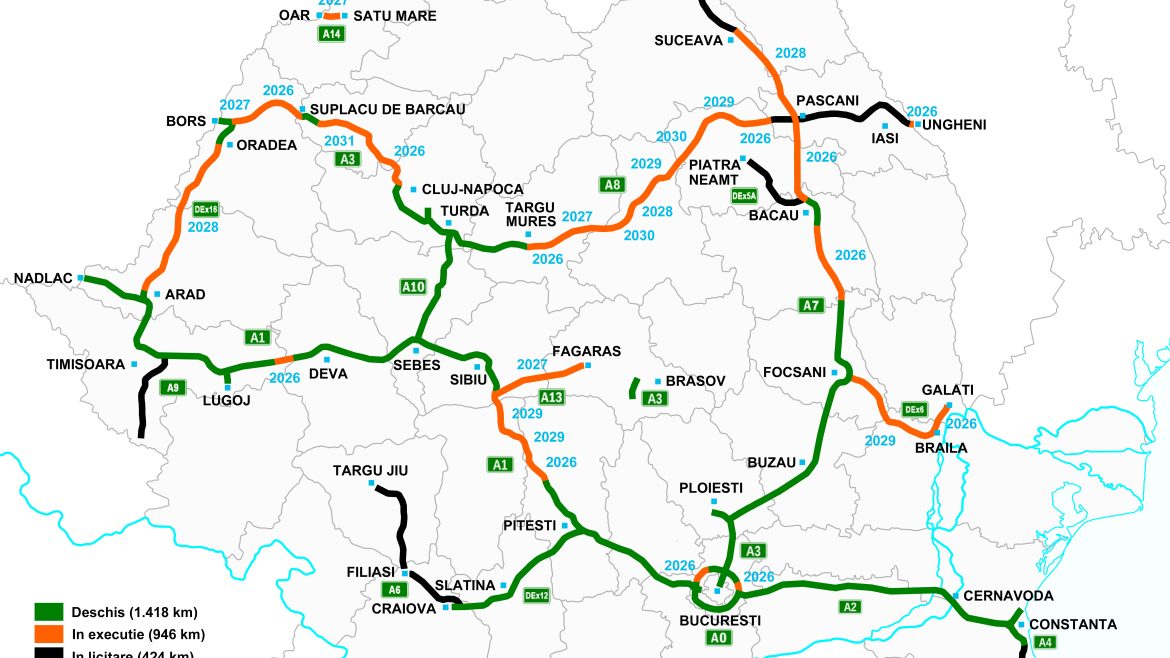
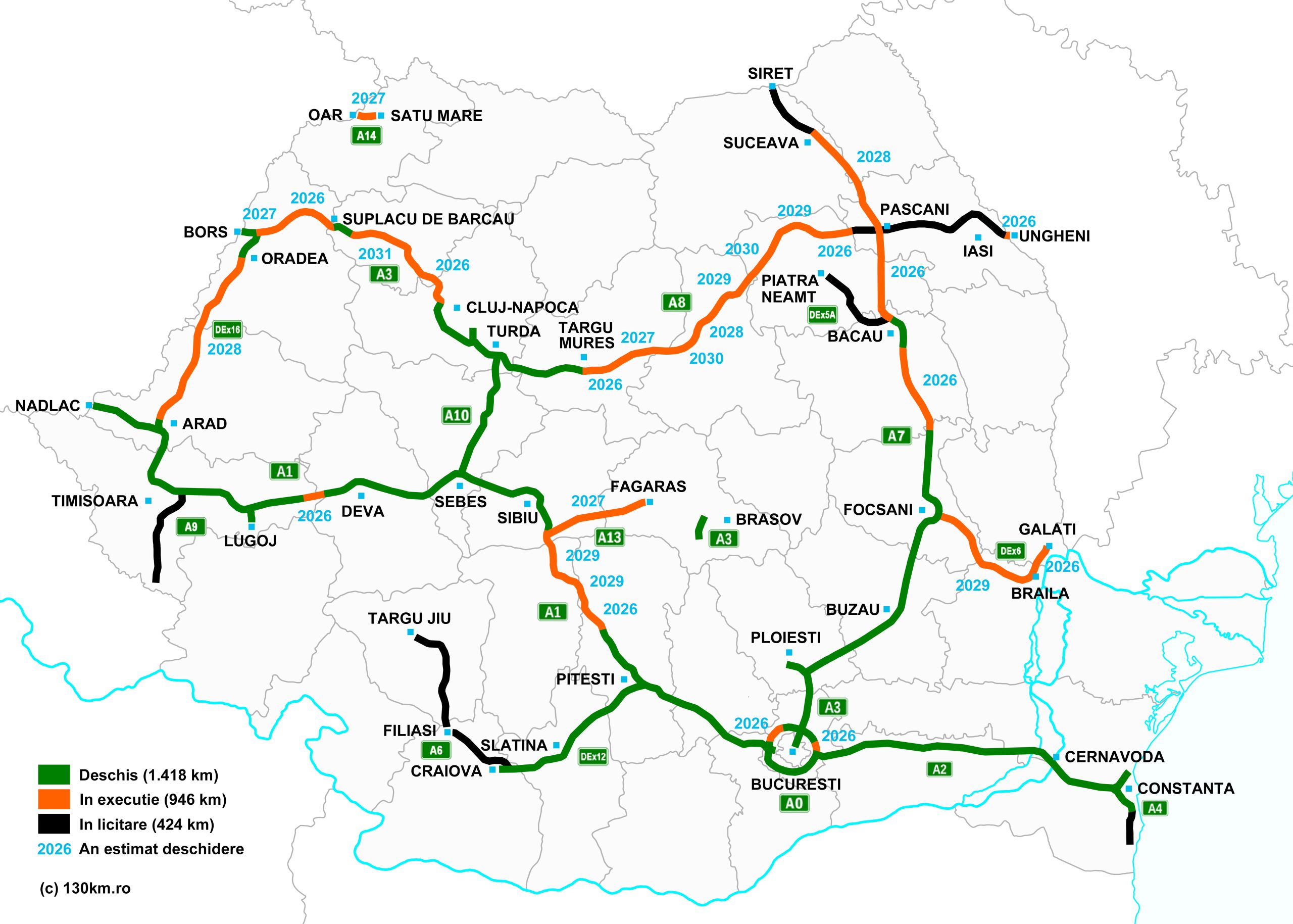
Iași is entering a new phase of industrial development, driven by two major infrastructure catalysts: the A7 motorway (Ploiești–Siret)—set to reach Pașcani by the end of this year—and the A8 motorway (Târgu Mureș–Iași–Ungheni), currently in its early stages with full completion targeted for 2030. Once finished, these two transport arteries will fully integrate the Moldavia region into Romania’s national transport grid and open direct corridors toward the Republic of Moldova and Ukraine—a compelling proposition for logistics and industrial operators eyeing the region.

Current Stock and Pipeline

Despite growing investor appetite, Iași County has historically suffered from an undersupply of modern industrial space. However, the market is shifting rapidly. Over 50,000 sq m are currently under construction, with completions scheduled for 2025–2026:

  • ELI Park Iași (Element Industrial) — 20,000 sq m (2025 delivery)
  • Industra Park Iași (Oresa Ventures) — 16,000 sq m (under development)
  • Proinvest Park Miroslava (Proinvest) — 16,000 sq m (under construction)

An additional 125,000 sq m are in the planning pipeline. According to real estate consultancy iO Partners, this expansion is set to double Iași’s modern industrial stock within a relatively short timeframe.

Rental Rates

Prime Class A industrial and logistics rents in Iași County currently range between €4.2 and €4.6 per sq m per month, depending on unit size and lease terms. Class B properties offer lower-cost alternatives, catering to price-sensitive tenants.

Demand Breakdown

The tenant mix closely reflects the city’s broader economic footprint. The automotive sector historically commands the largest share of occupied space (35%), followed by pharmaceuticals (27%) and retail/FMCG (17%). Pure-play logistics remains underrepresented compared to other Romanian hubs at just 12%—a gap that presents a clear upside and growth opportunity as motorway connectivity improves.