Dana Bordei

Brașov consolidates its status as Romania’s central industrial hub

Brașov consolidates its status as Romania’s central industrial hub

Brașov consolidates its status as Romania’s central industrial hub 2560 1708 ROMANIA PROPERTY CLUB
Brașov consolidates its status as Romania’s central industrial hub

As a region traditionally renowned for its industrial heritage, Brașov ranks as Romania’s fourth-largest industrial hub—following Bucharest, Timișoara, and Ploiești—boasting a total stock of approximately 480,000 square meters. Positioned at the geographical heart of the country, it represents a core area of strategic interest.

According to data from iO Partners, prime Class A industrial and logistics rents in Brașov oscillate between €4.1 and €4.5 per sqm per month, fluctuating based on unit size and lease terms. The profile of major industrial tenants locally mirrors the region’s manufacturing DNA. Consequently, the automotive industry (auto parts) generates roughly 50% of multi-annual demand, followed by light manufacturing (22%), the logistics sector (15%), and retail & FMCG (6%).

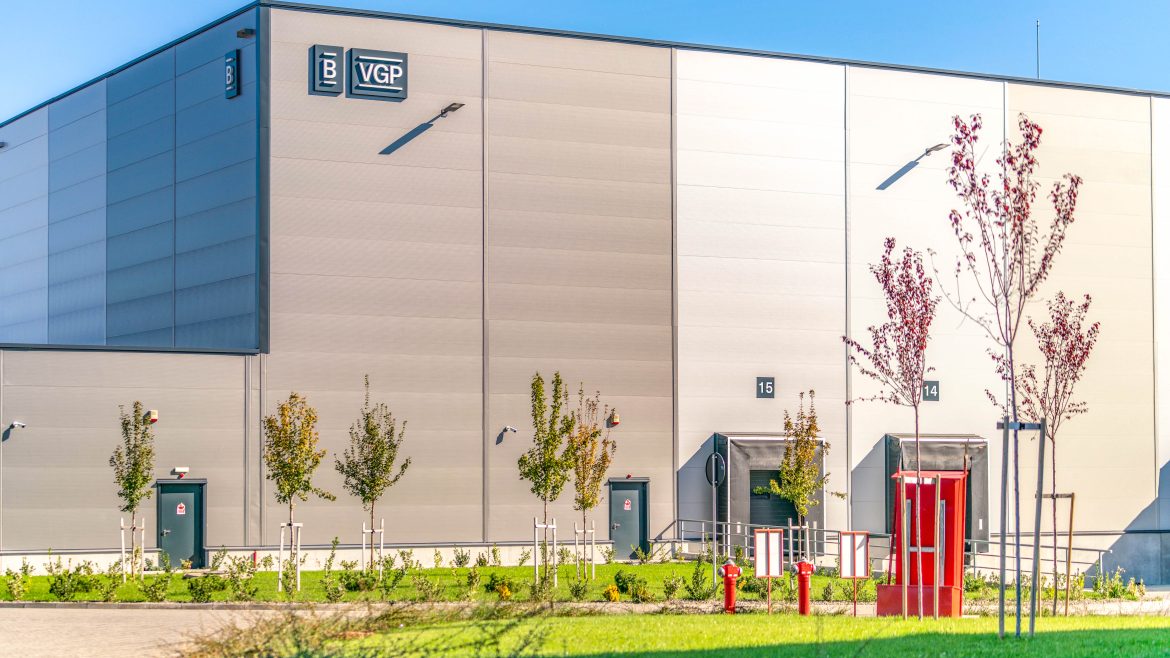
Major institutional investors maintain a strong local footprint and continue to expand. VGP currently has a new 35,000 sqm warehouse under construction. Concurrently, CTP is developing two industrial parks in the region: CTPark Brașov and CTPark Brașov West. Furthermore, M Core is set to launch its first-ever industrial project in Romania here—a 16,000 sqm development. This will be an in-city logistics project, meticulously partitioned into small-business modules.

According to analysts at The Seller & Partners, Brașov is undergoing a phase of organic expansion. This trajectory is fueled by major international players, a nationwide repositioning of the workforce, and forward-thinking urban planning that balances production areas with residential growth.

Investor appetite for industrial land remains high, with a clear focus on the North-West axis. While the strategic triangle formed by Cristian, Râșnov, and Ghimbav continues to attract the bulk of capital placement, development pressure is visibly shifting toward the wider metropolitan area. In 2026, attention is strategically turning toward Codlea. Its geographical positioning is evolving into an unbeatable competitive advantage: immediate proximity to Brașov International Airport and a direct connection to the future highway interchanges leading toward Sibiu (A13) and the Moldova region.

Dana Bordei (Large)

INSIGHTS FROM THE EXPERT

Dana Bordei, Country Commercial Manager, VGP Romania

Q: Brașov is a traditional manufacturing destination. What were the main challenges over the past year, and where do you see future growth opportunities?

Dana Bordei: Over the past year, the market has been shaped by several converging pressures: higher financing costs, continuous sensitivity toward construction and fit-out budgets, and a more cautious tenant base hesitant to make early commitments.

Simultaneously, occupiers have raised the bar regarding energy performance and operational cost predictability. This shift has moved negotiations away from mere base rents toward total occupancy costs and sustainability certifications. In essence, projects capable of delivering modern specifications, energy efficiency, and flexible unit sizing have consistently managed to capture demand.

Looking ahead, Brașov’s growth opportunity lies in its role as Romania’s central hub, both for production-adjacent operations and regional distribution. We see sustained demand coming particularly from: * Automotive and industrial supply chains (including suppliers and light assembly); * 3PL (Third-Party Logistics) and contract logistics servicing Transylvania and broader national coverage; * Pharmaceutical and healthcare distribution; * Companies seeking more resilient “nearshoring” footprints backed by solid labor access and reliable infrastructure.

At VGP, we have heavily focused on sustainability-driven differentiation, which is increasingly becoming a deal-breaker for international tenants.

Q: What is the current status of the VGP park, and who are the anchor tenants?

Dana Bordei: VGP Park Brașov already hosts an impressive portfolio of tenants spanning a wide array of sectors, such as automotive, pharma, distribution, and manufacturing—a testament to the park’s versatility and market appeal.

Among them are household names such as Inter Cars, Autoliv, RETURO, DB Schenker, Miele Tehnica, and Fildas, among others. These tenants highly value our strategic location, state-of-the-art facilities, and VGP’s unyielding commitment to quality and sustainability, which were key drivers in choosing us as a partner.

Developed on an impressive land footprint of approximately 360,000 sqm, the logistics park is master-planned to meet both current and future market demands, offering a total potential build-up area of 180,000 sqm.

A traditional manufacturing destination, Brașov consolidates its hub status

A traditional manufacturing destination, Brașov consolidates its hub status

A traditional manufacturing destination, Brașov consolidates its hub status 1621 1080 ROMANIA PROPERTY CLUB
A traditional manufacturing destination, Brașov consolidates its hub status

The county is the third largest industrial & logistics hub in Romania, after Timisoara and Ploiesti. Brasov enjoyed a growing modern warehousing & production market, with nearly 16% of the total 470,000 sqm stock being built in the past twelve months.

Moving forward, an additional 13,000 sqm shall be built, as Brasov is one of the few regional hubs with active construction pipelines in 2025. VGP is one of the top three dominant players that is pursuing new developments in the county.

The vacancy rate is one of the lowest in the country – just under 2%, but that is due to the non-speculative character of the region. For comparison, the vacancy rate in Bucharest-Ilfov (the region that hosts half of Romania’s modern stock) is at 5%; in Timisoara, the second-largest industrial & logistics hub, the vacancy rate stands at nearly 11%.

The take-up stood at 16,200 sqm, a significant drop compared to the previous period when jumbo deals such as the 47,000 sqm Intercars pre-lease made headlines. However, the region gave signs of steady, sustainable demand.

The asking headline rents slightly dropped from 4.5 EUR/sqm to 4.4 EUR/sqm due to the market dynamics. The county is dominated by auto and electronics producers, which are under market pressure due to economic developments. This triggered a schedule of mass layoffs and production properties put up for sale. It is to be determined whether this will have long-term consequences or if it is simply a natural transformative period.

Dana Bordei

Dana Bordei, Country Commercial Manager, VGP Romania:

“Brasov, a city with a fast economic growth, is an increasingly strong pole of attraction for national and international companies. VGP Park Brasov enjoys the fastest growth of VGP’s portfolio in Romania, reflecting the robust demand for class A spaces in the proximity of the production units located in the western part of the city.

This region is becoming increasingly attractive for new suppliers and business partners, due to the availability of a qualified workforce and the presence of rapidly developing production and distribution companies.

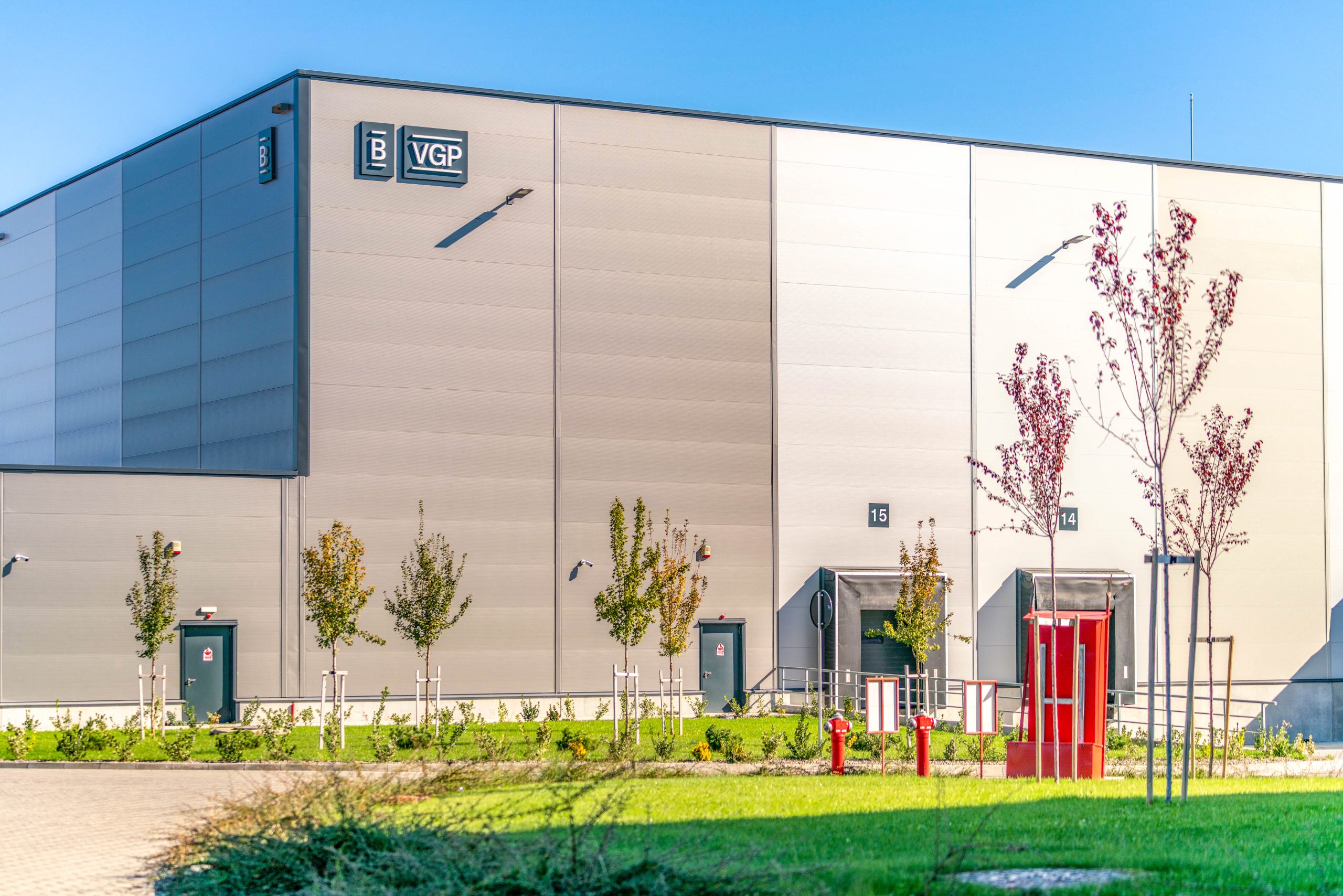
With the five buildings already delivered, totalling approximately 123,000 sqm, which are designed and built according to the strictest sustainability and energy efficiency standards, VGP Park Brașov is positioning itself as a reference example in sustainable real estate development.

Infrastructure developments such as the Sibiu-Brasov-Bacau A13 highway shall bring new development opportunities. The Sibiu–Fagaras 70 km lot is under active construction, with works expected to be done by 2027. While the Brasov – Bacau lots are at the feasibility stage, the opening of the Sibiu-Fagaras lot will bring new development opportunities as connectivity to Western Europe is significantly improved.

Dana Bordei VGP Romania

RPC Talks with Dana Bordei, VGP România

RPC Talks with Dana Bordei, VGP România 2560 1707 ROMANIA PROPERTY CLUB

RPC Talks to Dana Bordei

Commercial Country Manager, VGP România

Dana Bordei VGP Romania

Profile of the company

VGP is a pan-European developer, manager and owner of high-quality logistics and semi-industrial real estate, operating in 18 European countries.
VGP operates a fully integrated business model with capabilities and long-standing expertise across the value chain, from land acquisition to development and asset and property management.
With origins as a construction company, today VGP’s strategic focus is on the development of large multi-tenant business parks.

What were the main business results for 2024?

In 2024, VGP achieved significant milestones, meeting our business targets and consolidating our position in Romania. Highlights include:

  • A 53,000 m² building in VGP Park Brașov, the largest in our portfolio, leased to ILS Balkan and recognized as the ‘Best Warehouse Development & Developer of the Year.’
  • A 20,000 m² space in VGP Park Timișoara leased to Continental Tires for tire storage.
  • Construction of a 20,000 m² production facility for VAT Romania in VGP Park Arad, set for delivery in 2025. VAT Group is a renowned developer, manufacturer and supplier of high-performance vacuum valves, critical components for advanced R&D and production processes of semiconductors, LEDs, solar cells, displays and other products requiring high vacuum.

What are the company’s business targets and plans for 2025?

For 2025, VGP aims to finalize projects in strategic locations like Bucharest, Arad, and Brașov, attract new tenants from diverse and innovative industries, aligning with market trends. VGP will continue integrating green technologies, such as heat pumps, as a standard in our developments, strengthen partnerships to respond quickly to market demands and maintain our role as a “one-stop shop” for clients.

Additionally, Romania’s integration into the Schengen Area in 2025 will boost the logistics sector, and VGP is well-positioned to capitalize on this opportunity by developing projects in key locations that benefit from enhanced infrastructure and regional market connectivity.

What are the main challenges & opportunities for the logistic & industrial market in 2025?

Near-shoring strategies are becoming increasingly important in the logistics and industrial market due to global supply chain disruptions. Companies can innovate, enhance efficiency, and stand out in a competitive market by embracing green technologies and prioritizing near-shoring.

For VGP, sustainability remains at the core of our strategy. By integrating eco-friendly solutions, such as heat pumps and photovoltaic systems, we aim to meet the growing demand for energy-efficient and modern logistics spaces.

Additionally, we are actively contributing to the reindustrialization of Europe by providing industrial companies with prime-located, efficient premises that support their operational needs. A strong example is our collaboration with VAT, a leading supplier of high-performance vacuum valves, which is establishing a new facility in VGP Park Arad.

Which regions are expected to see the highest demand for new industrial & logistic developments? Which areas in Romania are positioned to become major logistics hubs by 2025, and how will proximity to regional markets and infrastructure upgrades (e.g., roads, rail, ports) play a role?

Romania’s strategic position as a logistics hub in Central and Eastern Europe continues to attract significant investments. In 2025, regions such as Arad, Timișoara, Bucharest, and Brașov are expected to experience the highest demand for industrial and logistics developments.

Key factors include:

  • Proximity to transportation hubs: Improved infrastructure such as highways, railways, and ports facilitates efficient logistics operations.
  • Schengen integration: Romania’s 2025 inclusion in the Schengen Area will eliminate border controls, reduce transport times, and enhance connectivity to European trade routes.
  • Local economic growth: Infrastructure upgrades and foreign investments make these regions attractive for businesses looking to expand near major markets.

VGP’s strategic projects in these areas leverage these advantages, ensuring that our developments are positioned to support Romania’s transformation into a key logistics hub on the European map.