Brasov

Iulius Constanta 01 Ro (Large)

Europe’s largest private bioremediation project underway in Constanța

Europe’s largest private bioremediation project underway in Constanța 1918 1080 ROMANIA PROPERTY CLUB
Iulius Constanta 01 Ro (Large)

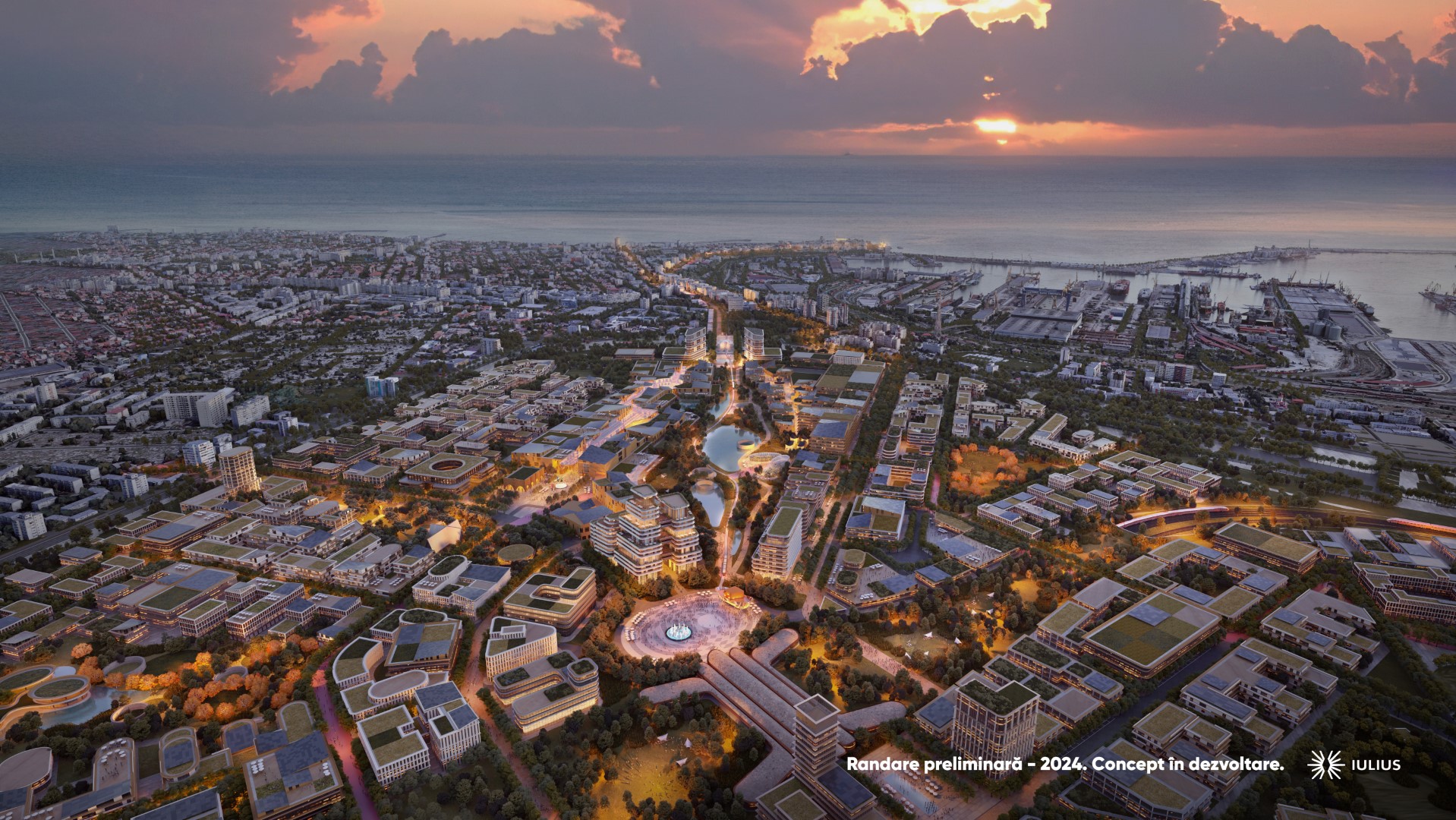
In central Constanța, on the site of the former Oil Terminal platform, real estate developer IULIUS has launched the largest bioremediation project ever undertaken by a private investor in Europe.

The soil remediation phase represents an investment exceeding €29 million. It marks the second stage—following extensive archaeological surveys—of a broader €800+ million urban regeneration initiative aimed at transforming 38 hectares of contaminated industrial land, left idle for over a decade, into a vibrant, mixed-use district.

HISTORICAL CONTEXT

The site carries a heavy industrial legacy: for nearly a century, it housed an oil storage depot featuring more than 30 petroleum product tanks. Given the age of the facilities and the site’s proximity to the city center after eight decades of operation, traditional mechanical remediation was no longer viable.

The breakthrough came from Romanian scientific research. Specialists at the National Research and Development Institute for Soil Science, Agrochemistry and Environmental Protection (ICPA Bucharest) developed a proprietary formula using natural microorganisms isolated directly from the contaminated soil to biodegrade petroleum hydrocarbons. The non-genetically modified bacterial strains pose no risk to human health or the environment, leveraging an enhanced natural degradation process to significantly shorten the site’s recovery timeline.

THE THREE-STAGE BIOREMEDIATION PROCESS

The entire process is being conducted fully on-site through three distinct phases:

  • Soil Bioremediation: Excavated earth is sorted, processed, and arranged into biopiles—structured mounds mixed with compost and organic fertilizers. These are inoculated with the selected microorganisms and maintained under optimal moisture, temperature, and aeration conditions.
  • Contaminant Isolation: A high-density geomembrane lines the base of the excavation, physically preventing any horizontal or vertical migration of pollutants.
  • Groundwater Treatment: A hydrogeological barrier consisting of perimeter wells diverts contaminated groundwater to an on-site treatment facility. The purified water is then recycled for safe operational uses, such as site cleaning and green space irrigation.

INTEGRATED MULTIDISCIPLINARY EXPERTISE

The project brings together top-tier international and domestic expertise. Dr. Anca-Rovena Lăcătușu, Head of Laboratory at ICPA Bucharest, developed the bio-inoculum technology. Water treatment operations are handled by Hoelscher Wasserbau, a leading German environmental engineering firm with over 60 years of industry experience. Engineering design was overseen by Auditeco, led by Cicerone Ionescu, bringing nearly three decades of expertise in environmental compliance and remediation.

To scale the technology, IULIUS invested over €420,000 in research infrastructure:

  • ~€300,000 to equip an ICPA laboratory dedicated to microorganism cultivation.
  • ~€120,000 to establish a chemical analysis laboratory at Ovidius University in Constanța.

VISION: “CONSTANȚA 365”

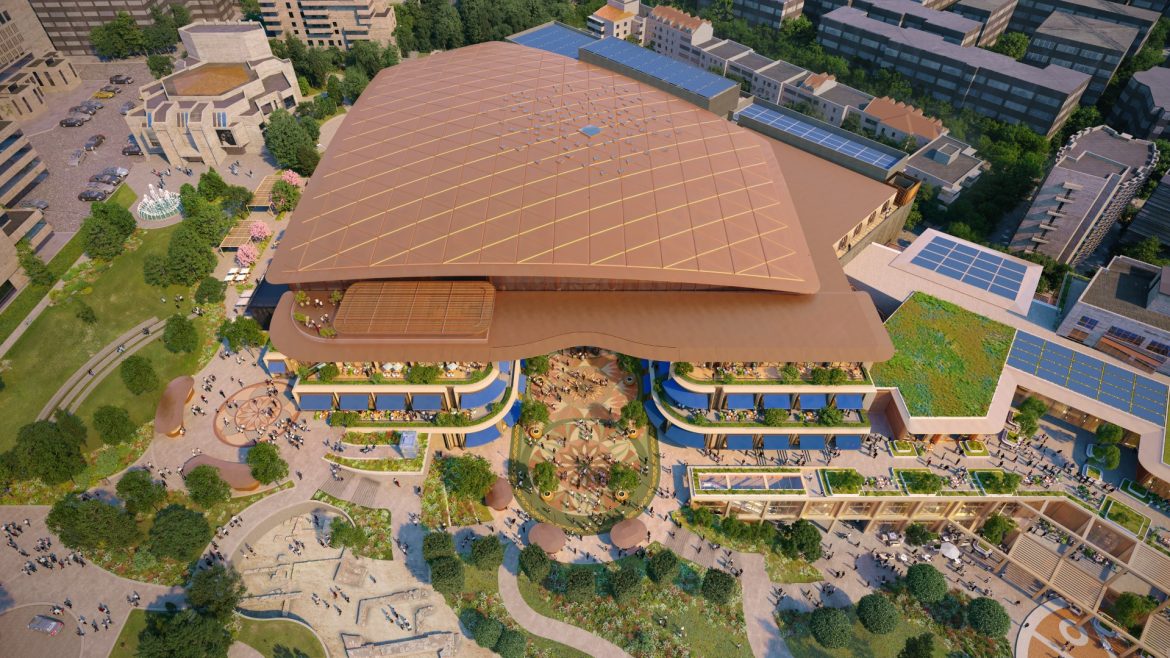
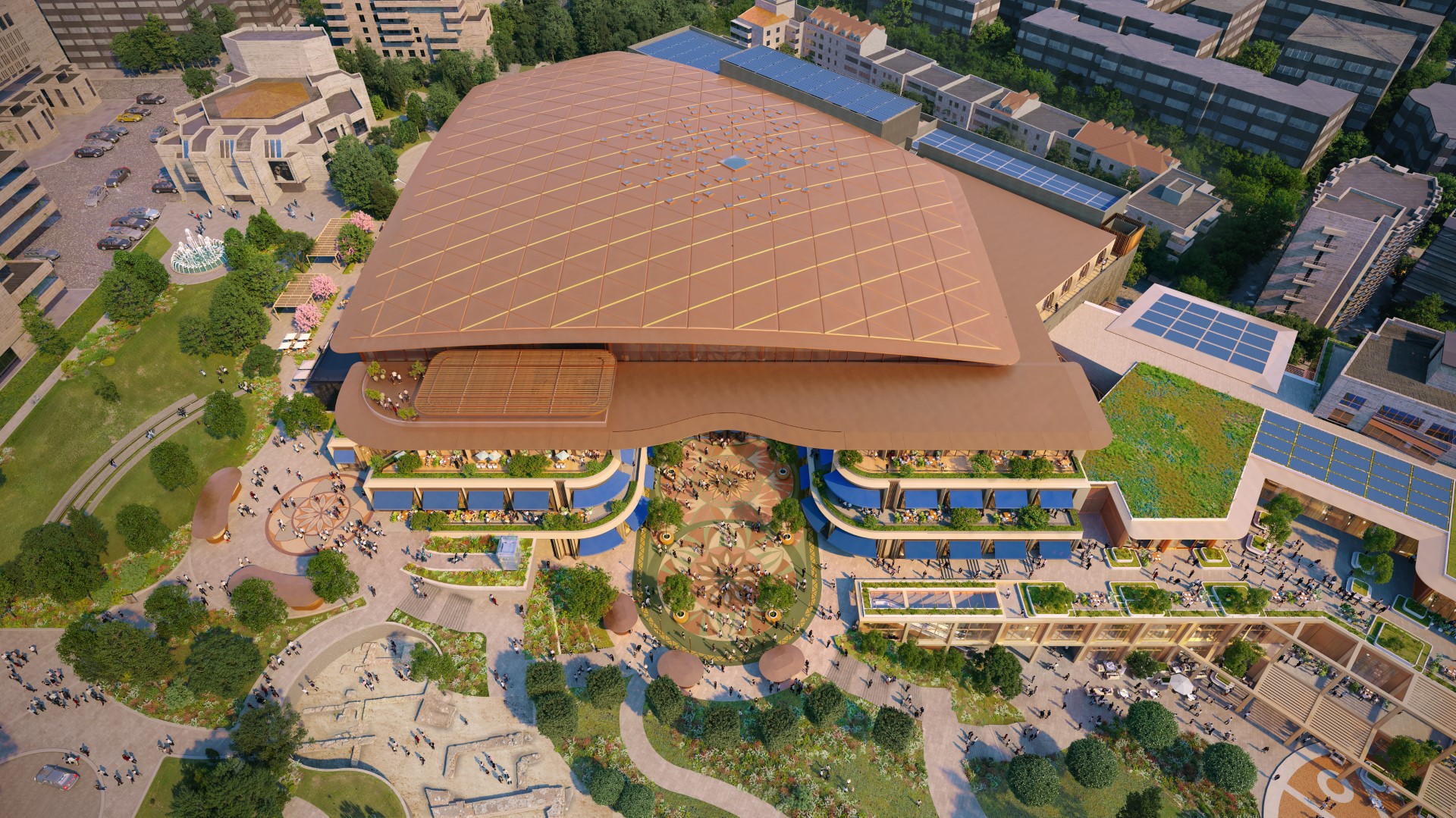
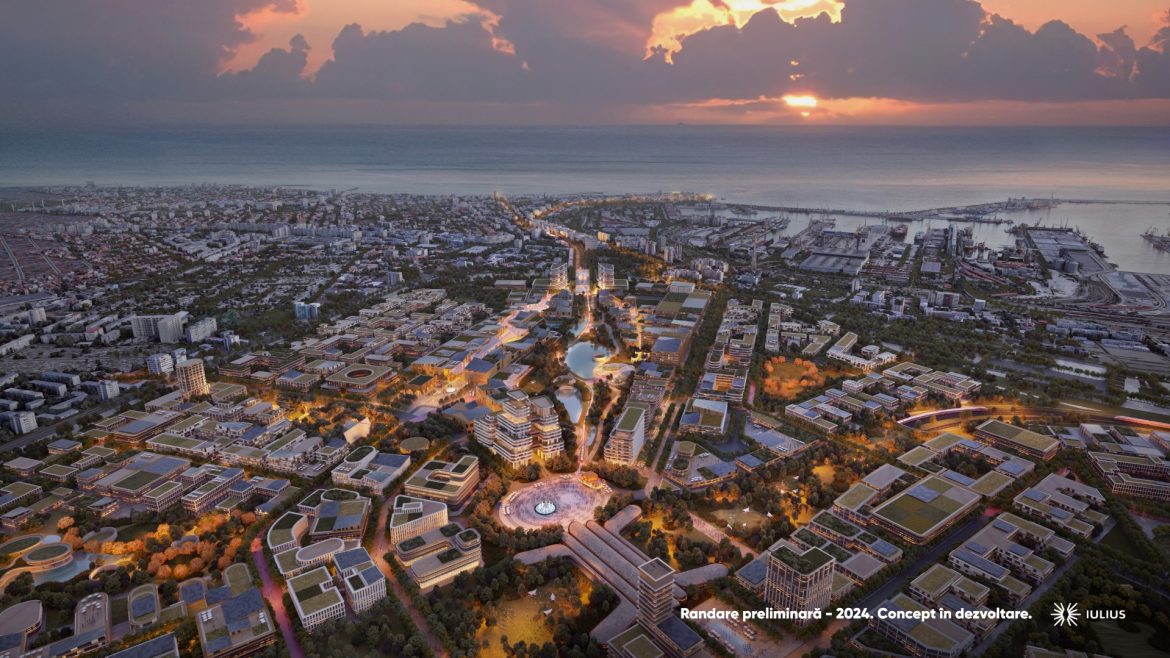
Beyond environmental restoration, the ultimate goal is urban transformation. IULIUS is advancing Romania’s largest urban regeneration concept—a mixed-use master plan designed by world-renowned architecture firm Foster + Partners to establish Constanța as a year-round destination.

The development will feature cultural and educational venues, retail, office space, entertainment, sports facilities, and a central park with a botanical garden (supported by Dobrogea’s first dedicated tree nursery, where over 1,100 mature trees have already been acclimatized). The master plan also prioritizes sustainable mobility through extensive pedestrian, cycling, and road networks.

Under the tagline “Nature works. Science helps. Constanța wins,” the initiative sets a benchmark for industrial brownfield redevelopment—converting a decades-old environmental liability into a safe urban asset while paving the way for similar soil restoration projects across the region.
Constanta Port

Port of Constanța acquires Giurgiulești Port in Moldova & signs agreement with UAE’s AD PORTS GROUP

Port of Constanța acquires Giurgiulești Port in Moldova & signs agreement with UAE’s AD PORTS GROUP 2309 1299 ROMANIA PROPERTY CLUB
Constanta Port

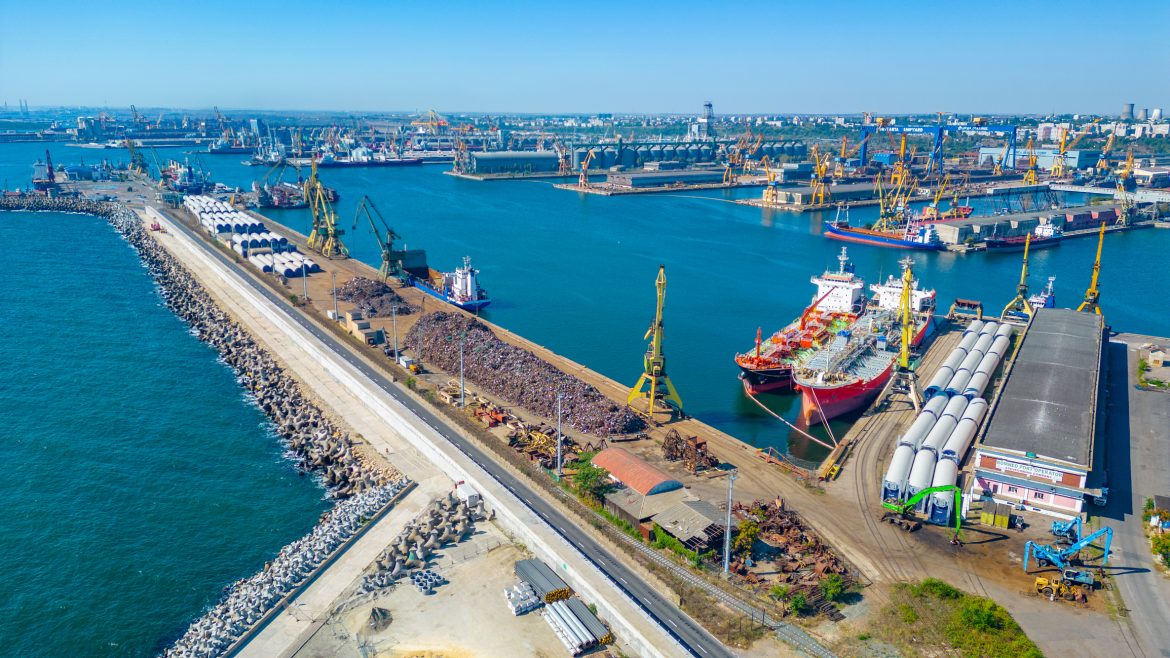
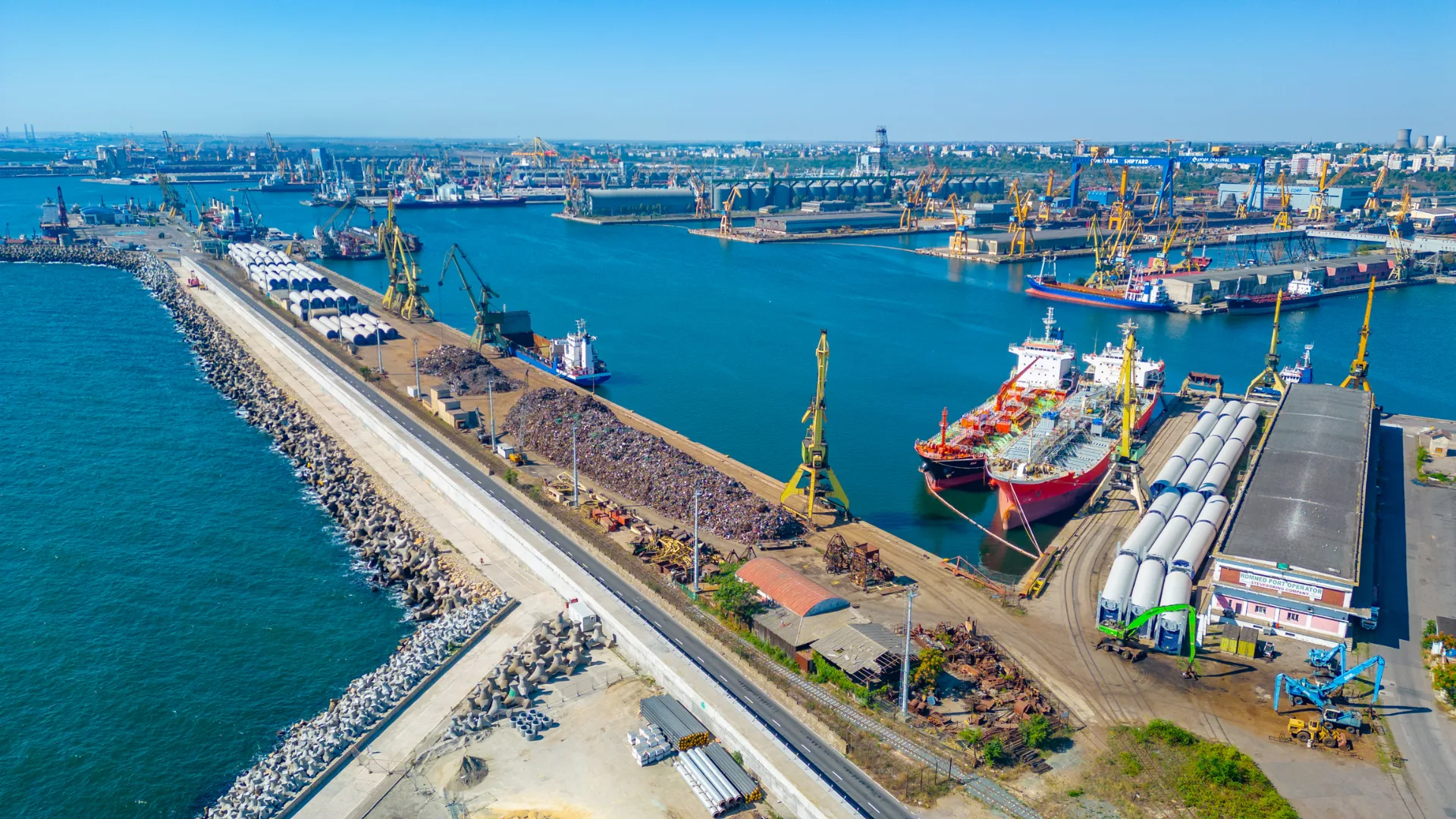
Following the exceptional years driven by Ukrainian transit, the Port of Constanța has entered a clear stabilization phase. Freight traffic through the port totaled 67.5 million tonnes in 2025, marking a 12.6% decline compared to 2024. For context, 2023 remains the benchmark year, when the port reached a record high of 92 million tonnes of cargo handled. As such, the decline over the past two years reflects a return to structural levels rather than an operational crisis.

The drop was even more pronounced along inland waterways: cargo volume on the Danube–Black Sea Canal reached 14.5 million tonnes in 2025—down 21.1% from 2024. Total ship transits fell from 25,683 to 21,906 (−14.7%), with foreign-flagged vessel transits dropping by 30.6%. This downward trend was apparent from early in the year, with Q1 2025 traffic standing at 15.4 million tonnes (−27% year-over-year).

Key Drivers Behind the Decline

Two primary factors account for the lower volumes:

  • Flow Normalization: Traffic adjusted downward as Ukrainian ports resumed regular operations, reducing the surge in grain transits that inflated figures throughout 2022 and 2023.
  • Domestic Headwinds: Port operators cite rising inflation and sharp tax increases as key drivers, both of which have weighed on labor capacity and future investment plans.

ONGOING INVESTMENTS IN 2026

In contrast to the traffic downturn, the port’s capital expenditure pipeline is accelerating, aimed at bolstering long-term competitiveness:

  • Hinterland Expansion: The acquisition of the Giurgiulești International Free Port was finalized on April 21, 2026—a strategic move expanding Constanța’s regional reach. Romanian authorities have committed to long-term development investments in Giurgiulești to boost capacity, modernize infrastructure, and solidify its position across the Black Sea and Danube basins. The port is also well-positioned to play a pivotal role in Ukraine’s future reconstruction.
  • Dredging Works: A €180 million dredging program across maritime ports (Constanța and Midia) is underway throughout 2025–2026.
  • Rail Infrastructure Upgrade: On February 4, 2026, the winning bidder was announced for Stage III of the rail infrastructure modernization project in the Port of Constanța.
  • EU Funding Absorption: Over €500 million in EU funds is being channeled into road network upgrades, electrical grid enhancements, water and supply networks, and dredging.
  • Strategic Foreign Direct Investment: Representatives from Abu Dhabi Ports Group (AD Ports Group) have voiced formal interest in major investments, with a focus on Piers 3 and 4.
  • Road & Access Connectivity: Works began in April 2026 on a 24 million RON project to rehabilitate and expand port roads and overpasses over a 24-month period, addressing a recognized imbalance between road and rail capacity.
Logistics

Iași Steps Into the Modern Logistics Spotlight

Iași Steps Into the Modern Logistics Spotlight 2560 1829 ROMANIA PROPERTY CLUB
Logistics

Iași is entering a new phase of industrial development, driven by two major infrastructure catalysts: the A7 motorway (Ploiești–Siret)—set to reach Pașcani by the end of this year—and the A8 motorway (Târgu Mureș–Iași–Ungheni), currently in its early stages with full completion targeted for 2030. Once finished, these two transport arteries will fully integrate the Moldavia region into Romania’s national transport grid and open direct corridors toward the Republic of Moldova and Ukraine—a compelling proposition for logistics and industrial operators eyeing the region.

Current Stock and Pipeline

Despite growing investor appetite, Iași County has historically suffered from an undersupply of modern industrial space. However, the market is shifting rapidly. Over 50,000 sq m are currently under construction, with completions scheduled for 2025–2026:

  • ELI Park Iași (Element Industrial) — 20,000 sq m (2025 delivery)
  • Industra Park Iași (Oresa Ventures) — 16,000 sq m (under development)
  • Proinvest Park Miroslava (Proinvest) — 16,000 sq m (under construction)

An additional 125,000 sq m are in the planning pipeline. According to real estate consultancy iO Partners, this expansion is set to double Iași’s modern industrial stock within a relatively short timeframe.

Rental Rates

Prime Class A industrial and logistics rents in Iași County currently range between €4.2 and €4.6 per sq m per month, depending on unit size and lease terms. Class B properties offer lower-cost alternatives, catering to price-sensitive tenants.

Demand Breakdown

The tenant mix closely reflects the city’s broader economic footprint. The automotive sector historically commands the largest share of occupied space (35%), followed by pharmaceuticals (27%) and retail/FMCG (17%). Pure-play logistics remains underrepresented compared to other Romanian hubs at just 12%—a gap that presents a clear upside and growth opportunity as motorway connectivity improves.

Atrium Palas

Iași – Romania’s Regional Retail Capital: The Country’s Highest Retail Density and a Rapidly Expanding Commercial Market

Iași – Romania’s Regional Retail Capital: The Country’s Highest Retail Density and a Rapidly Expanding Commercial Market 1920 1079 ROMANIA PROPERTY CLUB
Atrium Palas

With a county population approaching one million inhabitants, of whom 48% live in urban areas, Iași has become one of Romania’s most attractive expansion destinations for both international and domestic retailers.

At city level, Iași boasts the highest retail density in Romania, with 764 sqm of modern retail space per 1,000 inhabitants, outperforming Bucharest, Timișoara, Brașov and Cluj-Napoca.

The city’s retail landscape underwent a major transformation in 2025 with the opening of Mall Moldova, developed by Prime Kapital. Covering a total gross leasable area of 110,000 sqm, the shopping centre accommodates more than 250 brands, including 50 retailers making their debut in the Iași market. Its food court features 30 dining concepts and seating for approximately 2,500 visitors.

Iași’s modern retail stock currently totals approximately 207,700 sqm, dominated by three flagship schemes: Mall Moldova, Palas Mall and Iulius Mall. Each serves a distinct catchment area: Iulius Mall benefits from its proximity to the city’s university district, Palas anchors the historic city centre around the Palace of Culture, while Mall Moldova serves the rapidly expanding western gateway of the city.

The area surrounding Mall Moldova continues to attract major investment. Construction is currently underway on IKEA’s first store in north-eastern Romania, covering approximately 16,000 sqm. Iași will become the Swedish retailer’s third Romanian city after Bucharest and Timișoara.

According to information provided by 4BIZ Properties to Romania Property Club (RPC), two DIY retailers have recently completed or are in the process of completing acquisitions of development land totalling approximately 19.5 hectares, signalling continued confidence in the region’s retail potential.

Retail expansion is also extending into Iași’s metropolitan area, following the rapid development of new residential communities. After successful projects in Miroslava and Bucium, IULIUS is further expanding its neighbourhood retail concept with Family Market Tomești, a mixed-use retail destination offering approximately 13,000 sqm of leasable space alongside nearly 10,000 sqm of landscaped green areas. The scheme will be anchored by a Kaufland hypermarket, while Stay Fit Gym will operate the sports component and KFC will open its first Drive-Thru restaurant in the Iași metropolitan area. The total investment amounts to EUR 28 million.

Prime Retail Rents

Segment Prime Rent
High street – Main retail streets EUR 20–40/sqm/month
High street – Secondary retail streets EUR 10–20/sqm/month
Shopping centres (prime units) EUR 40–60/sqm/month
Retail parks EUR 8.5–9/sqm/month

Source: iO Partners (retail parks – Iași County)

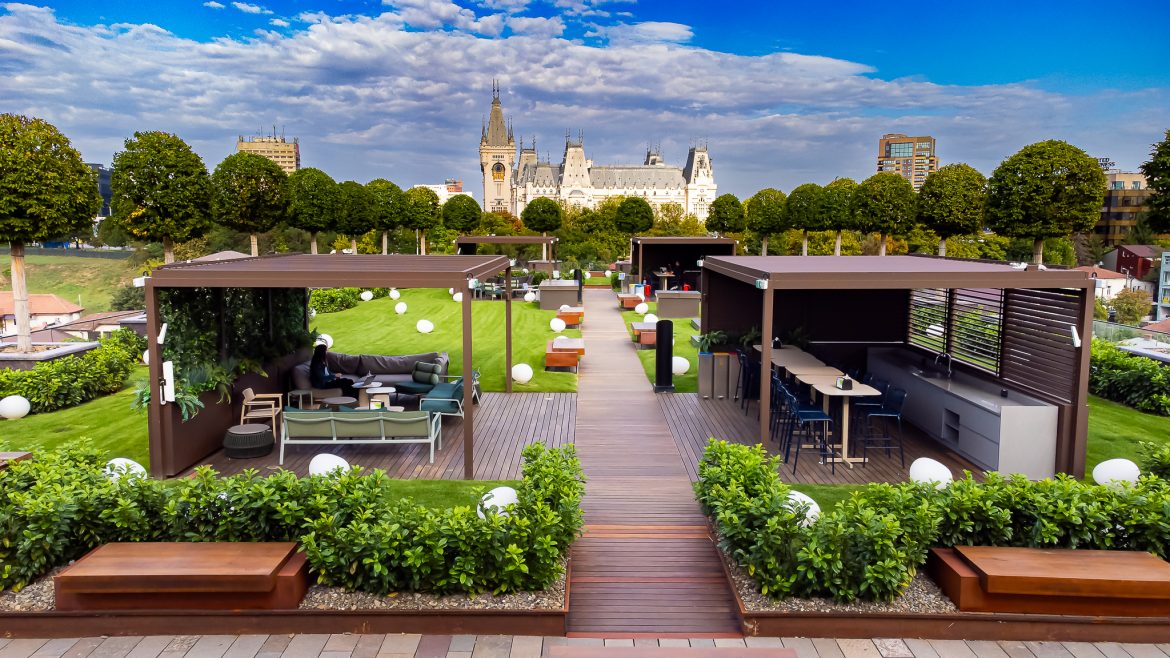
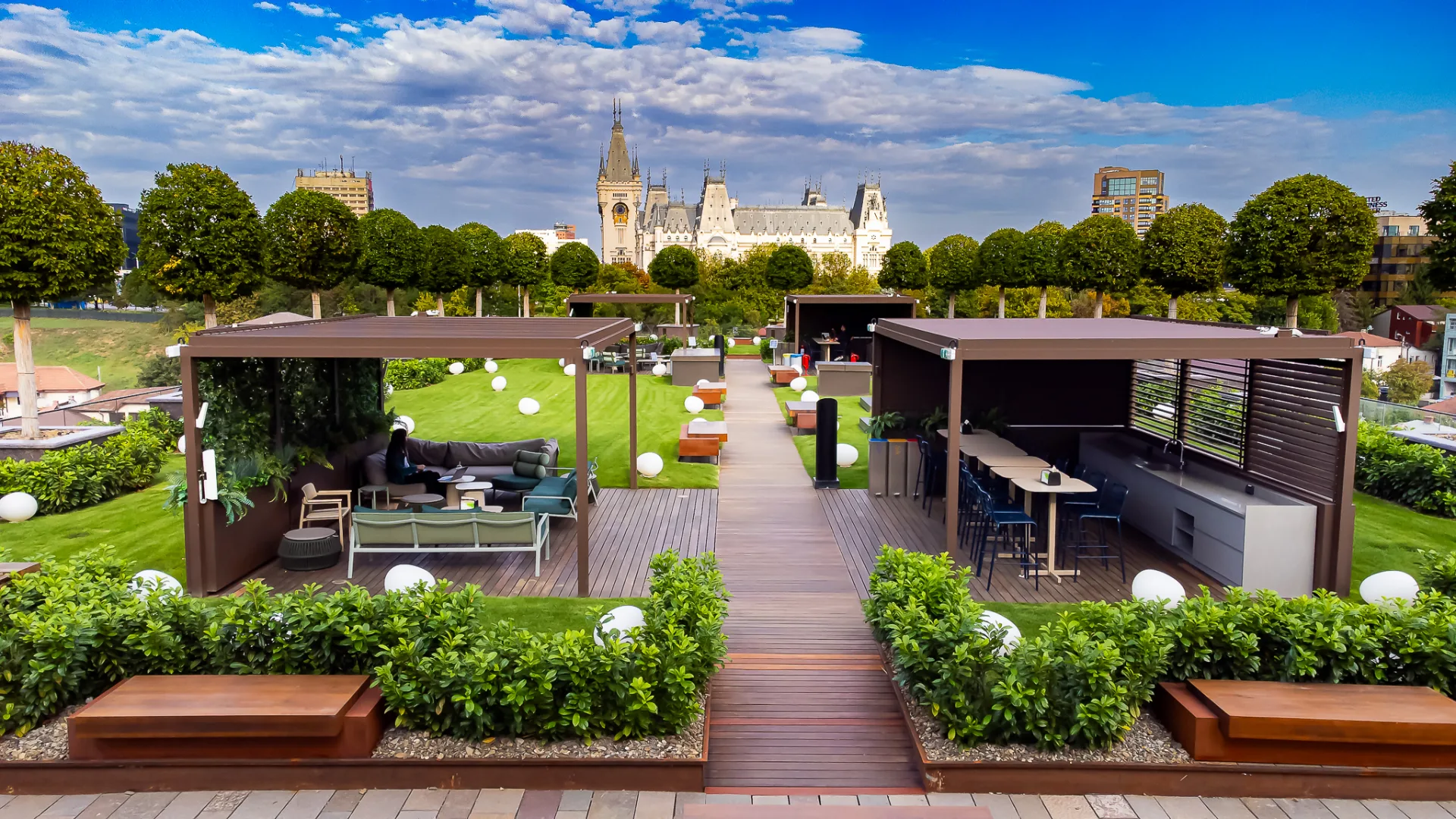
Developed around the iconic Palace of Culture, Palas Iași represents one of Romania’s most successful public-private partnership projects. The development was selected following a public tender organised by the Iași City Council in 2004–2005 and implemented through a joint venture agreement under which the municipality contributed the land-use rights while sharing the project’s profits according to the contractual terms.

When inaugurated in 2012, Palas became Romania’s first large-scale mixed-use urban regeneration project, setting a benchmark for integrated city-centre developments. Between 2007 and 2024, the project generated a total of EUR 89.4 million in taxes, local contributions and payments under the public-private partnership agreement. Of this amount, EUR 86.26 million was generated after the project’s opening, between 2012 and 2024.

Having already invested approximately EUR 490 million in Iași, IULIUS is reinforcing its long-term commitment to the city through a further EUR 80 million investment programme. Central to this strategy is the comprehensive redevelopment of Palas Iași, designed in collaboration with the internationally renowned architectural practice Foster + Partners.

The redevelopment focuses on optimising and reconfiguring existing spaces rather than constructing new buildings. Both the architectural and functional transformation will create approximately 16,000 sqm of additional leasable space, enabling the introduction of new international brands while allowing existing retailers to expand.

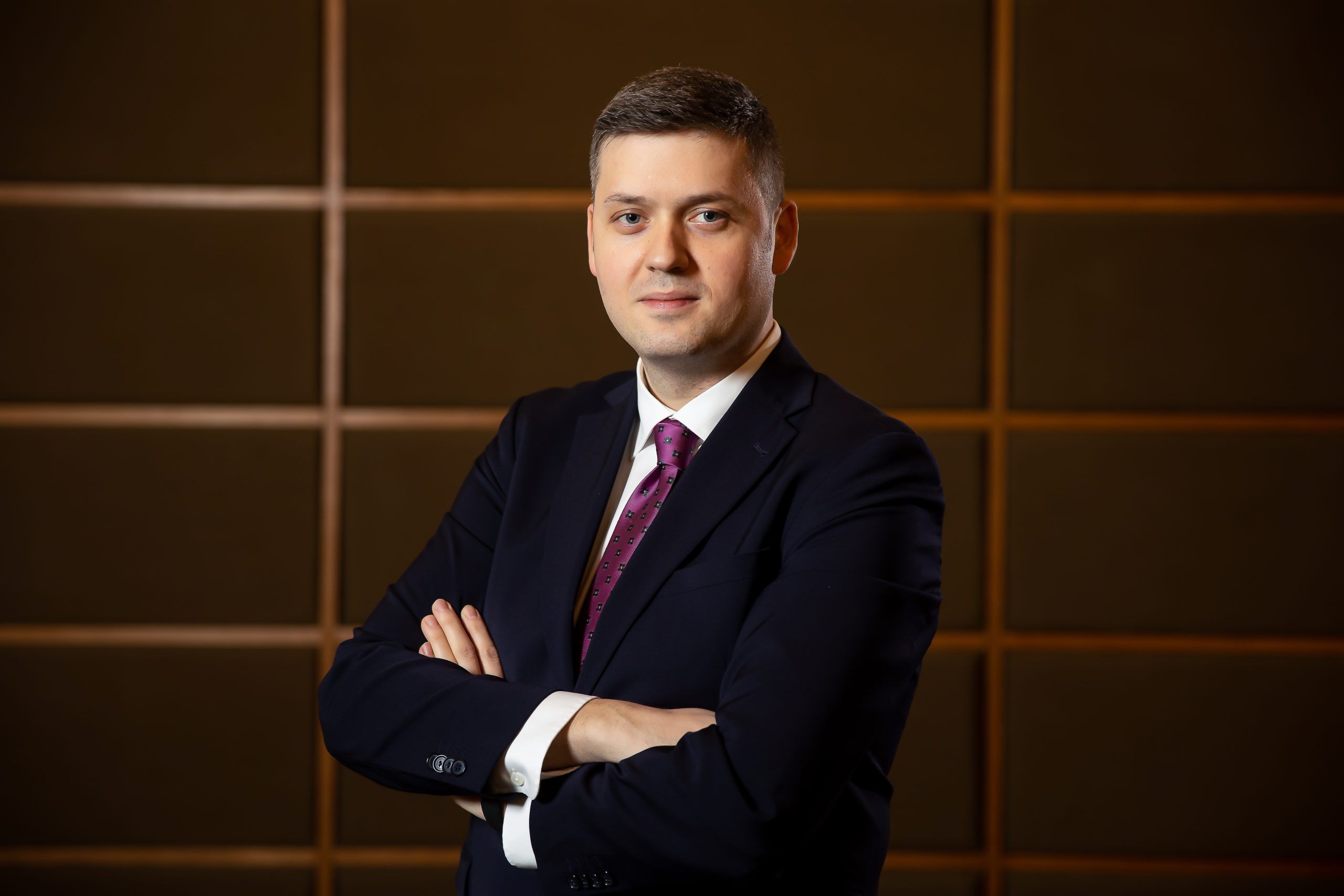
Gabriel Iatco Iulius

Gabriel Iațco, Shopping Center Manager, Palas Iași:

“Overall, 2025 evolved broadly in line with our expectations, despite an economic environment that became increasingly volatile during the second half of the year. Even in a climate of greater consumer caution, we continue to see strong demand for premium shopping and lifestyle experiences, with customers prioritising products and services that deliver immediate value.

Against this backdrop, we continued implementing the Palas redevelopment strategy while closely monitoring consumer behaviour. As part of the transformation, we welcomed several new international brands, including Furla, Oltre, JD Sports, Buzz, LEGO, Crocs, Rituals, KIKO Milano, L’Occitane, Stay Fit and Popeyes.

Our diversification strategy continues throughout 2026 with the opening of highly anticipated brands such as Primark and Sport Guru. As the redevelopment progresses, additional retailers will join the project, further strengthening our tenant mix across high fashion, jewellery, sports, beauty, food & beverage, dining, entertainment and edutainment, while introducing new leisure experiences within Palas Park.”

Palas Campus Iasi

Iași Office Market: Competitive Talent, Lower Costs, Big Ambitions

Iași Office Market: Competitive Talent, Lower Costs, Big Ambitions 2048 1152 ROMANIA PROPERTY CLUB
Palas Campus Iasi

Iași combines its position as one of Romania’s leading university cities with one of the most competitive cost profiles among the country’s secondary office markets. The city’s salary gap compared with Cluj-Napoca – around 30%, and Timișoara – approximately 15%, is not a disadvantage but rather a compelling argument for IT, outsourcing and professional services companies looking to optimise operating costs without compromising access to skilled talent. While Cluj-Napoca remains the country’s largest regional office market in terms of stock and demand, Iași offers an efficient alternative, combining a highly qualified workforce with lower operating costs and rapidly improving connectivity.

Prime office rents in Iași currently range between EUR 13 and EUR 18 per sqm/month for Class A buildings and between EUR 10 and EUR 13 per sqm/month for Class B properties, according to data provided by iO Partners to Romania Property Club (RPC).

“There are currently no office buildings under construction in Iași, which is understandable given the significant expansion of the city’s office stock in recent years. More than 80,000 sqm of leasable office space was delivered in 2023 alone, through the completion of Palas Campus and the first office phase of Silk District, representing an increase of almost 40% in the city’s modern office stock within a single year. It is evident that a market of Iași’s size cannot absorb deliveries of this magnitude every year,” explain iO Partners representatives.

Although no office projects are currently under construction, the market retains considerable development potential. Future office phases within Silk District, an additional office building within the United Business Center (UBC) complex, and several smaller projects currently in early planning stages could accommodate any increase in occupier demand over the coming years.

The IT and telecommunications sector remains by far the dominant occupier in Iași’s office market, reflecting the city’s growing reputation as one of Romania’s leading technology hubs. Historically, this sector has generated just over 70% of total office demand, while professional services and business process outsourcing (BPO) account for approximately 12%.

As of November 2025, Iași’s IT and communications sector employed nearly 19,000 professionals, providing a strong foundation for office demand. At the same time, occupier requirements are evolving, shifting away from large-scale outsourcing operations towards smaller, higher-value teams specialising in artificial intelligence, cloud technologies and machine learning. This trend increasingly favours premium Class A office buildings over older Class B assets.

Iași benefits from a substantial stock of modern, high-quality office space. However, demand remains relatively lower than in other regional markets, resulting in a comparatively higher vacancy rate. At 13.3%, Iași records the highest office vacancy level among Romania’s major regional cities, although this figure is largely driven by older, less competitive buildings. Premium office assets continue to perform strongly, with leasing activity primarily consisting of renewals and expansions within established business parks.

With a total modern office stock of approximately 296,000 sqm, Iași ranks as Romania’s second-largest regional office market after Cluj-Napoca (340,000 sqm) and slightly ahead of Timișoara (293,000 sqm).

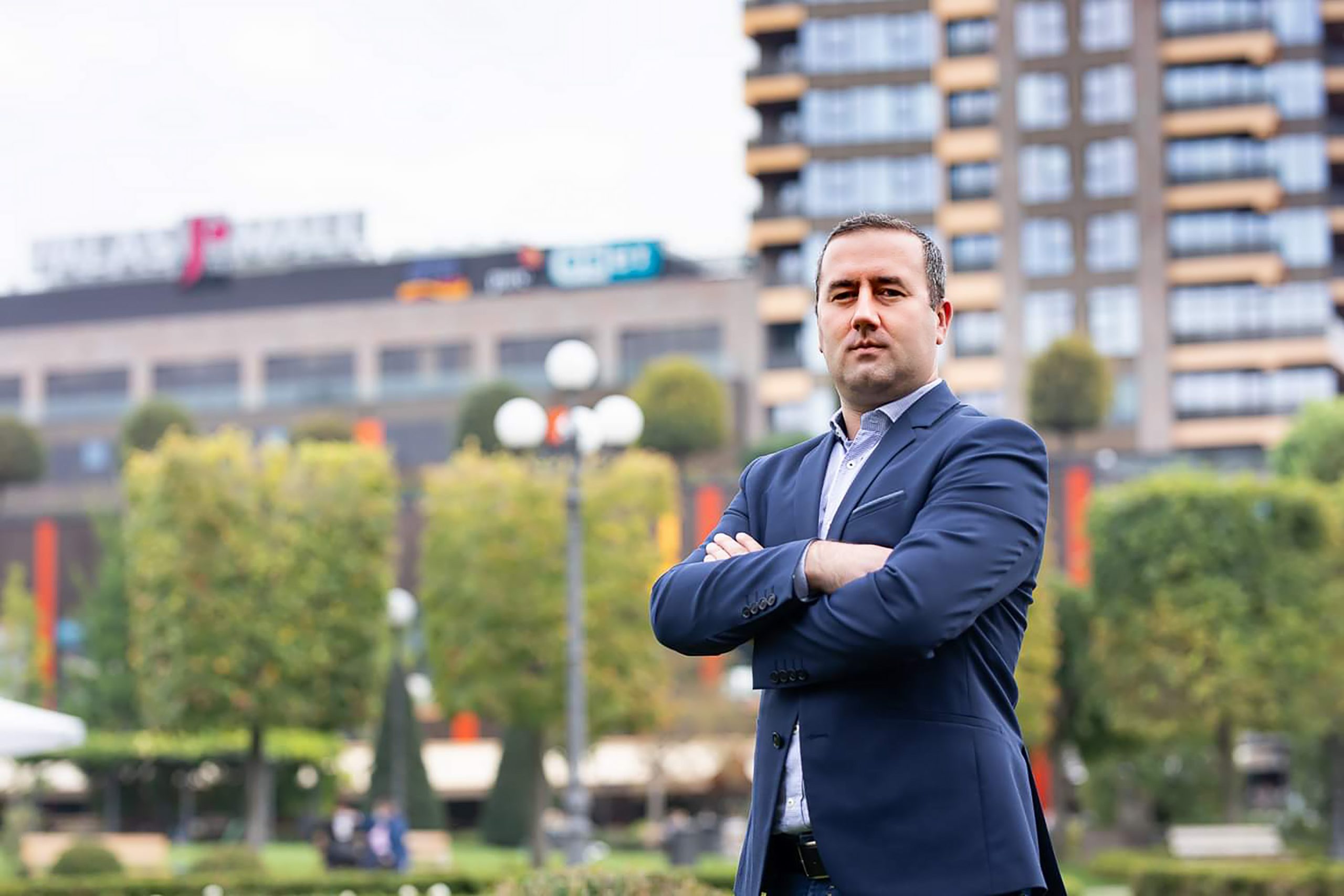
Ionut Pavel Office Buildings Manager Palas Iasi

Ionuț Pavel, Office Buildings Manager, United Business Center Palas:

“Iași has established itself as a strong player in both the Romanian and wider regional office markets. In terms of attracting international companies, the city competes not only with other Romanian cities but increasingly with business destinations across Europe, benefiting from a highly qualified workforce, competitive operating costs and an attractive quality of life.

We started 2026 by signing new lease transactions exceeding 3,300 sqm across Palas and Palas Campus. At the same time, we are engaged in advanced negotiations for larger office requirements of more than 1,000 sqm, although most current enquiries are for spaces ranging between 300 and 500 sqm. Demand is primarily driven by companies operating in banking, business services and AI solutions.

We tailor each project to our tenants’ specific requirements, which frequently involve redesigning layouts, reconfiguring office space and providing a high degree of flexibility. Our objective remains to maintain occupancy levels between 95% and 100% across all office buildings within the IULIUS network.”

Impact

New Residential Market in Iași: Moderate Price Growth Keeps the City Among Romania’s Most Affordable

New Residential Market in Iași: Moderate Price Growth Keeps the City Among Romania’s Most Affordable 2560 1440 ROMANIA PROPERTY CLUB
Impact

In April 2026, the average asking price for new apartments in Iași reached EUR 2,053 per sqm usable area, marking a 15% year-on-year increase, according to the Imobiliare.ro Index. Despite this upward trend, Iași continues to be one of the most affordable residential markets among Romania’s major cities.

For comparison, the average asking price for new apartments stands at EUR 3,434/sqm in Cluj-Napoca, EUR 2,717/sqm in Brașov, EUR 2,245/sqm in Timișoara, and EUR 2,632/sqm in Bucharest. The only major city with a comparable price level is Constanța, where the average reaches EUR 2,112/sqm.

At the same time, the supply of newly built homes in Iași declined significantly during the first part of 2026, falling 43% compared with the same period last year. Around 1,240 new apartments were available for sale during the first quarter of 2026.

The city’s highest residential prices are recorded in the Ultracentral area, where average asking prices exceed EUR 3,100/sqm, followed by the Copou district at approximately EUR 2,800/sqm. Meanwhile, Bucium, Dacia, and Mircea cel Bătrân remain the city’s most affordable residential neighbourhoods, with average asking prices below EUR 1,800/sqm.

Real Estate Regional Hubs – photo 2

Brașov Market: Residential transactions freeze, but prices refuse to drop

Brașov Market: Residential transactions freeze, but prices refuse to drop 2048 1152 ROMANIA PROPERTY CLUB
Real Estate Regional Hubs – photo 2

The New Home (NH) market grew steadily throughout 2025, climbing from €2,384/sqm in January to €2,668/sqm in December. This represents an annual increase of approximately 11.9%. Meanwhile, the Old Market experienced more tempered growth (from €1,999 to €2,190/sqm), suggesting that demand is increasingly shifting toward new properties, despite their higher price tags.

The growth peak was recorded in Q2, when the overall market average jumped by over 3% compared to the beginning of the year.

When it comes to the housing segment, Sânpetru emerged as the “star” of 2025. Although it started with the lowest price point (€1,512/sqm in January), it wrapped up the year at €1,824/sqm, making a massive recovery compared to other areas. It stands as the region with the highest appreciation rate. Conversely, Stupini and Ghimbav remained more expensive overall but showed a more linear evolution with minor month-to-month fluctuations—a clear sign of a market that has reached a certain level of maturity and local capping.

Apartment Market Evolution (Average Prices €/sqm) in 2025

The table below summarizes quarterly averages for the general market, highlighting the pricing gap between new and old constructions.

Quarter New Home (NH) Average Old Market Average General Average Quarterly Change (%)
Quarter 1 (Q1) €2,457 €2,031 €2,186 —
Quarter 2 (Q2) €2,530 €2,116 €2,255 +3.15%
Quarter 3 (Q3) €2,586 €2,157 €2,300 +2.00%
Quarter 4 (Q4) €2,641 €2,179 €2,355 +2.39%

Regional Analysis (Housing Segment – NH Average Price) in 2025

For the house/villa segment in suburban areas, the evolution was more volatile but maintained an upward trajectory:

Area Q1 Average Q2 Average Q3 Average Q4 Average Annual Change (Q4 vs Q1)
Sânpetru €1,550 €1,690 €1,749 €1,797 +15.9%
Stupini €1,874 €1,811 €1,953 €1,951 +4.1%
Ghimbav €1,819 €1,884 €1,896 €1,891 +3.9%

Market Resilience and the 2026 Outlook

The residential market analyzed shows a high resilience to price increases. There were no negative quarters (declines), only correction and stabilization periods (such as Q3 for apartments). The price gap between new and old apartments widened throughout the year, reaching nearly €480/sqm in December.

Currently, the market is undergoing a transaction volume “freeze” (fewer closed deals), yet prices stubbornly refuse to drop.

Brașov in 2026 is no longer playing in the apartment speculation league. The city has entered a phase of technical consolidation, where the price per square meter is no longer driven solely by supply and demand. Instead, it is dictated by new regulatory rigors and a metropolitan infrastructure that has outpaced any other city in Romania.

In 2026, the average listing price for new apartments hit the €2,700/sqm threshold. Moving forward, we expect stagnation or a slight increase (3-5%), below the inflation rate. In real terms, this translates to a massive drop in purchasing power, not in shelf prices.

Key influencing factors include lending (stubbornly high interest rates are dampening enthusiasm for credit buyers) and energy efficiency. Old buildings will begin to rapidly lose ground to new developments due to skyrocketing maintenance costs.

Why Prices Will NOT Drop

  • The Regulatory Squeeze: New legislation (the “Nordis Law”) has cut off oxygen for developers who previously relied heavily on large down payments to finance other ongoing projects.
  • Rising Financing Costs: Forced to seek external financing (bank loans, investment funds), developers are now facing high development interest rates. Furthermore, the banking system—compelled to create specific products to guarantee client down payments—charges risk fees. All of these financial costs (amounting to 2-4% of the project’s value) are transferred directly into the final price paid by the buyer.
  • Higher Execution Costs: The mandatory implementation of high energy efficiency standards means construction costs are 15-20% higher than they were 5 years ago.

The Bottom Line: Price per square meter has become a direct reflection of legal security and energy efficiency. Anyone selling “cheap” in 2026 is, most likely, a project with a high risk of non-completion.

Market analysis conducted with the support of The Seller & Partners

Real Estate Regional Hubs – photo 3

Despite falling tourist number in 2025, the hotel development pipeline remains robust

Despite falling tourist number in 2025, the hotel development pipeline remains robust 1620 1080 ROMANIA PROPERTY CLUB
Real Estate Regional Hubs – photo 3

Brașov is increasingly positioning itself as a major hub of attraction, driven by its unique blend of economic development, tourism opportunities, and high quality of life. The destination benefits from upgraded infrastructure, easy access to major cities, and a landscape that harmoniously blends history with natural beauty. Beyond ranking among the top three national destinations, Brașov has been a constant fixture in major international travel guides over recent years.

  • National Geographic – “Best of the World 2025”: Brașov was included in this exclusive list of the 25 must-visit destinations for 2025. The publication described it as the “gateway to Transylvania,” praising its mix of medieval history, ancient forests, and the accessibility provided by the new international airport.

  • CNN Travel – Top Destinations for 2025: CNN included Romania in its recommended travel list for 2025, calling Brașov a central pillar of the “Transylvanian experience.” American journalists presented it as an authentic and less crowded alternative to Western Europe’s classic destinations.

Accommodation Capacity on the Rise

Currently, hotel capacity within the municipality of Brașov recorded a 4.7% increase in 2025 compared to 2024, expanding from 47 hotels (2,427 rooms) to 50 hotels (2,542 rooms). The most substantial growth in 2025 versus 2024—a striking 21.4%—was reported in the short-term rental apartments and units category, which surged from 2,081 units in 2024 to 2,527 units in 2025. This data is based on figures from the Ministry of Economy, Digitalization, Entrepreneurship & Tourism, analyzed by Est Hospitality.

HOTEL CAPACITY IN THE CITY OF BRAȘOV

Accommodation Type 2024 2025 2025 vs 2024 (%)

1-5 Star Hotel Rooms

2,427

2,542

4.70%

Short-Term Rental Apartments

2,081

2,527

21.40%

A Temporary Cooldown in Tourist Traffic

When it comes to tourist numbers, the 2025 figures indicate a decline compared to both the previous year and the pre-pandemic benchmark. In 2025, the county ranked 3rd nationally, attracting nearly 1.39 million visitors and registering 2.62 million overnight stays. A solid performance in the first half of the year was followed by a slight deceleration in the second semester—a trend observed across the entire mountain region.

In 2025, tourist arrivals and overnight stays remained below 2019 levels and lower than in 2024. Compared to 2024, the hotel market experienced a contraction of approximately 4%. Conversely, arrivals and overnight stays in short-term rental apartments remained relatively stable in 2025 compared to 2024.

TOURISM IN THE CITY OF BRAȘOV

Metric 2019 2024 2025 2025 vs 2019 2025 vs 2024

Hotel Arrivals

517,641

489,529

470,637

-9.10%

-3.90%

Rental Apartment Arrivals

N/A

116,794

114,954

—

-1.60%

Hotel Overnight Stays

1,002,192

900,733

868,730

—

-3.60%

Rental Apartment Overnight Stays

N/A

211,790

215,011

Source: Est Hospitality based on NIS (National Institute of Statistics) data

International Brands Bet Heavily on the Pipeline

Interest from international hotel chains remains exceptionally high. The most anticipated entries are in the ultra-luxury 5-star segment: Hyatt (rebranding the former ARO Palace) and Kempinski, which is debuting with a brand-new development in Poiana Brașov.

HOTEL DEVELOPMENT PIPELINE (2026-2028)

Property Rating Keys / Rooms Operator Estimated Opening

Hilton Garden Inn

4*

130

Hilton

2026

Radisson Blu Grand Mountain Resort Cristian

5*

46 villas & 20 rooms

Radisson

2026

Ibis Styles

3*

126

Accor

2027

Mercure Brașov Center

4*

180

Accor

2027

Hyatt Regency

5*

189

Hyatt

2028

Kempinski Poiana Brașov

5*

120

Kempinski

2028

TOTAL

811

Source: Est Hospitality

Industry Insight

“This year will mark the opening of the 4-star Hilton Garden Inn, which represents only the third hotel affiliated with an international chain in the city. Brașov will also welcome its first internationally branded 3-star hotel in 2027. Concurrently, in 2026, the number of short-term rental apartments is projected to surpass Brașov’s total hotel capacity.”

— Mircea Drăghici, Managing Partner, Est Hospitality

AFI Park Brasov

Business Blueprint in Brașov: Global Leaders and Local Champions Meet in an Emerging Office Hub

Business Blueprint in Brașov: Global Leaders and Local Champions Meet in an Emerging Office Hub 2560 1440 ROMANIA PROPERTY CLUB
AFI Park Brasov

Brașov is rapidly cementing its status as an emerging office market. Currently holding a total stock of 155,000 sqm, with an additional 21,000 sqm actively under development, the city accounts for just under 5% of Romania’s total modern office inventory.

According to data from iO Partners, monthly office rents in Brașov span between €11 and €15 per sqm for Class A buildings, while Class B spaces remain accessible at rates under €10 per sqm.

Historically, the tech and telecom sectors have been the main drivers of the local office market, commanding nearly 60% of total transaction volumes, followed by professional services and BPOs at 18%. Today, Brașov’s office infrastructure serves as a vital backbone for a wide array of sectors, including manufacturing, wholesale and retail trade, BPO, SSC, and IT services.

Major employers are drawn to the region by a highly competitive advantages:

  • An educated workforce: Over 20,000 students graduate annually.
  • Language skills: The local talent market offers a robust pool of multilingual candidates.
  • Cost-efficiency: Annual gross salaries range from €10,000 to €20,000 for general services, and between €10,000 and €50,000 for IT roles—significantly lower than Western European standards or other primary hubs in Romania.

As of mid-2025, Brașov county counts over 205,000 active employees across more than 30,000 businesses (including 26,179 micro-enterprises, 1,784 small businesses, 331 medium enterprises, and 82 large corporations).

The undisputed corporate titan of the region remains Autoliv, boasting 8,561 employees and a massive turnover of 6.06 billion RON in 2024, followed by other major employers like Selgros Cash & Carry and Schaeffler România. On the domestic front, Bilka Steel reigns as the largest 100% Romanian-owned company in the county and a national leader in the roofing sector, clearing the 1.5 billion RON turnover milestone in 2025. Meanwhile, state-owned IAR Brașov achieved an exceptional 2025, booking a profit surge of over 50% (reaching 48 million RON) fueled by robust aerospace manufacturing and maintenance contracts

The Two Pillars of Brașov’s Office Market: Coresi and AFI

The city’s commercial gravity centers around two main office hubs: Coresi and AFI.

Spanning 100 hectares, the Coresi district has fundamentally reshaped how the city lives, works, and grows. Managed by Nhood, the hub features 75,000 sqm of modern Class A office spaces, hosting more than 30 national and international companies and over 6,000 employees.

The hub maintains strong momentum:

  • In 2025, the leasing team closed 5,000 sqm in deals for prominent names like Terma, Arvato Systems, and Eviden.

  • The technical team seamlessly managed complete fit-outs to ensure zero-downtime relocations.

  • Looking ahead to 2026, the new U1 building is set to open, bringing 11,000 sqm of GLA to the market, with its first 2,000 sqm already pre-leased.

AFI Park Brașov 1 has been a resounding success and a powerful proof of concept for the local market. The building is 100% leased to high-profile IT companies, BPOs, and multinational service firms. In a market where quality space was scarce, full occupancy is the clearest testament to the depth of local demand and the quality we introduced in 2020. This definitive response is precisely why we launched Phase 2: Brașov’s appetite for premium workspaces is far from satisfied, and we intend to keep raising the bar.

Brașov consolidates its status as Romania’s central industrial hub

Brașov consolidates its status as Romania’s central industrial hub

Brașov consolidates its status as Romania’s central industrial hub 2560 1708 ROMANIA PROPERTY CLUB
Brașov consolidates its status as Romania’s central industrial hub

As a region traditionally renowned for its industrial heritage, Brașov ranks as Romania’s fourth-largest industrial hub—following Bucharest, Timișoara, and Ploiești—boasting a total stock of approximately 480,000 square meters. Positioned at the geographical heart of the country, it represents a core area of strategic interest.

According to data from iO Partners, prime Class A industrial and logistics rents in Brașov oscillate between €4.1 and €4.5 per sqm per month, fluctuating based on unit size and lease terms. The profile of major industrial tenants locally mirrors the region’s manufacturing DNA. Consequently, the automotive industry (auto parts) generates roughly 50% of multi-annual demand, followed by light manufacturing (22%), the logistics sector (15%), and retail & FMCG (6%).

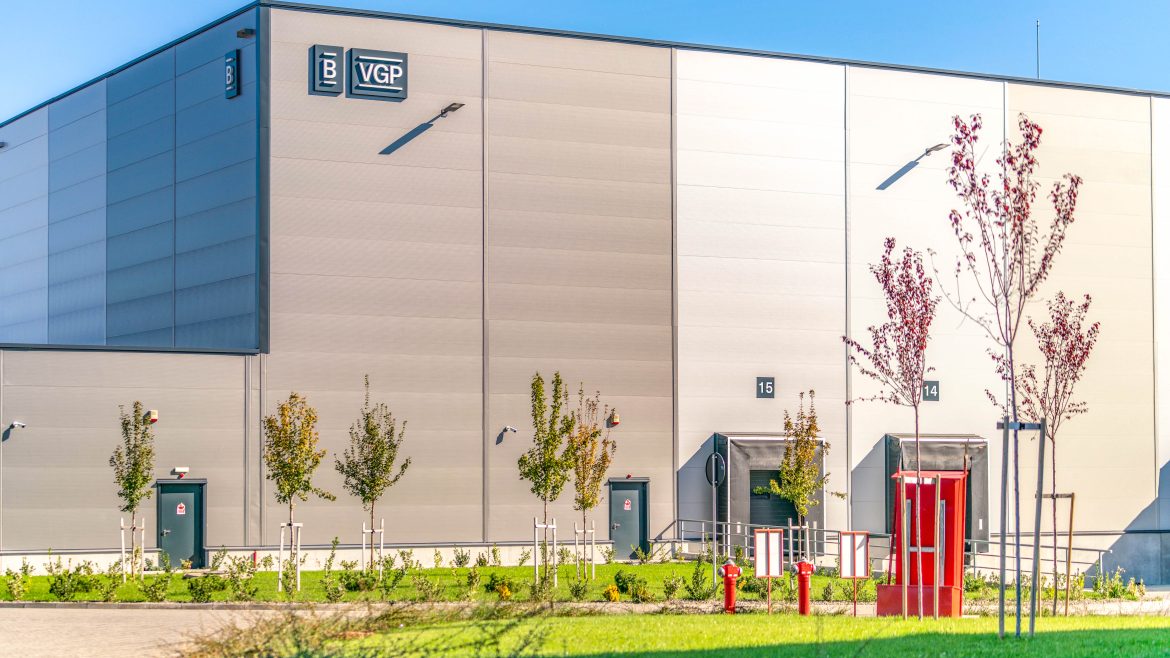
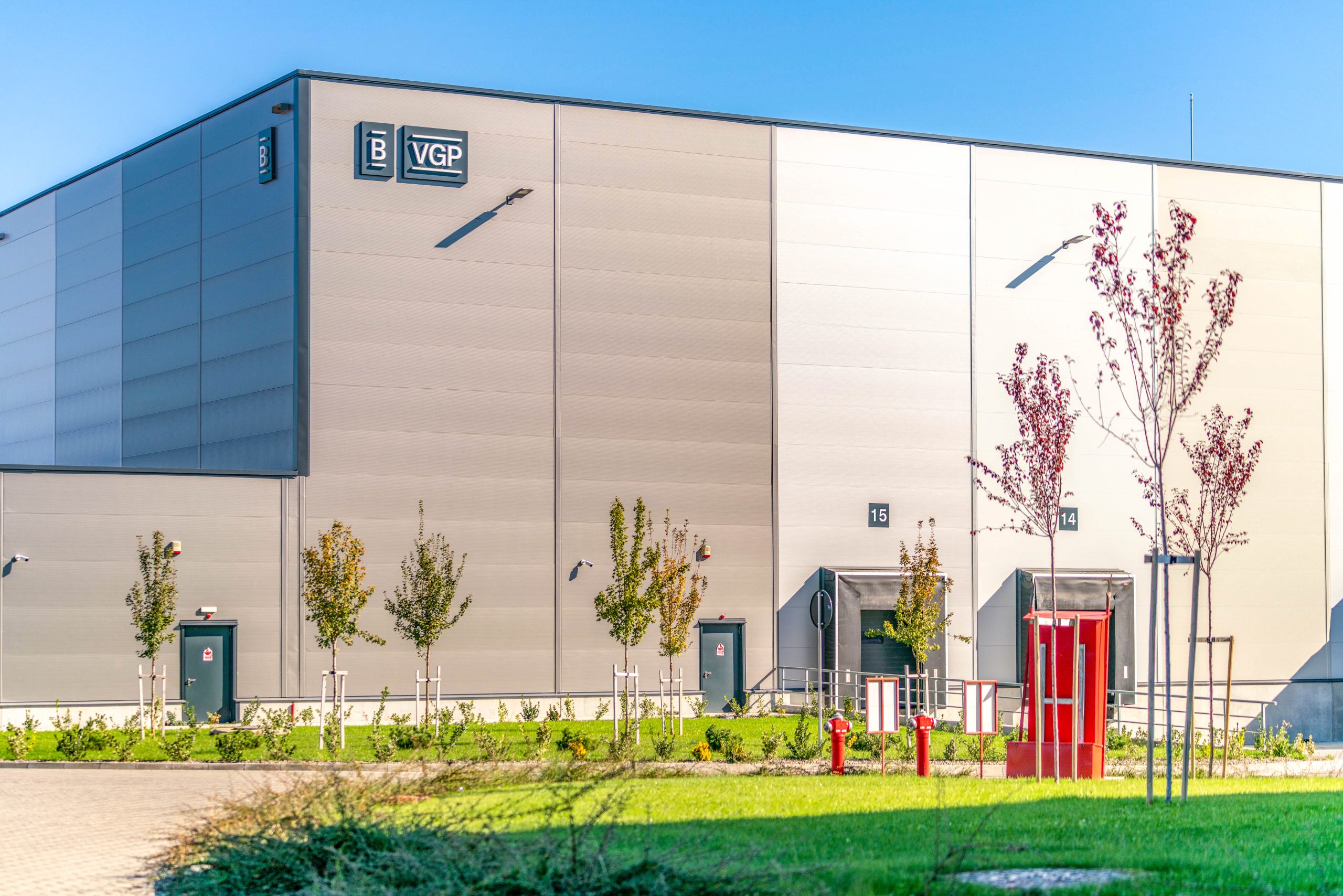
Major institutional investors maintain a strong local footprint and continue to expand. VGP currently has a new 35,000 sqm warehouse under construction. Concurrently, CTP is developing two industrial parks in the region: CTPark Brașov and CTPark Brașov West. Furthermore, M Core is set to launch its first-ever industrial project in Romania here—a 16,000 sqm development. This will be an in-city logistics project, meticulously partitioned into small-business modules.

According to analysts at The Seller & Partners, Brașov is undergoing a phase of organic expansion. This trajectory is fueled by major international players, a nationwide repositioning of the workforce, and forward-thinking urban planning that balances production areas with residential growth.

Investor appetite for industrial land remains high, with a clear focus on the North-West axis. While the strategic triangle formed by Cristian, Râșnov, and Ghimbav continues to attract the bulk of capital placement, development pressure is visibly shifting toward the wider metropolitan area. In 2026, attention is strategically turning toward Codlea. Its geographical positioning is evolving into an unbeatable competitive advantage: immediate proximity to Brașov International Airport and a direct connection to the future highway interchanges leading toward Sibiu (A13) and the Moldova region.

Dana Bordei (Large)

INSIGHTS FROM THE EXPERT

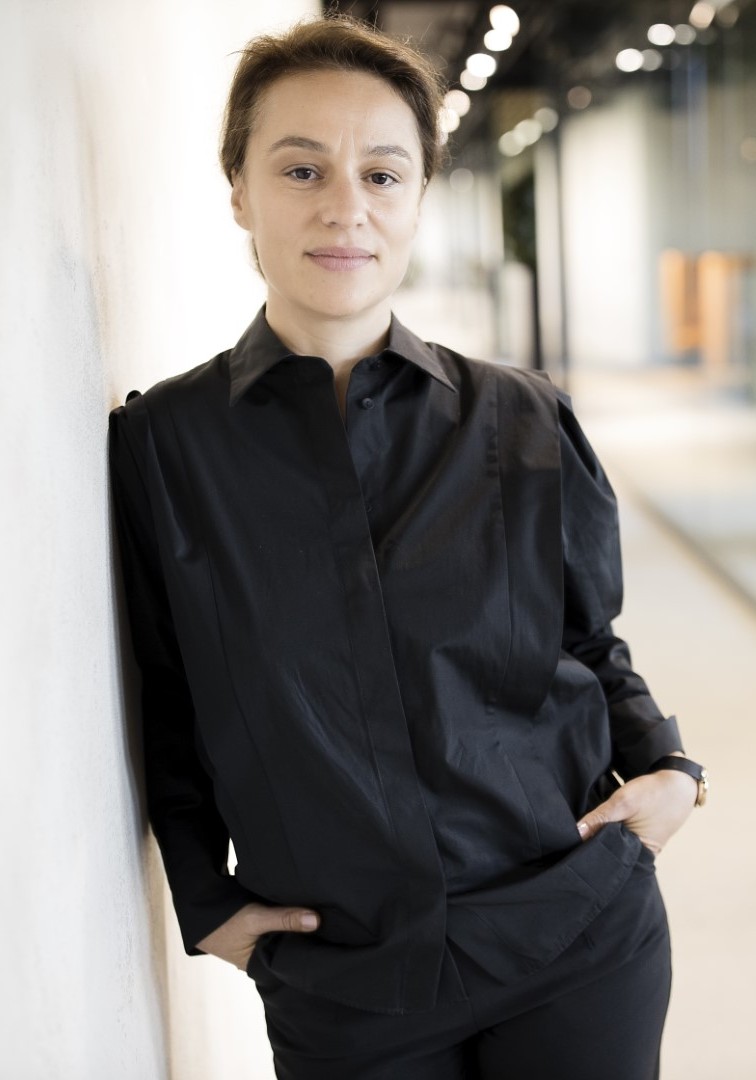
Dana Bordei, Country Commercial Manager, VGP Romania

Q: Brașov is a traditional manufacturing destination. What were the main challenges over the past year, and where do you see future growth opportunities?

Dana Bordei: Over the past year, the market has been shaped by several converging pressures: higher financing costs, continuous sensitivity toward construction and fit-out budgets, and a more cautious tenant base hesitant to make early commitments.

Simultaneously, occupiers have raised the bar regarding energy performance and operational cost predictability. This shift has moved negotiations away from mere base rents toward total occupancy costs and sustainability certifications. In essence, projects capable of delivering modern specifications, energy efficiency, and flexible unit sizing have consistently managed to capture demand.

Looking ahead, Brașov’s growth opportunity lies in its role as Romania’s central hub, both for production-adjacent operations and regional distribution. We see sustained demand coming particularly from: * Automotive and industrial supply chains (including suppliers and light assembly); * 3PL (Third-Party Logistics) and contract logistics servicing Transylvania and broader national coverage; * Pharmaceutical and healthcare distribution; * Companies seeking more resilient “nearshoring” footprints backed by solid labor access and reliable infrastructure.

At VGP, we have heavily focused on sustainability-driven differentiation, which is increasingly becoming a deal-breaker for international tenants.

Q: What is the current status of the VGP park, and who are the anchor tenants?

Dana Bordei: VGP Park Brașov already hosts an impressive portfolio of tenants spanning a wide array of sectors, such as automotive, pharma, distribution, and manufacturing—a testament to the park’s versatility and market appeal.

Among them are household names such as Inter Cars, Autoliv, RETURO, DB Schenker, Miele Tehnica, and Fildas, among others. These tenants highly value our strategic location, state-of-the-art facilities, and VGP’s unyielding commitment to quality and sustainability, which were key drivers in choosing us as a partner.

Developed on an impressive land footprint of approximately 360,000 sqm, the logistics park is master-planned to meet both current and future market demands, offering a total potential build-up area of 180,000 sqm.