While Brașov’s shopping center stock has remained constant at approximately 140,000 square meters—dominated by its two mega-projects, Coresi and AFI—investor attention has pivoting toward proximity retail and new urban agglomerations.
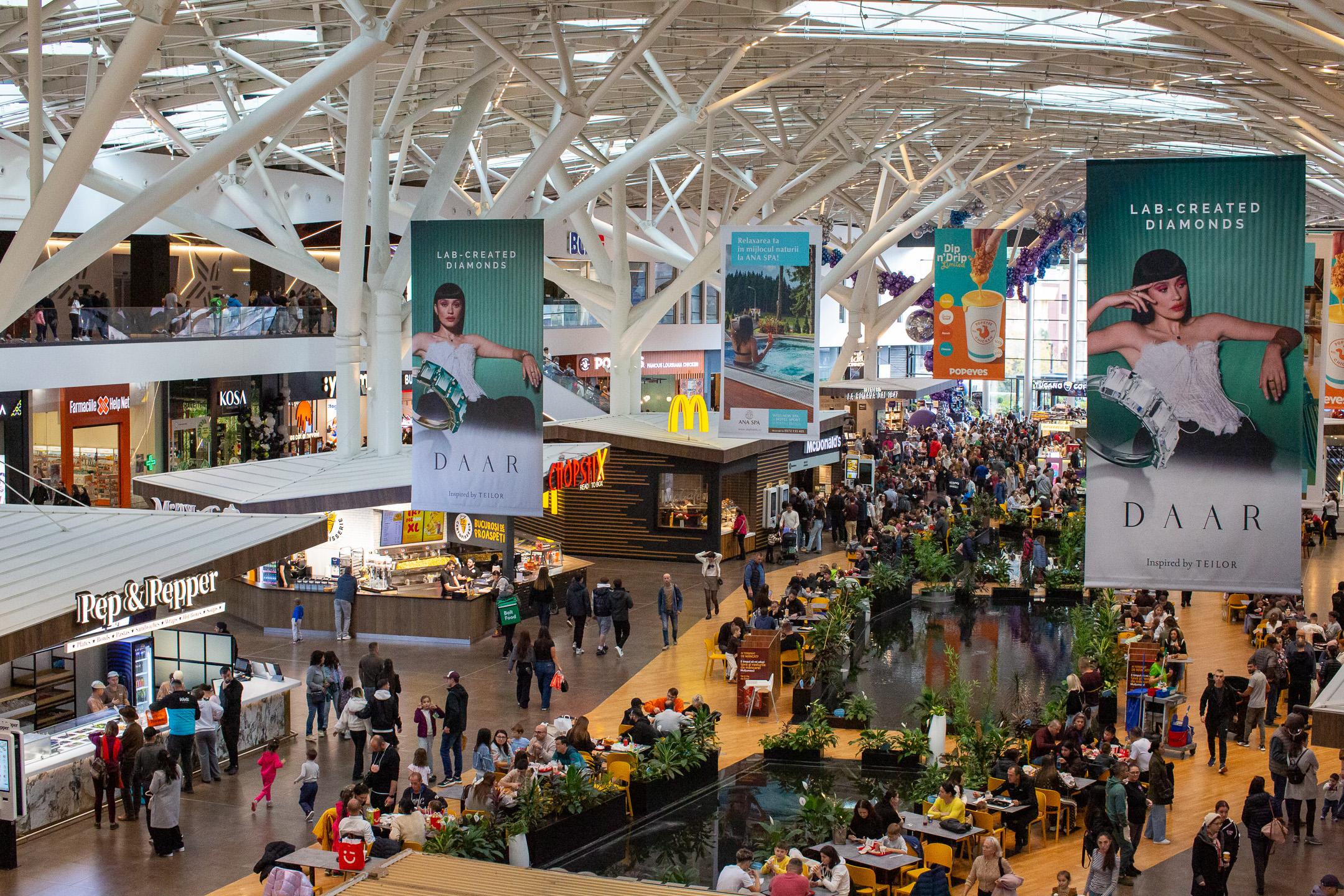
The Coresi Shopping Resort spans a gross leasable area (GLA) of 63,000 sqm and reached a milestone of 15 million annual visitors last year. This footprint was sustained by continuous community engagement and a dedicated campaign celebrating Coresi’s 10th anniversary, featuring music festivals, sports, and cultural projects. The Coresi brand remains one of the most acclaimed in the city, ranking 3rd in the “Top 100 Most Loved Brands in Brașov,” securing leadership positions in brand awareness and loyalty, according to Nhood data.
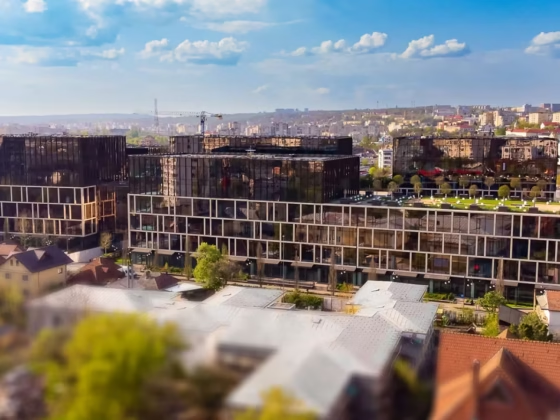
The next strategic milestone for Coresi is the transformation of The Hangar, a historic industrial structure that predates the current project and forms a vital part of the area’s identity. The development approach focuses on preservation and transformation rather than demolition, aiming to reactivate the space and integrate it as a new urban landmark and a connection point between generations, Nhood reports.
On the other hand, AFI Mall opened its doors in October 2020 with a footprint of 45,000 sqm. It hosts 150 stores and premium brands, including Zara, Levi’s, Tommy Hilfiger, Gant, Under Armour, Mango, and many others. The center features a 3,500 sqm terrace offering panoramic views of the Carpathian Mountains, equipped with playgrounds, relaxation zones, cafes, and numerous restaurants. Strategically located just a few minutes’ walk from the historical center , the mall boasts a monthly footfall of 750,000 visitors, 51% of whom are women.
RETAIL RENTS IN BRAȘOV
| Asset Type | Rent Range (Euro/sqm) |
| Shopping Centers / Malls | €30 – €40 |
| High Street Retail (Stradal) | €10 – €30 |
| Retail Parks | €8.5 – €9 |
Source: iO Partners
Market Maturity: The Shift to Flexibility and Proximity
According to data from The Seller & Partners, the starting point for 2026 reveals a retail market that has reached full maturity. Large “one-stop-shop” commercial formats have successfully covered the city’s main consumer axes. With a stabilized stock of modern space, Brașov no longer requires new commercial giants, but rather a more intelligent distribution of existing points of sale.
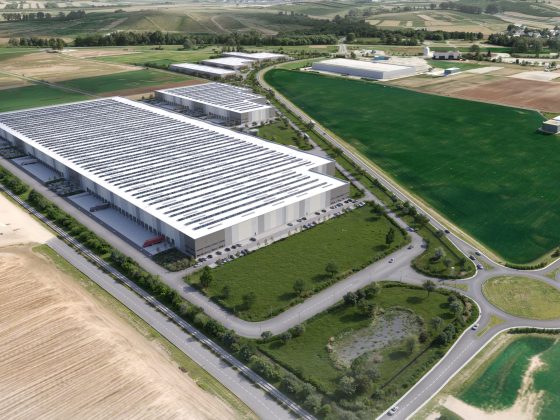
Despite high occupancy rates, the market is far from stagnant. While a wave of new pipeline projects is on the horizon, the underlying format has shifted radically. Developers are now betting heavily on Retail Parks and Strip Malls—more flexible structures with lower operational costs and direct street-level access. These developments aim to fill the “gaps” left by the massive expansion of previous years, offering a fast-paced alternative to lengthy mall shopping trips.
Currently, two such pipeline projects are under construction:
- Bartolomeu Retail Park: Developed by Repaco Capital in the north-western district of Brașov, this retail park is scheduled for inauguration in the near future and will feature a leasable area of approximately 5,500 sqm.
- Codlea Project (M Core): The British investor M Core is adding Brașov to its expansion map with a new project in Codlea. The investment targets the construction of three buildings on a 26,436 sqm plot of land. One building will host a supermarket, while the other two will be dedicated to commercial galleries, bringing the total announced built-up area to 6,864 sqm.
The “Catchment Area” and Community Target Strategy
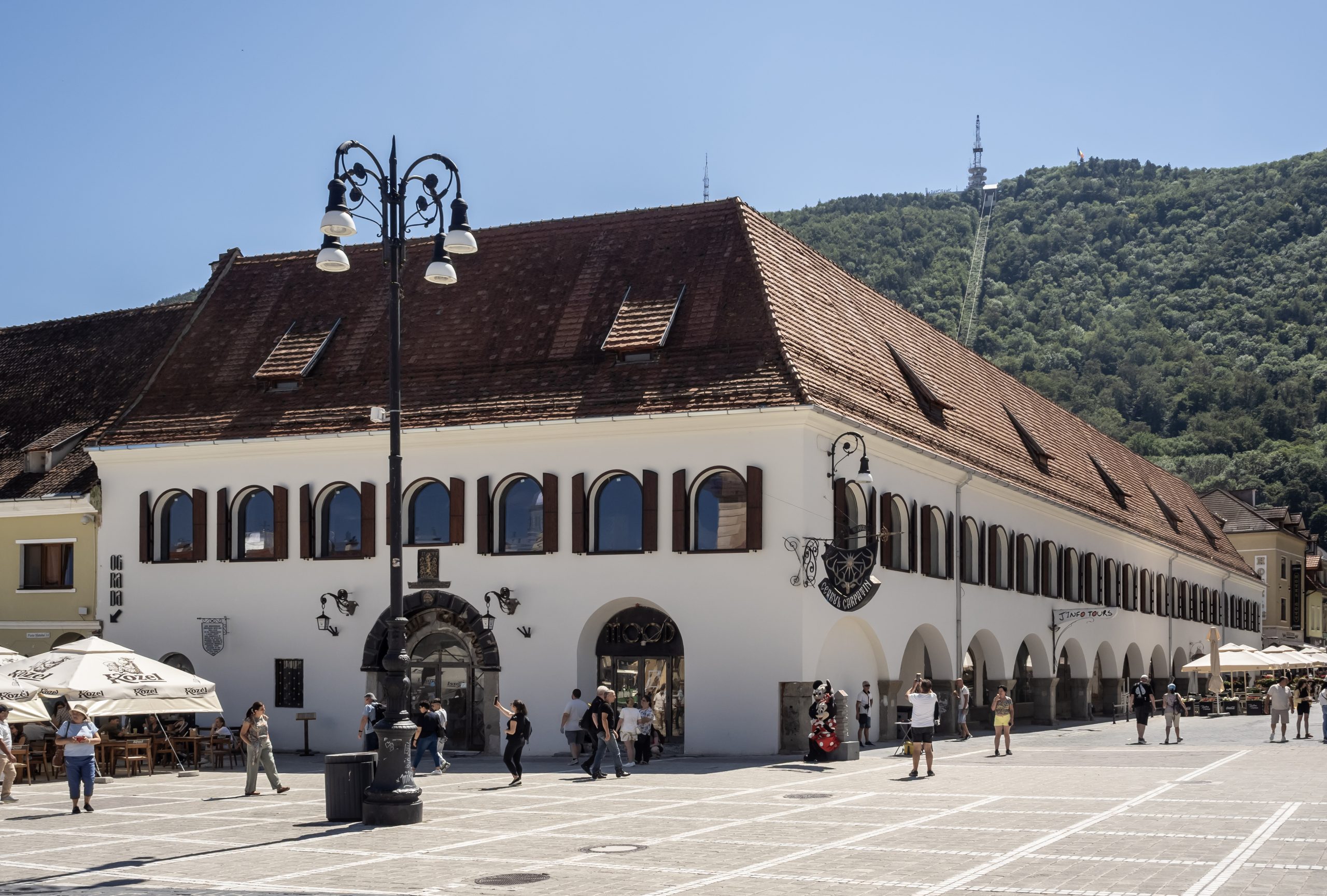
Ranked as the second most visited region in Romania after the capital, Brașov benefits from an extended catchment area, driven not only by the ski season but also by robust weekend leisure traffic. Consequently, prime downtown locations command high interest from investors and retailers alike.
A prime example is City Grill Group, the largest Romanian-capital restaurant chain, which closed 2025 with a consolidated turnover of €90 million. The group recently announced plans to renovate the famous Cerbul Carpatin restaurant. “The group invests in buildings that tell a story, where the public is drawn to an experience that is difficult to replicate in any other context or location,” company officials explained.
The chronology of recent developments points to a clear trend, note analysts at The Seller & Partners: where residential development builds up, retail inevitably follows. The current investor strategy targets high-density population clusters, shifting focus from general “high-footfall” thoroughfares to specific, localized communities. New projects are strategically positioned at the intersection of commuter flows between residential neighborhoods and business hubs, transforming retail into an essential proximity service.
Looking Ahead
Moving forward, the dynamics of the retail sector will remain intrinsically linked to medium and large-scale urban expansion. The growth of districts such as Tractorul Nord, Bartolomeu, or the new residential axis in the Astra-Noua area serves as the catalyst for the next phase of commercial construction. The strip mall is no longer an isolated project, but a mandatory component of the urban mix, validated by the modern consumer’s need to save time.
The Bottom Line: High-street retail and proximity retail parks currently represent the most resilient asset class in Brașov. In a market deemed “fully covered,” survival and profitability now hinge on developers’ ability to accurately read the city’s new residential maps and deliver retail spaces exactly where “the lights go on” in the newly completed apartments.