Real Estate Regional Hubs

IULIUS launches TILIA – Today’s Ideas and Leadership In Action (Summit of Romanian Cities), in partnership with the European Bank for Reconstruction and Development (EBRD)

IULIUS launches TILIA – Today’s Ideas and Leadership In Action (Summit of Romanian Cities), in partnership with the European Bank for Reconstruction and Development (EBRD) 2560 1707 ROMANIA PROPERTY CLUB
  • IULIUS launches new national initiative dedicated to concrete solutions for the development of Romanian cities.
  • The first edition of TILIA Romanian Cities Summit will take place in Iasi on April 23-24, 2026.
  • Over 300 leaders from administration, investment and financing, architecture and civil society gather in Iasi to discuss urban planning and mobility, public-private partnerships and affordable housing.
  • EBRD, one of the largest institutional investors in Romania and a leader in urban regeneration and sustainable real estate, joins TILIA as strategic partner to advance practical, finance‑ready solutions for greener, more inclusive cities.
  • First ever architectural exhibition from Foster + Partners, a renowned international architecture firm, to open to public at the Palace of Culture in Iași. Available for visit April 7 – May 3, 2026.

IULIUS announces the launch of TILIA – Today’s Ideas and Leadership In Action, a national initiative dedicated to concrete solutions for the development of Romanian cities. Implemented through the IULIUS Foundation, TILIA marks the beginning of an annual initiative of dialogue and collaboration for urban development. The first edition of the Romanian Cities Summit will bring together, on April 23–24, 2026, at the Palace of Culture in Iași, over 300 mayors, architects, urban planners, representatives of international financial institutions, academia and civil society, to build together applicable solutions for a better life in Romania’s cities. The summit will be complemented by a national premiere architecture exhibition that can be visited at the Palace of Culture between April 7 and May 3.

The ambition of the initiative is to become an annual benchmark for all actors involved in the transformation of cities in Romania – a space for dialogue in which the urban vision is directly connected with concrete financing and implementation mechanisms, in order to generate real solutions and collaborations that can be put into practice.

“We often talk about cities either in terms of the future or looking backwards. Through TILIA we want to bring the conversation to the present, to what we can do concretely, today, for the cities in which we live. We thought of this approach as a framework in which administrations, investors, architects, academia and civil society work together, not only to generate ideas, but to transform them into applicable solutions, based on real examples and on the application of lessons learned and on the exchange of good practices” said Raluca Munteanu, Development Director, IULIUS.

“The EBRD is delighted to partner with IULIUS in TILIA, bringing Romania’s cities into the spotlight and working together to chart practical pathways towards greener urban spaces, better housing standards and more inclusive communities. We’re excited to lend our expertise to drive the initiative forward.” said Victoria Zinchuk, EBRD Director, Head of Romania.

Future Proof: Foster + Partners architectural exhibition (April 7 – May 3, 2026, Palace of Culture, Iași)

One of the key moments of the first edition is the exhibition, Future Proof by Foster + Partners, presented for the first time in Romania. Recognized worldwide for emblematic projects on six continents and built projects in over 45 countries, Foster + Partners will bring to the Palace of Culture in Iasi 30 models, 3D modulations of representative international projects.

The opening of the exhibition will take place on April 7, 2026, and the works can be visited until May 3, 2026 at the Palace of Culture in Iași – offering the general public, but also professionals in the field, the opportunity to explore decades of world-renowned architecture and urbanism, from Apple Park to the Great Court at the British Museum, the Reichstag (the new building of the Berlin

The exhibition reflects Foster + Partners’ approach to architecture and urbanism, built over more than five decades, around responsible, adaptable and sustainable design. From interventions on historic buildings to masterplans for low-carbon cities and urban systems, the projects presented explore how infrastructure, energy and public spaces can contribute to the development of resilient communities.

Maximilian Zielinski, Senior Partner, Foster + Partners, said: “This is an exciting opportunity to present over five decades of the practice’s work to the people of Iași – inside an incredible building that is the centrepiece of our new masterplan for the historic area. The exhibition sheds light on our approach, which has always been defined by a future-facing commitment to innovation and responsible design”.

During the TILIA – Today’s Ideas and Leadership In Action, the exhibition will be complemented by a masterclass held by the Foster + Partners team, giving architects, urban planners and decision-makers the opportunity to dialogue directly about the application of these principles in real projects.

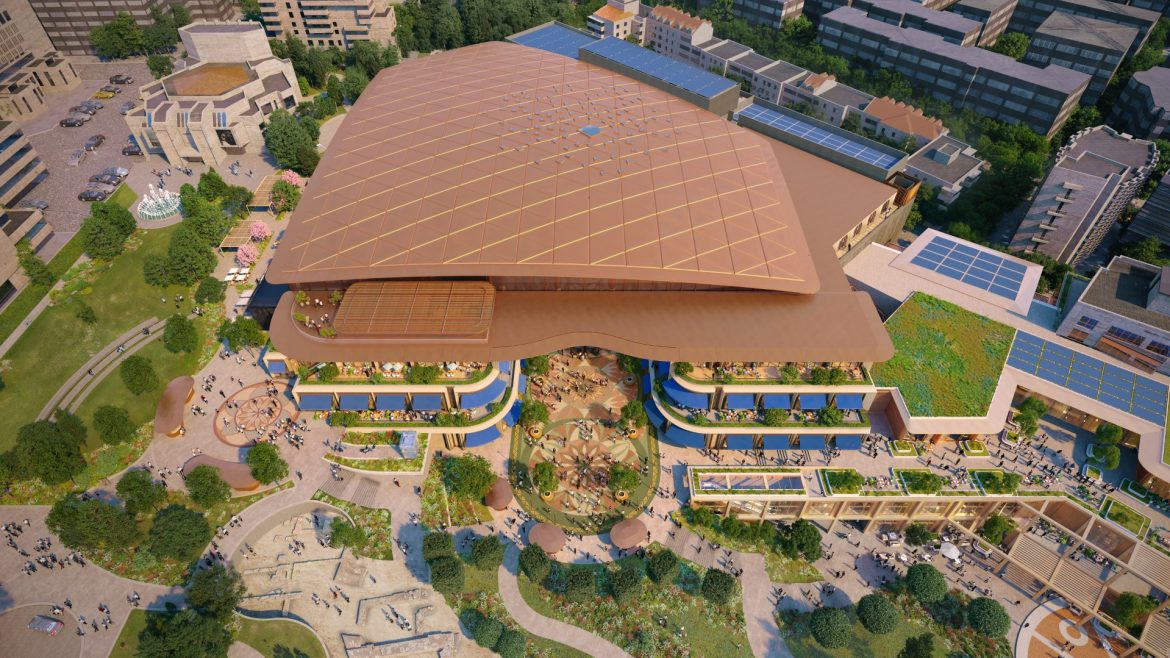
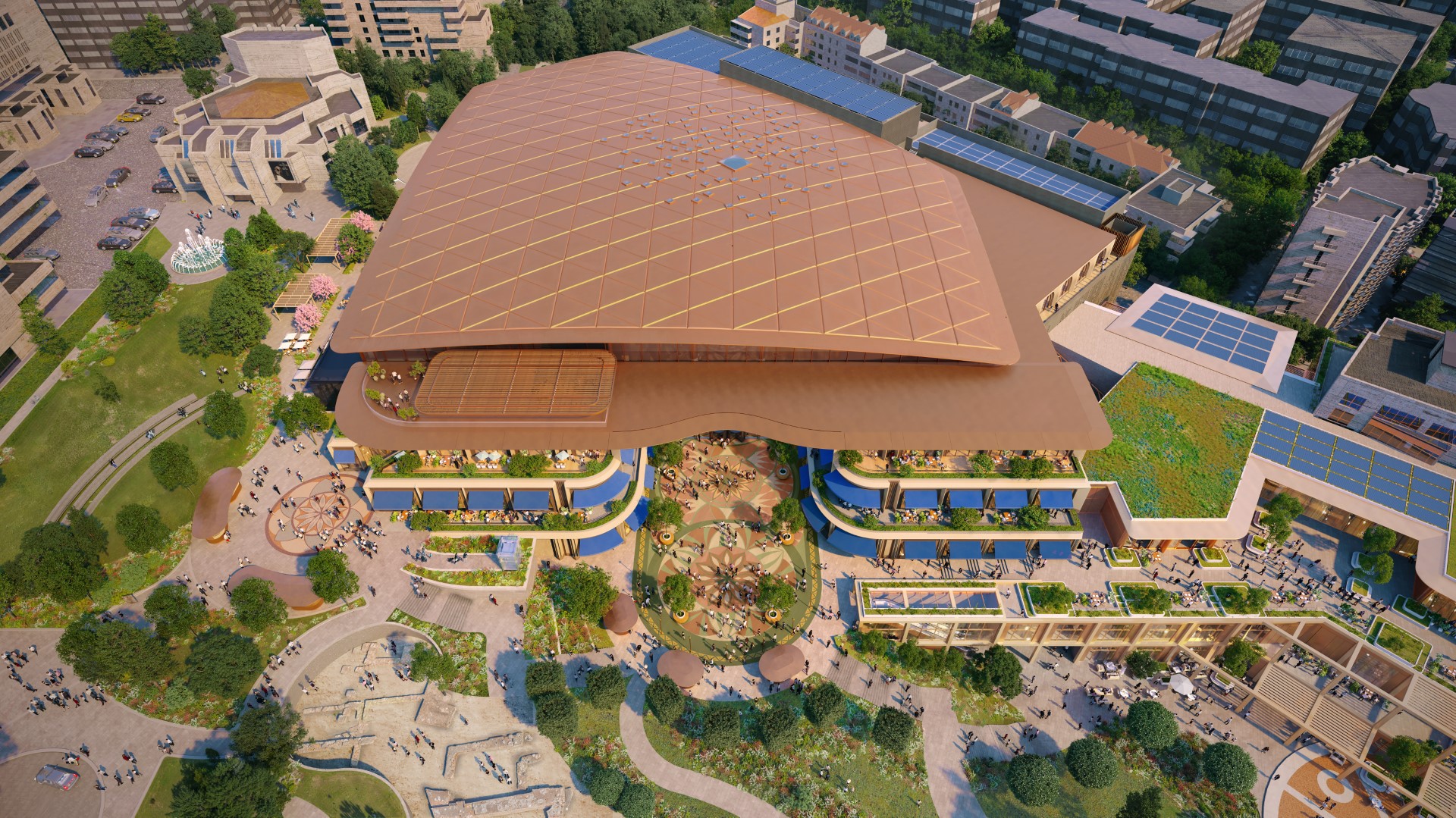
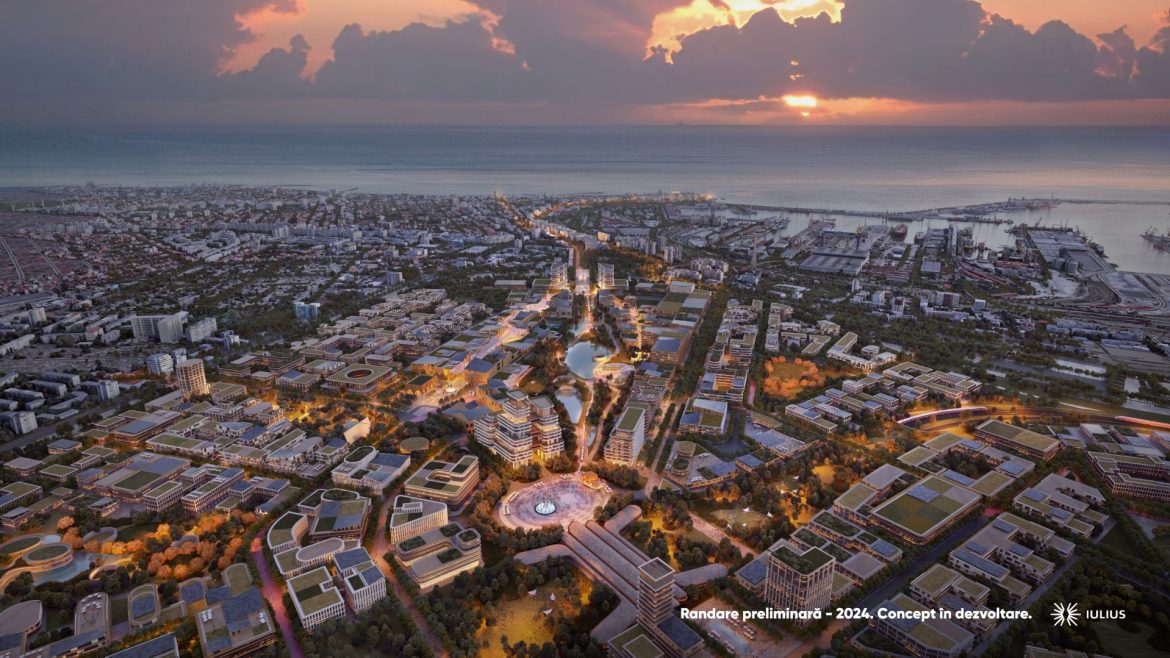
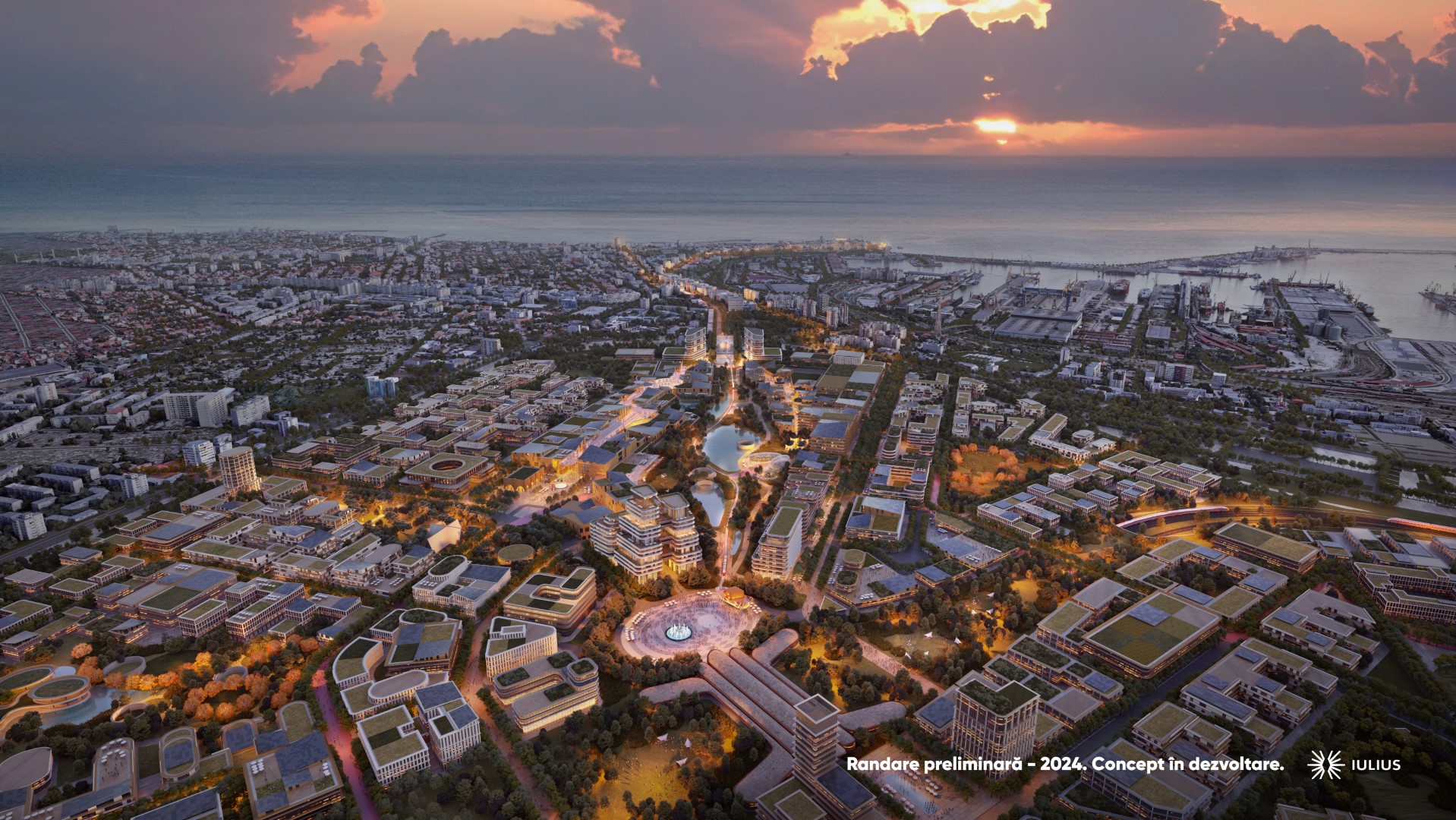
IULIUS entered a new strategic phase in its development and partnered with Foster + Partners on two projects that were underway: the redevelopment of the Palas mixed-use complex adjacent to the Palace of Culture in Iași, and a vision for the urban regeneration of 38 hectares of former industrial land in central Constanța.

Romanian Cities Summit: from vision to implementation (April 23-24, 2026, Palace of Culture, Iași)

The first edition of the Romanian Cities Summit is built around the idea that cities transform when vision and implementation are approached together.

Day one, April 23 – Urban Vision and Design – explores the principles behind vibrant and people-oriented cities, with international perspectives and case studies in urban regeneration.

The next day, April 24 – Financing and implementation – moves the discussion from vision to concrete mechanisms: financing urban projects, structuring public-private partnerships and solutions for one of the most pressing urban challenges: affordable housing.

Full agenda is available on TILIA official website.

On the main stage, representatives of commercial banks, international development finance institutions together with public policy experts will debate the current challenges of cities – from financing to the legislative framework – with the aim of generating solutions that can then be taken over by all the actors involved.

In parallel, on the second stage, Cities in the Making: Design, Culture and Nature explores the forces that shape the character of a city – from architecture and creative industries, to mental health and green infrastructure.

At TILIA – Today’s Ideas and Leadership In Action, the Romanian Cities Summit, an event held between April 23-24, in Iași, over 300 participants – mayors, architects, urban planners, representatives of academia and civil society – are expected to discuss concrete solutions for the development of cities in Romania.

About TILIA – Today’s Ideas and Leadership In Action

TILIA – Today’s Ideas and Leadership In Action, the Summit of Cities in Romania, is an initiative developed by the IULIUS group, through the IULIUS Foundation, dedicated to concrete solutions for the development of cities in Romania.

TILIA is designed as an annual initiative, which brings together public administrations, investors, financial institutions, architects, academia and civil society in an implementation-oriented framework of dialogue and collaboration.

TILIA aims to become a benchmark for collaboration between actors involved in urban development in Romania.

Details: www.tilia-summit.ro

Nhood Romania transforms abandoned or underutilized spaces into active community projects through real estate upcycling

Nhood Romania transforms abandoned or underutilized spaces into active community projects through real estate upcycling 2560 2225 ROMANIA PROPERTY CLUB

Nhood, an integrated real estate services and solutions company present in 10 European countries, including Romania, proposes an innovative solution to transform abandoned or underutilized spaces into community-relevant projects through real estate upcycling, a practical and sustainable approach to the challenges of accelerated urban development. Nhood proposes the reconversion of former industrial platforms, vacant commercial buildings, and unused land. These spaces are given a new life, becoming active community centers with housing, offices, green areas, and commercial spaces, thus revitalizing urban areas.

Nhood applies the real estate upcycling strategy in several projects within the services portfolio it manages for its clients, which, unlike recycling, offers a second life to existing spaces, leveraging on their uniqueness and history. Through this urban intervention, the company combines sustainability with respect for the history and specifics of each location, transforming non-functional buildings and areas into sustainable urban ecosystems with a real economic, social, and cultural impact on cities.

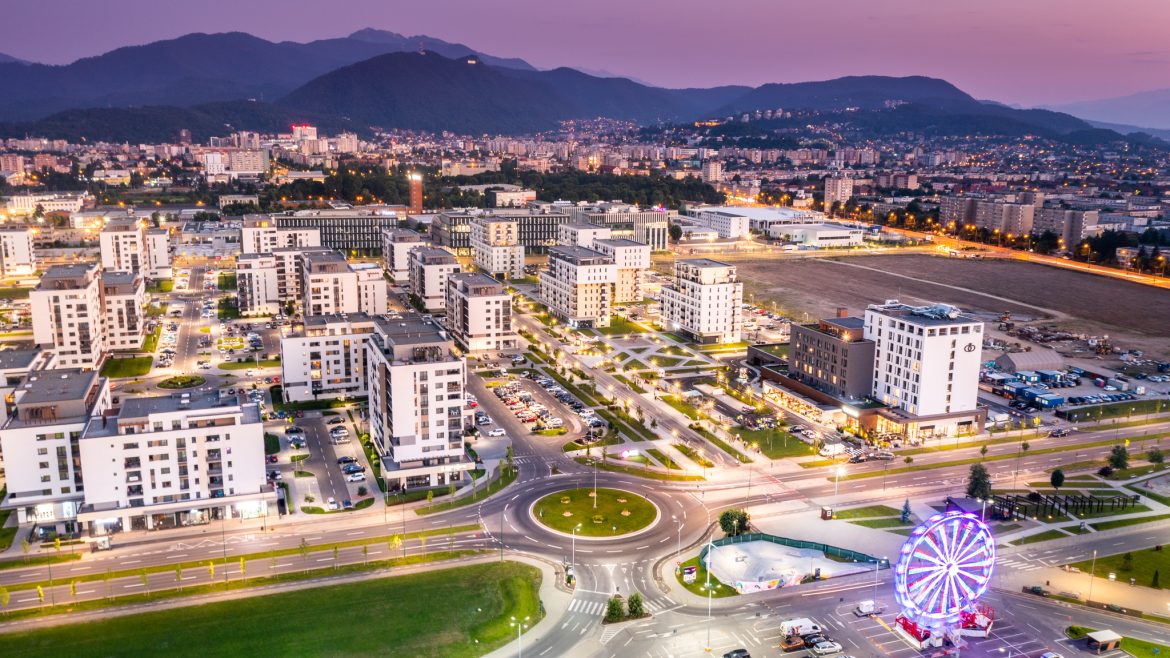
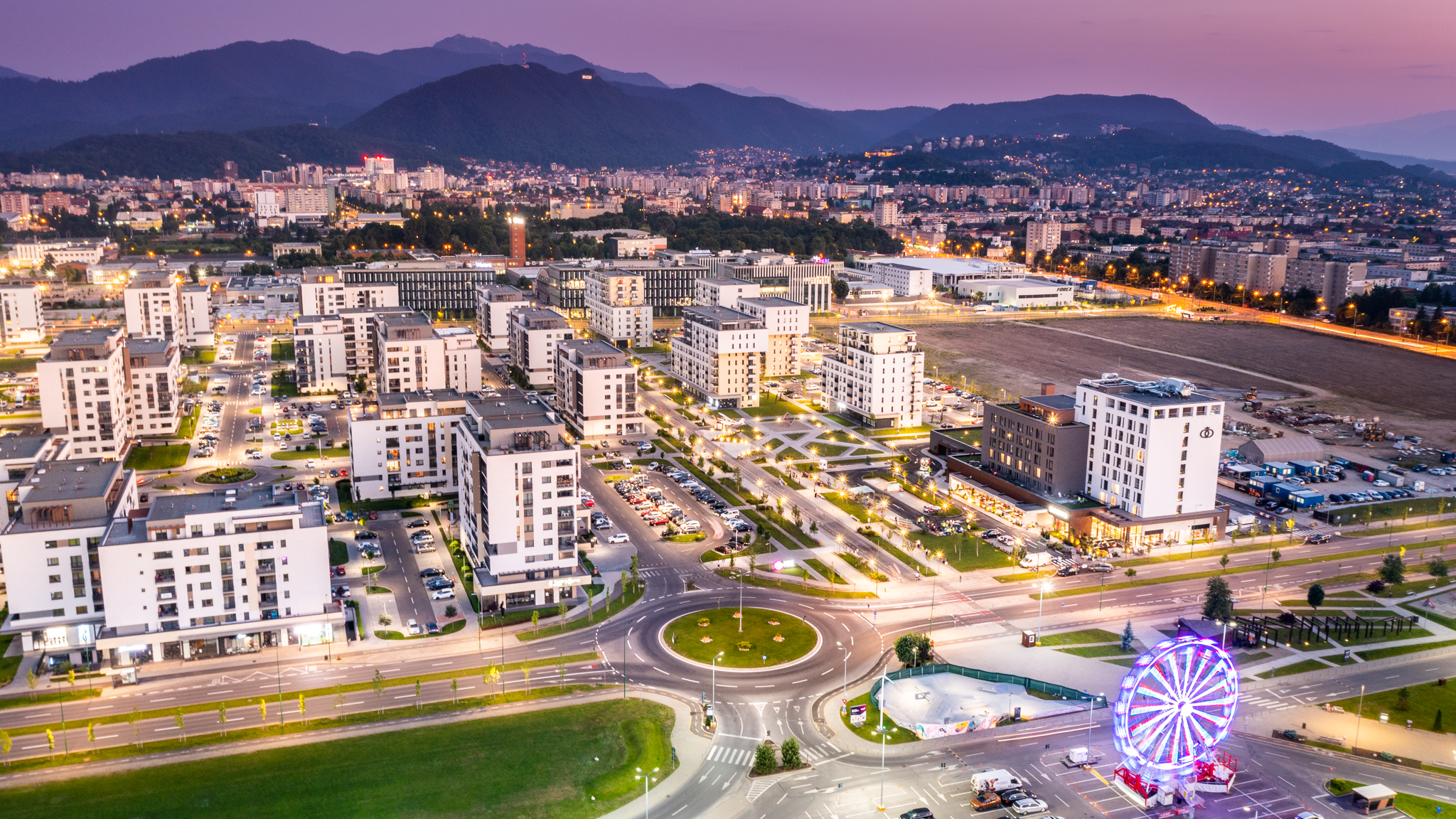
One such example is Coresi District in Brașov – the largest urban regeneration project in Romania – which Nhood manages and supports in its continuous development. Covering an area of 120 hectares, the former industrial platform has been transformed into a modern and dynamic district that integrates mixed functions – from retail and offices to residential, education, culture, and green spaces, while preserving the historical identity of the place. Within the same project, Nhood is coordinating the rehabilitation of a 3,000 sqm industrial hangar, which will become an entertainment space, retaining its original architecture and adding a new urban functionality.

At the same time, the company offers real estate upcycling solutions to several Aushopping commercial centers, proposing the remodeling of existing spaces to better meet the current needs of local communities. And in Bucharest, Nhood has proposed transforming the roof of the Drumul Taberelor shopping center – a previously unused space – into a 17,000 sqm urban garden, intended for relaxation, educational activities, and community initiatives.

“Romanian cities have a real opportunity to actively regenerate abandoned or underutilized areas without erasing their history. Real estate upcycling means exactly that: transforming spaces with an industrial or commercial past into a coherent, connected, and sustainable urban future. It is an efficient, scalable solution with proven positive impact,” stated Elena Bocan, Head of Market Nhood Romania.

These types of projects have the potential to fundamentally change the lives of local communities by attracting investments, generating jobs, stimulating cultural and social initiatives, and revitalizing areas once neglected.

The real estate upcycling process contributes to balancing urban development, bringing complementary functions to neighborhoods that need diversification and revitalization. These interventions reuse existing infrastructure and create opportunities for a more sustainable, connected, and participatory lifestyle.

In addition to ongoing projects, Nhood Romania is considering such initiatives in key cities across the country, aiming to transform commercial or industrial areas into mixed-use complexes – with complementary retail, office, residential, services, and green space functions.

“Through this campaign, we reaffirm Nhood’s mission to transform existing spaces into valuable places for the community, with respect for their history. Real estate upcycling means building the future from what we already have – with responsibility, vision, and creativity,” stated Monica Dima, Head of Brand Marketing & Communication at Nhood România.

The campaign conveys the belief that the future of real estate development lies not in demolition and reconstruction, but in the creative repurposing of what already exists. The campaign’s visual identity is created by Estonian illustrator Eiko Ojala, whose minimalist and conceptual work symbolizes transformation, depth, and the intelligent reuse of space — central themes in Nhood’s philosophy.

Through this manifesto, Nhood presents a truly innovative vision: real estate upcycling is not just a trend, but the future of cities and regions.

Romania Steps into the Spotlight at the BREEAM Awards 2025: Five Nominations and One Trophy

Romania Steps into the Spotlight at the BREEAM Awards 2025: Five Nominations and One Trophy 2560 1176 ROMANIA PROPERTY CLUB

Romania made a strong impression at the BREEAM Awards 2025, the most prestigious international event dedicated to sustainability in the real estate sector. Organized in London by the Building Research Establishment (BRE), the awards gala brought attention to five Romanian projects and initiatives—one of which was awarded the ESG Rising Star trophy.

Adrian Pop, architect and founder of ADP, was named the winner of the ESG Rising Star category, a recognition for professionals who have made an accelerated and significant impact in promoting sustainability in real estate.

“The winner is an architect, sustainability consultant, and systems thinker whose mission has been to embed ESG principles across real estate, public architecture, and community infrastructure. He has built a company that leads by example—through rigorous technical expertise, impactful sustainability strategies, and a genuine commitment to social and environmental value.

In 2024 alone, his organisation delivered 168 BREEAM certifications, covering over 2 million square metres, across 9 countries, with zero halted assessments and an average score of 72.4%.

His vision is to make sustainability scalable, practical, and transformative—using BREEAM not only for compliance, but to shape investment strategies, community resilience, and public policy.”
James Fisher, jury member and Head of Strategic Partnerships at BRE.

In addition to Adrian Pop’s win, Romania was represented by four other shortlistings:

  • ADP, shortlisted for Best Assessor Company
  • Adrian Pop, shortlisted for ESG Outstanding Achievement
  • YUNITY Park – Building F, shortlisted for BREEAM Lifecycle
  • Arghezi 4 Office Building, also shortlisted in the Best BREEAM In-Use | Commercial.
    Building category and awarded a Highly Commended distinction

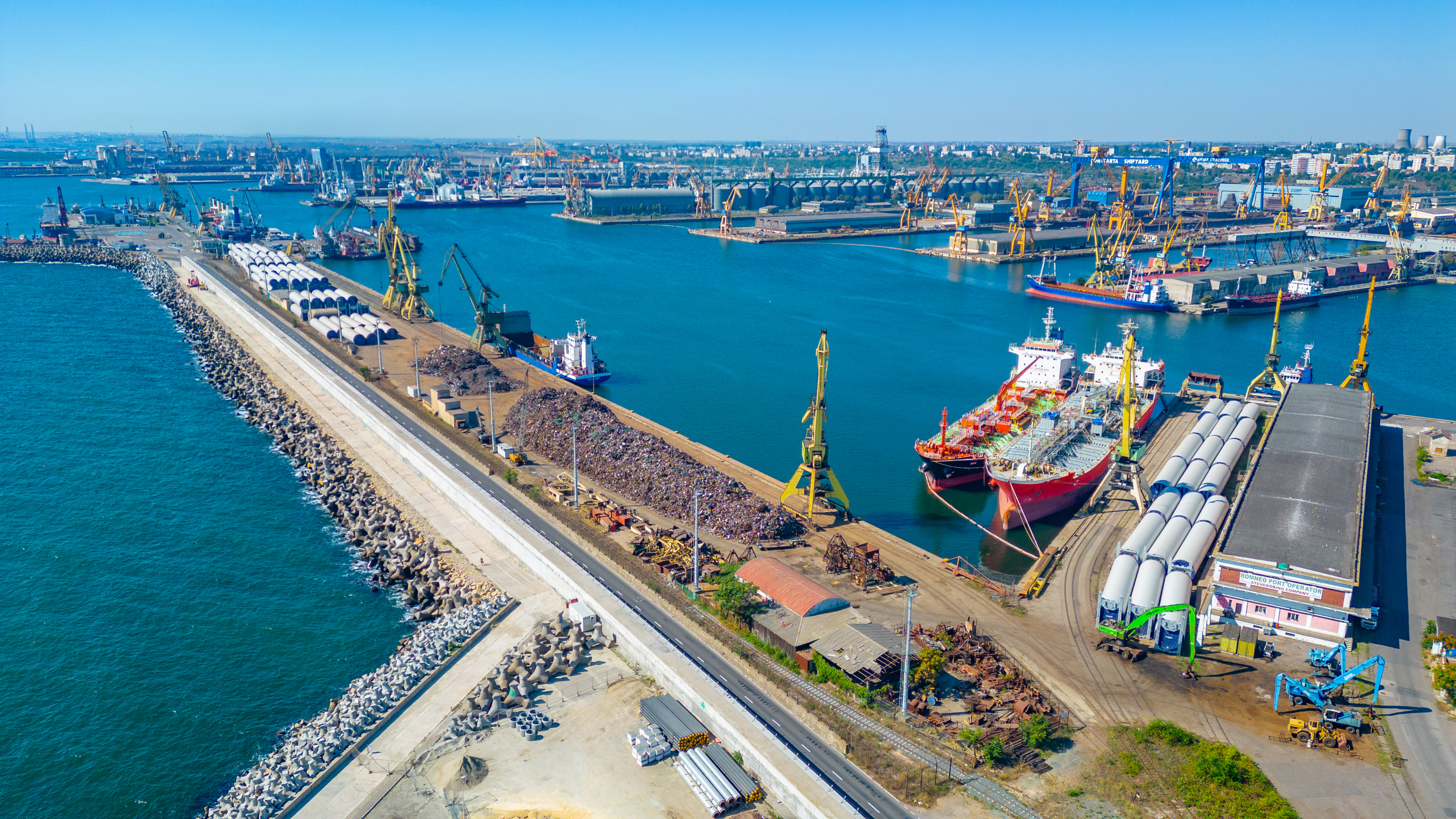
Old touristic infrastructure in Constanța demolished for new, modern projects

Old touristic infrastructure in Constanța demolished for new, modern projects 1920 1078 ROMANIA PROPERTY CLUB

With an old touristic infrastructure, a new trend emerges in the Constanta hotel market: the outstanding hotels are being demolished to make room for new, modern projects, adapted to the present demand. Statistics show that in 2024 around 3,000 hotels rooms were closed in Constanta County. This trend will continue in the coming years due to old hotel infrastructure and intensive investment budgets to increase quality of services.

As infrastructure works for better mobility in the south of the seaside advance, we expect to see new investments in Eforie, Costinesti and Neptun-Olimp.

EST HOSPITALITY CONCLUSIONS REGARDING MAIN TRENDS ON SEASIDE TOURISM

  • In the last two years the number of hotels for sale in Constanta county increased. Most of the properties for sale are ranked at 2* and 3*.
  • There is a big potential for new supply addition in 5* category for Constanta and Mamaia where seasonality is reduced.
  • The highest potential is for the hotels with medical treatment (ie sapropelic mud and other medical procedures) that can operate year-round with the lowest seasonality.
  • 5% of tourist’ arrivals and overnights in 2024 were in apartments for rent.
  • Average length of stay in hotels was 2.7 nights and 2.8 nights in apartments for rent.

2025 Constanța Economic Outlook

2025 Constanța Economic Outlook 1620 1080 ROMANIA PROPERTY CLUB

Constanța is steadily continuing on its path of being one of Romania’s regional powerhouses. The touristic destination is also an unshakeable pillar of the country’s defence, energy, and food security. Constanta is looking ahead to turbo-boosting its superpowers and a slow transition towards building a corporate culture.

One of the country’s most powerful developers & investors, IULIUS, moves forward with its master planning for the urban regeneration project on 38 hectares, which previously housed the operations of the country’s largest oil products storage and import/export. To draw its vision, the company has retained one of the most prestigious UK-based architectural companies, launched public debates over future functions, and is progressing with the soil decontamination and regeneration phases.

Meanwhile, a smaller, yet more agile entrepreneurial developer is analysing the opportunity of promptly answering the city’s needs for modern office and retail space, potentially serving as an incubator for companies looking to tap into one of Romania’s largest pools of graduates. These initiatives are crucial for Constanta. While the county is uniquely strong in terms of military, energy, shipping & logistics, and agricultural capabilities, these sectors tend to be moderately employment-intensive; thus, a significant part of the locals rely on seasonal tourism jobs for their livelihood. Should the county be able to retain its generous student pool and enjoy year-round employment, the overall prosperity of the region will significantly increase.

Until construction takes shape, the county needs to focus on developing its current strengths. Constanta experiences one of the highest increases in incoming tourists, 11.47% y-o-y growth, above the capital city’s expansion (9.35%) and more than double the national average (4.75%). The city’s grand reopening of the Casino, an art nouveau historical landmark, after years of restoration efforts, should attract new interest. It is to be determined whether it can fully balance out the adverse effects of cancelling the Neversea festival and the restrictions on vacation vouchers during a more cautious consumer behaviour season. New emerging festivals such as “Beach!Please” could help maintain numbers.

New investments in energy infrastructure are steadily moving forward. This year, the authorities began drilling for the first well of Neptun Deep and overcame multiple attempts to stall or block construction initiated by international NGOs. Neptun Deep is of utmost importance not only for Romania, but for Europe as well. In addition to Germany, Hungary is now negotiating to purchase future production. The project can redraw the map of political and economic influence on the continent. Another key event during the past 6 months has been the signing for building the 3rd and 4th nuclear reactors of Cernavoda Power Plant. An international consortium formed by Flour, Sargent & Lundy, Atkins Realis, and Ansaldo will deliver 1,400 MWh of new energy production in seven years. Meanwhile, a 2 billion EUR retrofit contract for Unit 1 was signed. Thanks to its strategic positioning along the Black Sea coast, Constanta plays an essential role in renewable energy, as well. GWhs are built or under development by powerful international investors such as INGKA, Monsson, Rezolv Energy, Copenhagen Infrastructure Partners, Electrica, Eurowind, PPC, Ecoenergy, among others. By mixing the local energy expertise and agricultural production strength, BSOG Energy, backed by Carlyle, launched a new 65 million EUR biomethane and organic fertilized plant in Constanta.

In addition to the expansion of the Mihail Kogalniceanu military base, the strategic defence role of Constanta shall be enhanced by further investments in the Military Port. The Romanian Naval Forces began work on a new wharf and advanced military logistic capabilities. Most recently, the EU unveiled its defence strategy for the Black Sea. In addition to the NATO military base, Kaja Kallas, the EU Diplomacy-Chief, announced major investments in road, air, sea, and rail logistics for heavy equipment transportation. The EU shall establish a Sea Security Hub in the Black Sea, which will serve as an early warning system for potential threats. At the 3Seas Initiative security forum in Warsaw this year, the importance of building the northern corridor of Via Carpathia was yet again underlined by the President.

Meanwhile, at the local level, the city council made small steps towards improving the living infrastructure, mostly relying on EU funds: the student housing was refurbished, the central heating system underwent upgrades, and the flagship Gheorghe Hagi stadium finally signed the financing contract. At the county level, one of the most significant developments is the “Techirgiol Alternative Highway”, which enables much faster traffic distribution to the beach villages along the coast. The government approved the feasibility numbers, and the bid for works is pending. Meanwhile, the Eforie public authorities are attempting to streamline traffic by constructing a couple of flyovers; the bid was recently caught in red tape, and we’re waiting for new developments.

1.5 Million tourists speed up Brașov’s touristic infrastructure development

1.5 Million tourists speed up Brașov’s touristic infrastructure development 1621 1080 ROMANIA PROPERTY CLUB

1.5 mln tourists were registered in Brasov county in 2024, 3rd destination nationwide, following Bucharest – 1.9 million and Constanta – 1.7 million (hotels & short-term rentals), according to National Statistics Institute. Overnight stays in both hotels and apartments recorded 2.8 million people, third value nationwide, following Constanța -5.5 million and Bucharest -3.9 million.

As Brasov is gaining a lot of attention as a touristic destination, making it on the recommendation list of publications such as National Geographic or Vogue, international hotel brands are targeting this city. Over 700 branded hotel rooms are expected to be inaugurated in 2025. In total, the county has 128 hotels with 5,871 rooms.

The information for Brasov, gathered by RPC from Est Hospitality, a tourism consultancy company, shows that:

  • Tourist arrivals and overnights in hotels are still below levels of 2019.
  • 19% notable increase of overnights in apartments – competition is getting serious for hotels.
  • Growing trend is expected to continue in the coming years due to the pipeline of new branded hotels, the number of festivals and the increased number of MICE events.

Mircea Draghici, Managing Partner, Est Hospitality: “2025 is a key year for Brasov with five new branded hotels following to open and bring an offer of 727 rooms on the market. Those inaugurations are expected to also boost the number of foreign tourists looking for standardized hotel services.”

BRAȘOV, expected to become more strategically on Romania’s map

BRAȘOV, expected to become more strategically on Romania’s map 1618 1080 ROMANIA PROPERTY CLUB

Traditionally a manufacturing and tourist destination, its location is gaining even more significance due to the strengthening of the defence sector and transportation routes.

The Cincu military base was extended and is now ready to receive 4,000 troops engaged in tactic exercises. The newly inaugurated Brasov Airport received infrastructure upgrades to extend its capacity to receive military cargo and to improve response time. Rheinmetall is building Europe’s largest gunpowder factories in Victoria, supported by European Defence Fund financing. The delivery is forecasted for Q1 2027 and shall strategically contribute to Romania’s defence independence.

900 Million EUR Public Investments

The City Hall has budgeted 154 million EUR for investments in 2025 to be allocated for education (new kindergartens and nursery schools, as well as consolidation of old schools), public development (new Pneumology Hospital, Polyvalent Hall, Youth Stadium, new parks and rehabilitation of public buildings), infrastructure and tourism (expansion and streamlining of the ski area in Poiana Braşov – stage II)

The County Council has a budget of 172 million EUR for infrastructure updates: 100km for county roads and 53.1 km for Brasov Metropolitan Belt.

One of the most talked about projects is the Rheinmetall gunpowder factory in Victoria, a project totalling over 500 million EUR, backed by funds from European Commission as well as Romanian public funds.

Another 20 million EUR are allocated for an integrated dual education campus to be build In Stupini area, comprising classrooms, technological workshops, a library, student housing, a cafeteria and a gym.

Looking ahead, road infrastructure investments such as the Comarnic motorway, Sibiu–Fagaras highway, and the future Bacau – Brasov highway (feasibility study stage) truly put Brasov at the heart of the country.

Tourism in the Spotlight

In terms of the local economy, the slowdown of the auto sector led to temporary unemployment and a priorities realignment for multinational companies present in the areas. However, the versatility of the local economy proved powerful, as the new hotel openings and commitments buffered any concerning news.

As Brasov is gaining a lot of attention as a touristic destination, making it on the recommendation list of publications such as National Geographic or Vogue, international hotel brands are targeting this city. Last year Swissotel inaugurated in Poiana Brasov, while another 1,100 rooms are under development from brands such as Hyatt, Kempinski, Mercure, AC by Marriott, Hilton Garden Inn, Ibis Styles, or Double Tree by Hilton. The inauguration are estimated between 2025 – 2028.

Finding a suitable operator with the right flight frequency for the summer and winter seasons took a while, but Wizzair proposed the right balance to take advantage of the great cultural heritage and natural treasures Brasov has to offer to the world.

New Hotspots & Real Estate Investments

The next step of the city’s development is the urban regeneration of the former Rulmentul industrial platform. Several studies performed by both the World Bank and an association of architects led to a design solution. We’re still waiting for a PUZ, a decision, and financing to redefine what the modern Brasov will look like. At the end of the process, the former Tractorul and Rulmentul platforms shall unite to provide a good case practice on how to perfectly blend heritage with functionality and modernity in a city.

The largest international investors present on Brasov market, French-based Ceetrus & Israeli-owned AFI Europe announced new expansion plans.

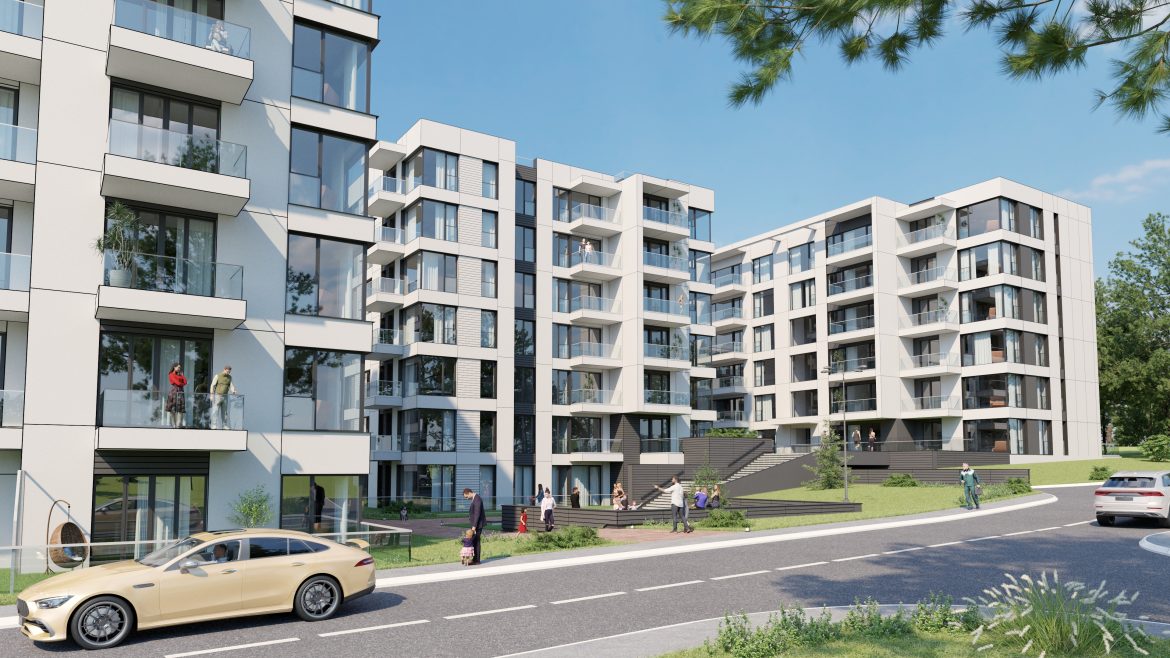
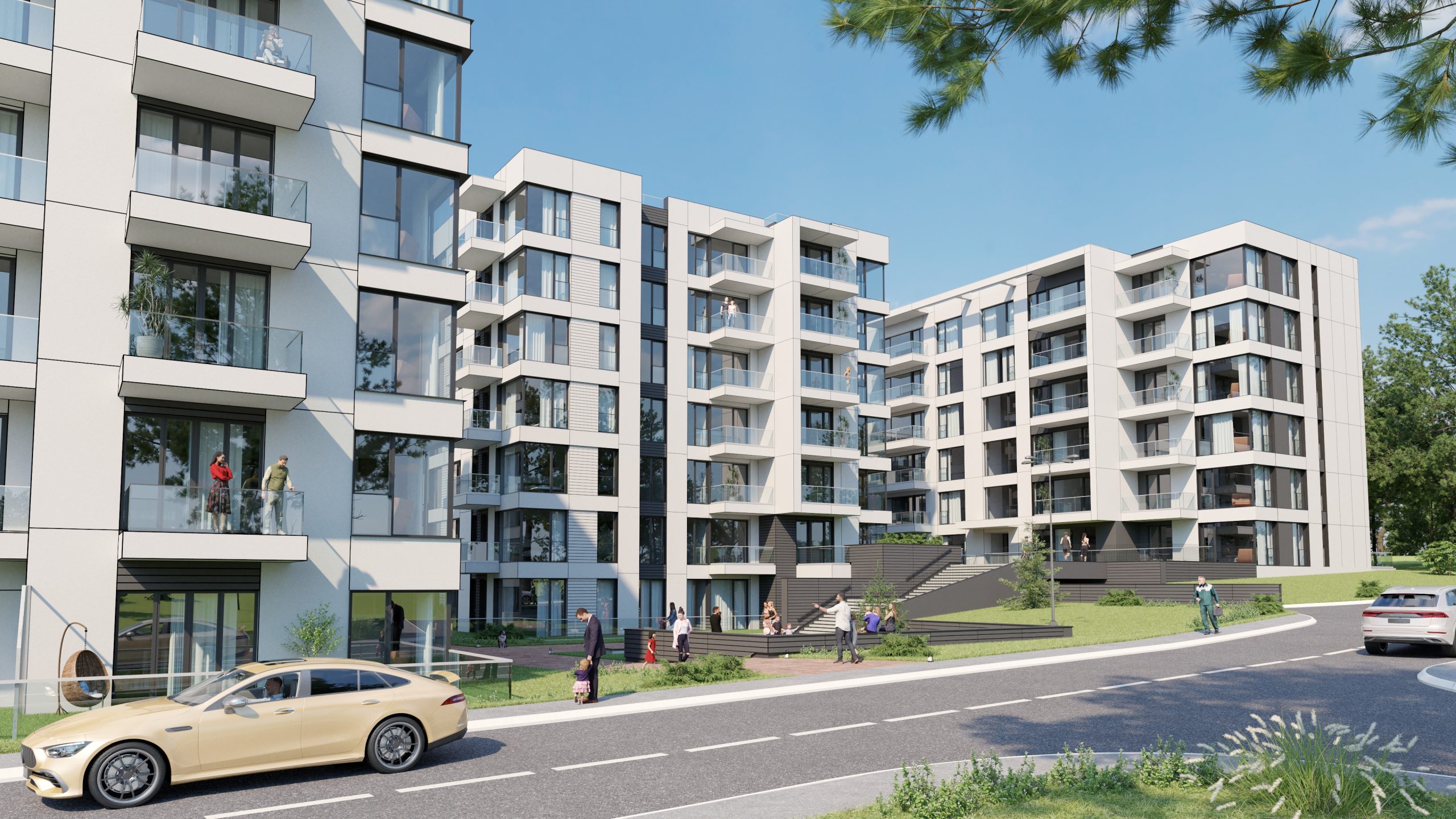
Ruxandra Dragomir, Head of Development at Nhood Services Romania, the exclusive Development , Property & Asset Management, Leasing, ESG service provider for Coresi mixed-use development by Ceetrus: “Coresi is Romania’s largest urban mixed-use regeneration project with 55,884 sqm of retail, 59,400 sqm of offices, a 4* hotel with 133 rooms, and a residential component with 2,400 finalized apartments as well as 90,000 sqm green spaces and 7,000 parking spots. Future development plans include a 10,800 sqm office building, the rehabilitation of Hangar historical building (3,000 sqm) with a gastro entertainment concept, a 20,000 sqm sports arena and a 4,000 sqm educational campus in partnership with a private school.”

A traditional manufacturing destination, Brașov consolidates its hub status

A traditional manufacturing destination, Brașov consolidates its hub status 1621 1080 ROMANIA PROPERTY CLUB

The county is the third largest industrial & logistics hub in Romania, after Timisoara and Ploiesti. Brasov enjoyed a growing modern warehousing & production market, with nearly 16% of the total 470,000 sqm stock being built in the past twelve months.

Moving forward, an additional 13,000 sqm shall be built, as Brasov is one of the few regional hubs with active construction pipelines in 2025. VGP is one of the top three dominant players that is pursuing new developments in the county.

The vacancy rate is one of the lowest in the country – just under 2%, but that is due to the non-speculative character of the region. For comparison, the vacancy rate in Bucharest-Ilfov (the region that hosts half of Romania’s modern stock) is at 5%; in Timisoara, the second-largest industrial & logistics hub, the vacancy rate stands at nearly 11%.

The take-up stood at 16,200 sqm, a significant drop compared to the previous period when jumbo deals such as the 47,000 sqm Intercars pre-lease made headlines. However, the region gave signs of steady, sustainable demand.

The asking headline rents slightly dropped from 4.5 EUR/sqm to 4.4 EUR/sqm due to the market dynamics. The county is dominated by auto and electronics producers, which are under market pressure due to economic developments. This triggered a schedule of mass layoffs and production properties put up for sale. It is to be determined whether this will have long-term consequences or if it is simply a natural transformative period.

Dana Bordei, Country Commercial Manager, VGP Romania:

“Brasov, a city with a fast economic growth, is an increasingly strong pole of attraction for national and international companies. VGP Park Brasov enjoys the fastest growth of VGP’s portfolio in Romania, reflecting the robust demand for class A spaces in the proximity of the production units located in the western part of the city.

This region is becoming increasingly attractive for new suppliers and business partners, due to the availability of a qualified workforce and the presence of rapidly developing production and distribution companies.

With the five buildings already delivered, totalling approximately 123,000 sqm, which are designed and built according to the strictest sustainability and energy efficiency standards, VGP Park Brașov is positioning itself as a reference example in sustainable real estate development.

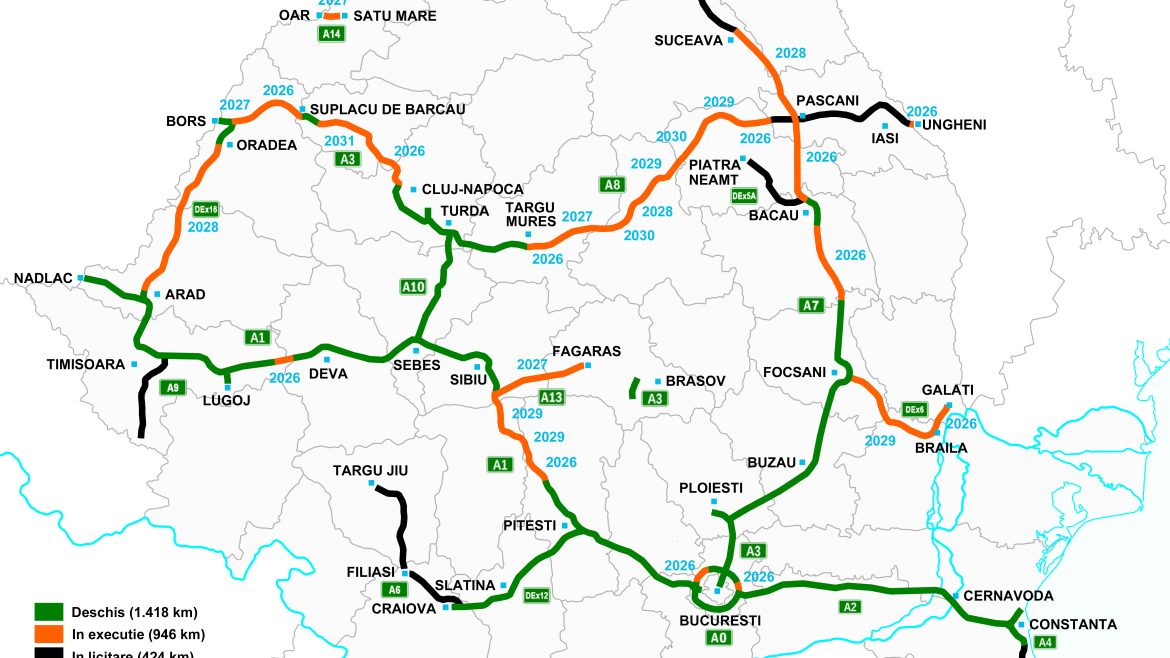
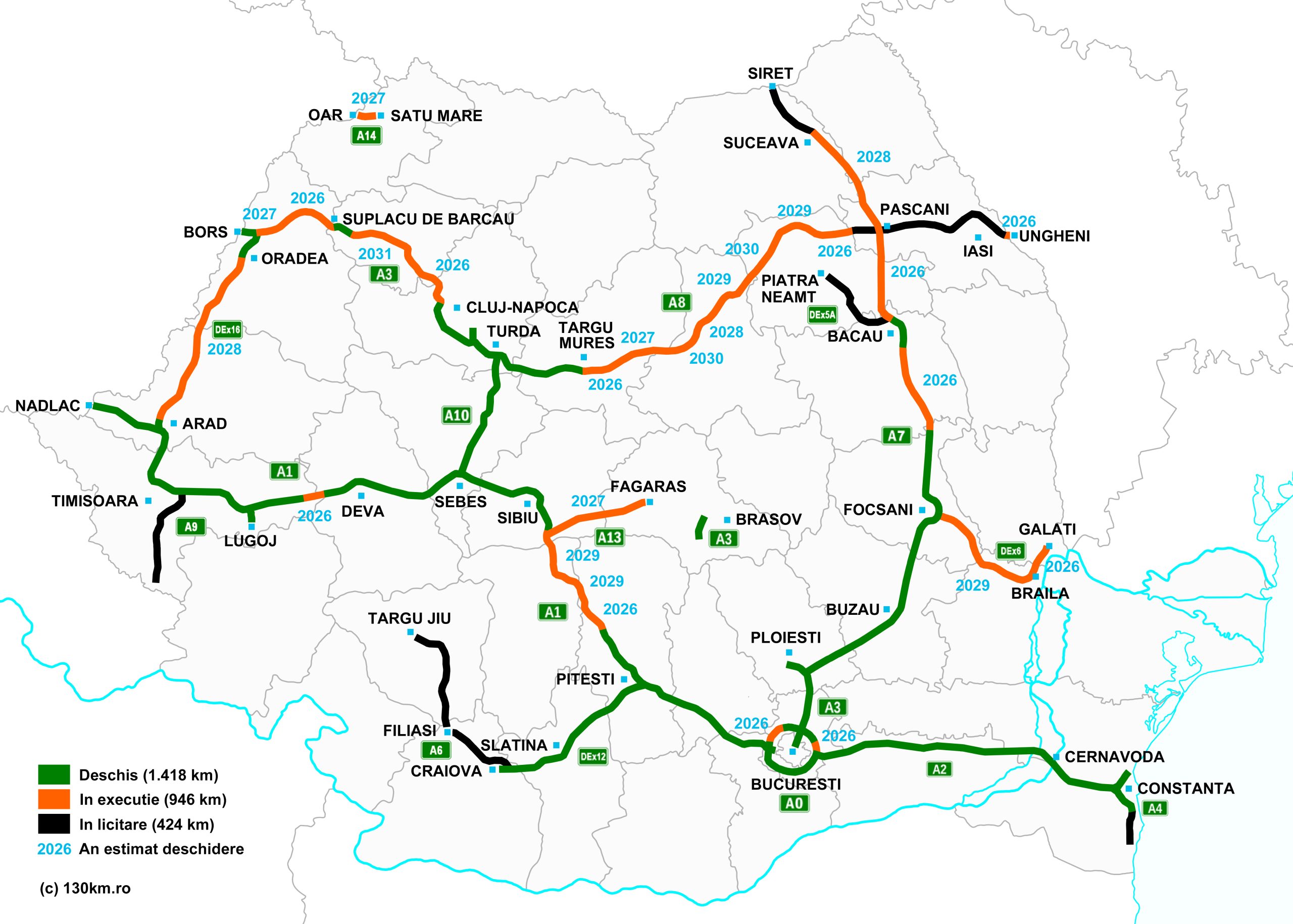
Infrastructure developments such as the Sibiu-Brasov-Bacau A13 highway shall bring new development opportunities. The Sibiu–Fagaras 70 km lot is under active construction, with works expected to be done by 2027. While the Brasov – Bacau lots are at the feasibility stage, the opening of the Sibiu-Fagaras lot will bring new development opportunities as connectivity to Western Europe is significantly improved.

Cluj-Napoca: the IT&C hub in the heart of Transylvania.

Cluj-Napoca: the IT&C hub in the heart of Transylvania. 1200 800 ROMANIA PROPERTY CLUB

In the North-Western part of the country, Cluj-Napoca is one of the most important regional cities, gathering an impressive modern stock in terms of office, logistics and retail developments. With a county population of 740.020 inhabitants, out of which 325.179 are in Cluj – Napoca, the area is a magnet for investors from various domains. The value of the average month salary is 934 EUR, the unemployment rate standing at 2.1%.

According to CBRE, the office stock in Cluj-Napoca accounts for 353,300 sqm with prime rents at 15.50 EUR and a vacancy of 8%. The total leasing activity amounted to 2,700 sqm for the first semester of 2022, with the prime yield at 8.00%. The pipeline for 2022-2023 is estimated at 55,000 sqm.  Cluj – Napoca is one of the most prestigious academic, cultural, industrial, and business centres in Romania. Among other relevant institutions, it hosts one of the largest universities in the country, the Babeş – Bolyai University.

RECORD PARK CLUJ-NAPOCA

The modern retail stock accounts for 157,600 sqm, while the retail stock density (SQM/1,000 Inhabitants) reached the level of 485. The dominant projects in the city are VIVO! with 61,000 sqm and Iulius Mall, with 57,000 sqm, part of Iulius Group. Iulius Group announced earlier in 2022 a large mixed-use scheme, on the former Carbochim platform. The project will comprise among numerous functions and facilities the largest retail area in the country (115,000 sqm). It also proposes to become a model of integrated approach to green spaces, connecting the urban garden spanning on 4-plus hectares with the adjacent parks and a complete reconfiguration of the road and pedestrian infrastructure.

IULIUS CARBOCHIM CLUJ-NAPOCA

In terms of logistics & industrial, Cluj-Napoca is part of the West/Northwest Region, an area which collects 21% of the total 5,9 million sqm national stock. The local modern logistics stock in Cluj-county is 423,000 sqm, with a vacancy rate of 6.1% and a prime rent of 4.10 EUR. Cluj is an important industrial hub, connecting Romania’s western borders with the center region, creating a great logistic pole.

LOGISTICS CLUJ-NAPOCA

CREDITS: IULIUS COMPANY / E.ON RECORD PARK / FORTIM STUDY

Timisoara: Romania’s gateway to Europe.

Timisoara: Romania’s gateway to Europe. 1200 800 ROMANIA PROPERTY CLUB

Located in the Western part of the country, Timis county is part of Romania’s main regional development hubs.

The county population gathers 760.284 inhabitants, out of which 318,296 are in Timisoara. The county’s GDP for 2021 stands at 12.4 billion EUR. The place to go through when exiting the country towards the Western Europe and the link with the Capital City through A1 highway pinpoints Timisoara as Romania’s gate to Western Europe, with excellent connectivity with Pan European corridors. Both national and international developers found Timisoara’s location, infrastructure development and the skilled labor force as great advantages for their future projects.

With a convenient location, near Hungary and Serbia borders, Timisoara benefits of good road connectivity and is Romania’s Southwestern university hub. The local office stock stands at 294,000 sqm, with prime rent at 14.5 EUR and a vacancy of 15%, according to data from CBRE Romania. Some of the key leasing transactions in H1 2022 include Atos, Access Group and Amazon at UBC 0 and 1 by Iulius.

UBC TIMISOARA

The modern retail stock accounts for 199,500 sqm, while the retail stock density (SQM/1,000 Inhabitants) reached the level of 607, as indicates data from CBRE. The city’s dominant retail projects are Iulius Mall with 93,000 sqm, part of Iulius Town mixed use scheme, in the portfolio of Iulius Group and Shopping City Timisoara with 56,900 sqm, part of NEPI Rockcastle portfolio.

IULIUS TOWN TIMISOARA

The logistic & industrial stock comprises 548,100 sqm, prime rent level is 3.85 EUR, while the vacancy rate stands at 7.4%. Timis county claims the largest share of modern industrial stock from the West & Northwestern region, hosting numerous production, logistics and storage facilities. VGP has a presence of over ten years in Timisoara, with one of the most modern industrial parks in Western Romania. The site offers six modern industrial buildings with an area of 155,000 sqm hosting tenants such as Quehenberger Logistics, Ericsson Continental, Hafele or Kathrein.

VGP TIMISOARA